How to Choose the Right Line Voltage Thermostat for Your Heating System
As homeowners increasingly seek efficient ways to manage energy use and maintain comfortable indoor environments, the importance of selecting the right line voltage thermostat for heating systems becomes paramount. According to the U.S. Department of Energy, approximately 45% of energy consumption in homes is attributed to heating and cooling. This underscores the critical role that thermostats play in optimizing energy efficiency and reducing costs. A line voltage thermostat, which directly controls electric heating systems, can significantly influence energy expenditure, making informed selection essential for both comfort and savings.
In the United States, the Energy Information Administration reports that around 90% of homes rely on some form of heating system, with many employing electric resistance heating. This makes the choice of a suitable line voltage thermostat not just a matter of convenience but a key factor in enhancing overall system performance. Factors such as compatibility with existing heating systems, ease of installation, and user-friendly features should be carefully considered. By understanding these elements, homeowners can select a line voltage thermostat that maximizes efficiency and provides the desired comfort levels, ultimately contributing to a more sustainable and cost-effective home heating strategy.
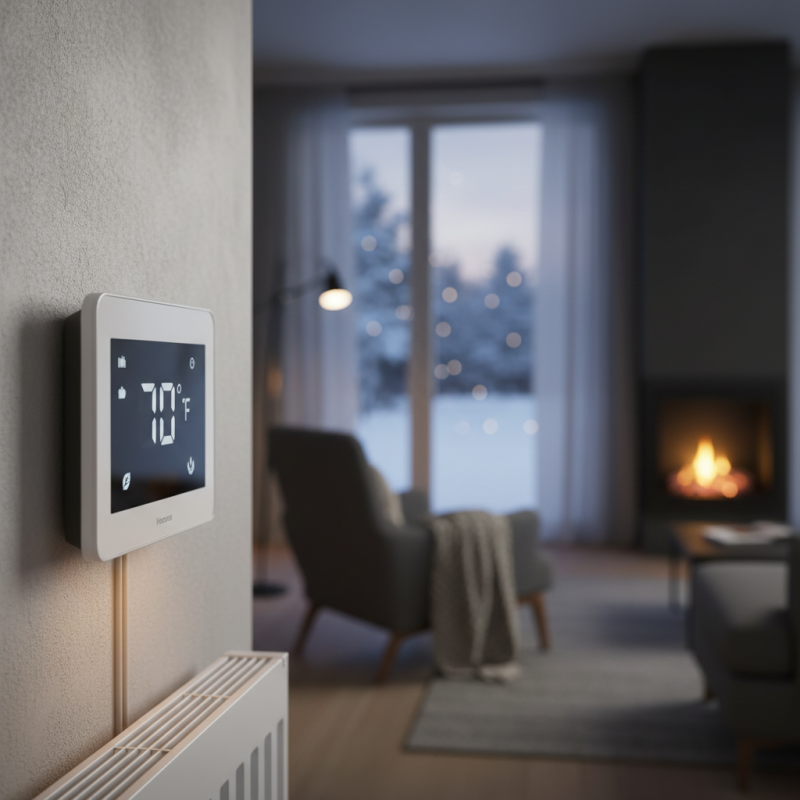
Understanding Line Voltage Thermostats: Key Features and Benefits
When selecting a line voltage thermostat for your heating system, understanding its key features and benefits is essential. Line voltage thermostats directly control the power supply to electric heating systems, making them a popular choice for baseboard heaters, radiant heating, and electric furnaces. According to recent industry reports, the market for line voltage thermostats is expected to grow significantly, reflecting an increasing demand for energy-efficient heating solutions.
One of the standout benefits of line voltage thermostats is their simplicity and effectiveness. These devices typically operate on 120V or 240V systems, enabling them to provide quick and reliable temperature control. They often come equipped with features such as programmable settings, which can optimize energy usage, potentially reducing heating costs by up to 30%, as shown in studies by the Department of Energy. Moreover, many modern models offer smart technology integration, allowing users to adjust settings remotely for enhanced convenience.
Tips for choosing the right line voltage thermostat include assessing the compatibility with your heating system, checking for energy-saving features, and considering ease of installation. Evaluate the thermostat for any additional functionalities that may cater to your lifestyle, such as Wi-Fi connectivity and programmable options. As energy efficiency becomes a focal point in home heating, selecting a thermostat that enhances both control and convenience can lead to significant savings and improved comfort levels in your living space.
Evaluating Compatibility with Different Heating Systems: A Comprehensive Guide
Choosing the right line voltage thermostat for your heating system begins with understanding the compatibility between your thermostat and the heating equipment it controls. Evaluating heating systems such as electric baseboards, forced-air systems, or radiant floor heating requires careful consideration of voltage and amperage ratings. According to the U.S. Energy Information Administration, as many as 25% of households use electric heating, making the choice of an appropriate thermostat critical for efficiency and comfort.
When assessing compatibility, it's essential to check the voltage requirements. Most line voltage thermostats operate at either 120V or 240V, which corresponds with the majority of electric heating systems. Using a thermostat that matches the voltage of your system not only ensures proper functionality but also enhances energy efficiency, leading to potential savings on your utility bills. Reports indicate that improving thermostat efficiency can reduce heating costs by up to 30% in some homes.
Tips: Always consult your heating system's manual or a professional technician to find the thermal load requirement. Additionally, consider a thermostat that offers programmable features, which allows for more precise control over your heating schedule and could lead to significant savings over time. Keeping an eye on overhaul trends and energy efficiency standards, such as those set by the Department of Energy, can also guide you toward the most compatible options for your specific heating needs.
Heating System Compatibility with Line Voltage Thermostats
Assessing Energy Efficiency Ratings for Optimal Thermostat Selection
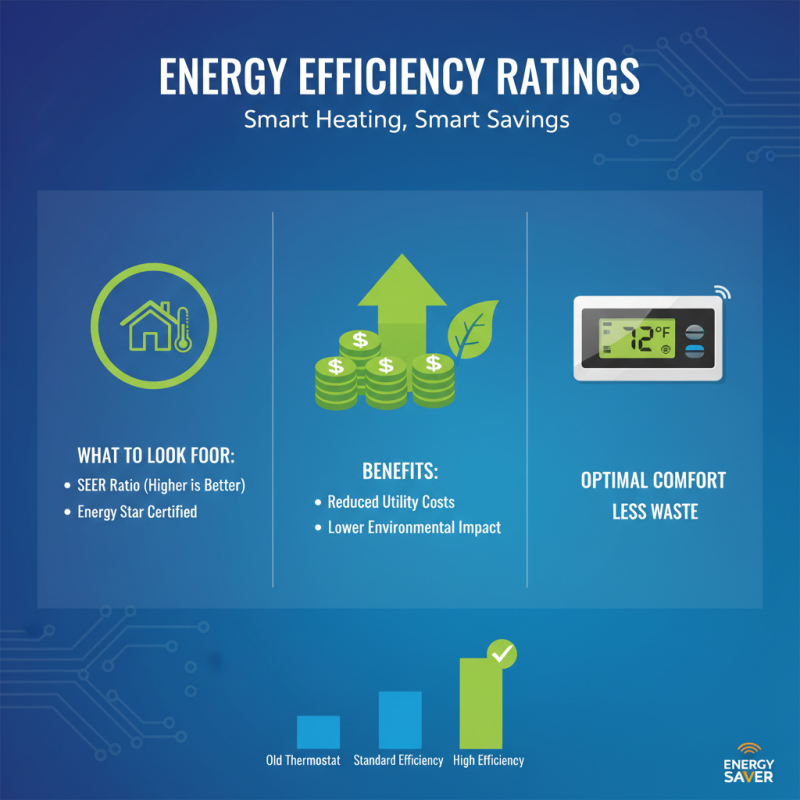
When selecting a line voltage thermostat for a heating system, understanding energy efficiency ratings is crucial for making an informed decision. These ratings provide insights into how effectively a thermostat can manage energy consumption, which ultimately influences both environmental impact and utility costs. Energy efficiency is often quantified through various metrics, such as seasonal energy efficiency ratios (SEER), which reflect the unit's ability to convert electricity into heating. A higher rating typically indicates better efficiency, allowing homeowners to achieve optimal comfort without excessive energy expenditure.
In addition to overall efficiency ratings, it is essential to consider the specific features of a thermostat that contribute to energy savings. Programmable options, for instance, enable users to set temperature schedules, reducing heating when the home is unoccupied. Smart thermostats that adapt based on user behavior can also enhance energy efficiency by learning patterns over time, adjusting temperatures accordingly. Therefore, evaluating these features alongside the energy efficiency ratings helps in selecting a thermostat that not only suits individual heating needs but also aligns with sustainable energy practices.
Installation Considerations: Safety Standards and Best Practices
When installing a line voltage thermostat for your heating system, adhering to safety standards and best practices is crucial for both functionality and safety. First and foremost, ensure that the thermostat is compatible with your specific heating system, as there may be variations in voltage requirements and wiring configurations. Thoroughly review the installation manual provided by the manufacturer, as it includes vital information on wiring and operational requirements.
**Tips:** Before starting the installation, turn off the power to your heating system at the circuit breaker. This step is essential to prevent any electrical hazards. It's also advisable to use a voltage tester to confirm there is no current running through the lines you will be working with.
Another critical aspect is properly mounting the thermostat. Place it in a location that is away from direct sunlight, drafts, or other heat sources to ensure accurate temperature readings. Following the local electrical codes and regulations is also essential to ensure compliance and safety. For additional safety, consider employing a qualified electrician for installation if you are not fully confident in handling electrical systems.
**Tips:** Always keep your thermostat accessible for future maintenance or adjustments. Regularly review the functionality of the unit, and replace it if you notice any malfunctions to maintain the efficiency of your heating system.
How to Choose the Right Line Voltage Thermostat for Your Heating System - Installation Considerations: Safety Standards and Best Practices
| Feature |
Consideration |
Best Practice |
| Voltage Rating |
Ensure compatibility with your heating system voltage (e.g., 120V, 240V). |
Verify voltage specifications in the manual of the heating system. |
| Thermostat Type |
Choose between manual, programmable, or smart thermostats. |
Select based on user lifestyle and heating needs. |
| Safety Standards |
Look for UL or ETL listings for safety compliance. |
Ensure the thermostat meets local electrical codes. |
| Installation Complexity |
Consider whether professional installation is needed. |
Use a qualified electrician for complex installations. |
| User Interface |
Evaluate digital vs. mechanical interfaces. |
Select based on ease of use and accessibility. |
| Energy Efficiency |
Check for energy-saving features and ratings. |
Consider models with adaptive programming for energy savings. |
Thermostat Programming and User Interface: Enhancing Comfort and Control
When selecting a line voltage thermostat for your heating system, the programming capabilities and user interface can significantly affect your overall comfort and energy efficiency. A thermostat that allows for detailed programming can enable users to set different temperature profiles for different times of day, which, according to the Department of Energy, can save up to 10-15% on heating costs.
Interfaces that are intuitive and user-friendly enhance the experience, allowing users to easily adjust settings without confusion.
Tips: When choosing a thermostat, look for features such as touchscreen interfaces or mobile app connectivity that allow for easy access and adjustments. Additionally, consider models that offer programmable schedules, enabling you to optimize heating times for when you are home or away.
Furthermore, energy reports indicate that the smart thermostat market is expected to continue its growth trajectory, as more homeowners are becoming conscious of energy consumption and seeking better control over their heating systems. An effective thermostat can not only improve comfort levels but also provide users with insights into their energy usage, promoting more sustainable practices.
Tips: Ensure that the thermostat you choose has a learning feature or can be integrated with smart home systems. This allows for adaptive programming based on your habits, further enhancing energy savings and comfort.