Why You Need a Workshop Heater for Winter: Benefits and Tips
As winter sets in, many workshop enthusiasts find themselves facing the chill of the season. A workshop heater is essential for maintaining a comfortable and productive working environment during the colder months. Not only does it provide warmth, but it also enhances safety, ensuring your workspace remains functional even when temperatures drop. Whether you’re working on intricate projects or simply organizing your tools, having a reliable heating solution can make a significant difference in your overall experience.
In addition to comfort, using a workshop heater can prevent potential damage to tools and materials that may be sensitive to cold weather. Wood, for example, can warp, and metals can become brittle if exposed to freezing temperatures for extended periods. By keeping your workshop warm, you protect your investments and extend their lifespan. Furthermore, a well-heated workspace can boost your motivation and creativity, making winter the perfect time to tackle those projects you’ve been putting off.
This article explores the myriad benefits of incorporating a workshop heater into your space and offers practical tips on selecting the right unit for your specific needs. Embrace the winter months by creating an inviting atmosphere that enhances both comfort and productivity in your workshop.

Understanding the Importance of a Workshop Heater During Winter
During winter, maintaining a comfortable temperature in your workshop is essential for both productivity and safety. A workshop heater plays a crucial role in creating an optimal working environment, allowing you to focus on your projects without the distraction of frigid temperatures. Cold conditions can cause materials to become brittle and tools to malfunction, while also leading to a sluggish mindset. With a reliable heater, you can ensure that your workspace remains warm and inviting, fostering creativity and efficiency in your tasks.
Moreover, a workshop heater not only contributes to physical comfort but also enhances safety. Cold weather increases the risk of slips and falls, especially if moisture condenses in the frigid air. Working in a cold space can also lead to fatigue and decreased concentration, resulting in potential accidents. By investing in a heater, you maintain a safe environment where you can tackle your projects without the worry of environmental hazards. In addition, a well-heated workshop ensures that all equipment functions properly, reducing the likelihood of damage due to extreme temperatures.
Benefits of Using a Workshop Heater in Winter
Key Benefits of Using a Workshop Heater for Your Work Environment
Having a workshop heater during winter can significantly enhance your work environment, providing a range of benefits that ensure productivity and comfort. Firstly, a workshop heater maintains a consistent and comfortable temperature, allowing you to focus on your projects without the distraction of frigid air. Cold temperatures can impair dexterity and increase the risk of injury, making it crucial to create an atmosphere that supports your physical well-being and efficiency.
Moreover, increased insulation from workshop heaters contributes to a healthier workspace by reducing moisture, which helps prevent rust and mold from forming on tools and materials. This not only prolongs the life of your equipment but also ensures that your workplace remains safe and clean. Additionally, a well-ventilated heater can improve air quality by preventing the buildup of harmful fumes, making your workshop more enjoyable and less hazardous for extended periods of use.
By investing in a workshop heater, you not only make your environment more conducive to work but also protect your valuable tools and materials throughout the winter months.
Tips for Choosing the Right Workshop Heater for Your Needs
When choosing the right workshop heater for your needs, the first factor to consider is the size of your workspace. Measure your workshop to determine the square footage and choose a heater that can effectively warm that area. Look for heaters with appropriate BTU (British Thermal Units) ratings; the higher the BTUs, the more heat a unit can produce. Additionally, consider the layout of your workshop, including insulation and the location of windows and doors, as these can affect heating efficiency.
Another important aspect is the type of heater that best suits your workspace activities. If you require portable heat, opt for electric or propane heaters that can be easily moved around. For stationary workspaces where consistent heating is essential, a fixed heater might be ideal. Always prioritize safety features such as automatic shut-off mechanisms and overheat protection, especially if you’ll be using the heater for extended periods. By evaluating your specific needs and workspace conditions, you can select a heater that maximizes comfort and efficiency during the colder months.
Why You Need a Workshop Heater for Winter: Benefits and Tips
| Feature |
Description |
Benefits |
Tips |
| Heating Capacity |
The amount of space the heater can warm effectively. |
Ensures comfortable working conditions during winter. |
Choose a heater with a capacity suitable for your workshop size. |
| Energy Efficiency |
The ratio of heat output to energy consumed. |
Reduces energy costs while maintaining warmth. |
Look for models with high energy ratings. |
| Portability |
Ease of moving the heater as needed. |
Allows for versatile placement and use. |
Choose lightweight models with wheels or handles. |
| Safety Features |
Includes automatic shut-off, tip-over protection, etc. |
Provides peace of mind and prevents accidents. |
Check for heaters with sufficient safety certifications. |
| Noise Level |
Sound produced during operation. |
Minimizes distractions and enhances comfort. |
Opt for quieter models if noise is a concern. |
Safety Precautions to Consider When Using a Workshop Heater
When using a workshop heater during the winter months, safety should be a top priority to prevent accidents and ensure a comfortable working environment. First and foremost, it is crucial to position the heater away from flammable materials such as wood, paper, and fabrics. This distance is essential to mitigate the risk of fire hazards, which can escalate rapidly in enclosed spaces filled with equipment and supplies. Additionally, a stable surface should be used to set the heater to avoid tipping, especially if it is portable.
While heaters are designed for efficiency, ensuring proper ventilation in the workshop is vital. Many heaters can produce harmful gases or reduce oxygen levels in an enclosed space, creating a dangerous environment. Using a heater in a well-ventilated area helps maintain air quality and reduces the risk of carbon monoxide buildup. Furthermore, if your heater is electric, checking the cords and connections for wear and tear is essential to prevent electrical fires. Regular maintenance and inspection of the heater's functionality can go a long way in ensuring safe operation, allowing for a productive and warm winter in your workshop.
Maintaining Your Workshop Heater for Optimal Performance
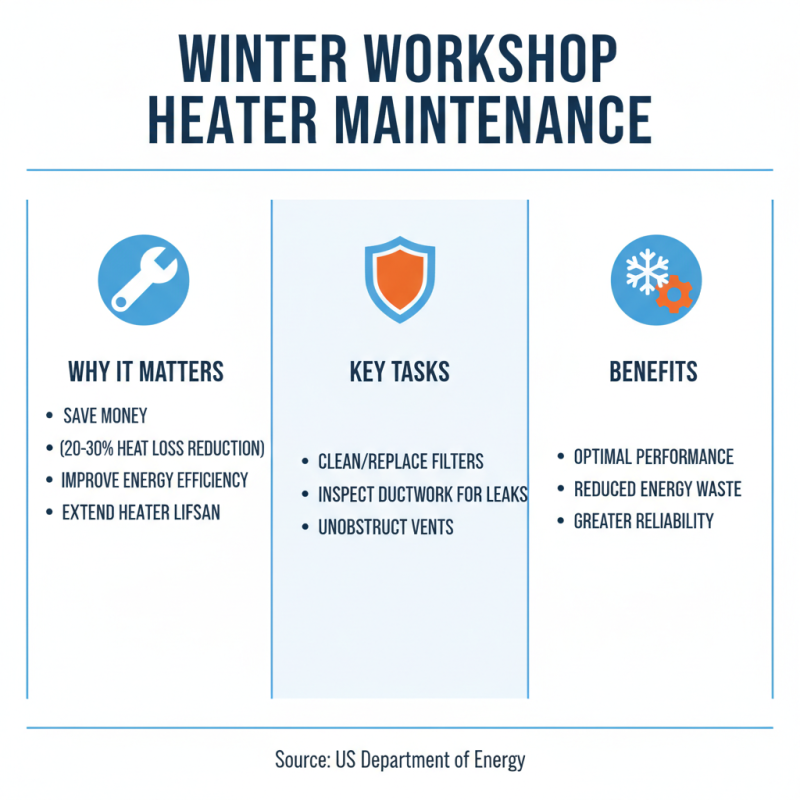
To ensure your workshop heater operates at its best during the frigid winter months, routine maintenance is essential. According to the U.S. Department of Energy, approximately 20-30% of a workshop's heat loss occurs due to inefficient heating systems. Regularly servicing your heater helps mitigate this loss, improving energy efficiency and extending the lifespan of the unit. Simple tasks such as cleaning or replacing filters, inspecting ductwork for leaks, and ensuring that vents are unobstructed can lead to significant performance improvements.
Another critical aspect of maintaining your workshop heater is the periodic check of safety features. For instance, the National Fire Protection Association reports that malfunctioning heating equipment is a leading cause of fires in workshop environments. Ensuring that safety shut-off mechanisms and thermostats are functioning correctly not only enhances the reliability of your heater but also protects your workspace. By taking these maintenance steps, you ensure optimal performance while keeping your workshop safe and warm throughout the winter months.