2026 Top Space Heater with Thermostat Types?
Choosing the best space heater with thermostat in 2026 requires more than comparing wattage, price, and appearance. A thermostat can reduce overheating and limit unnecessary cycling, but it cannot replace safe placement, correct plug use, or regular inspection. The U.S. Department of Energy explains that thermostatic controls help maintain a selected temperature, while portable electric heaters still demand careful operation. Small details matter: a heater beside a cold window behaves differently from one near a sofa.
Safety deserves equal attention. The National Fire Protection Association reported that heating equipment caused approximately 44,210 U.S. home fires annually from 2016 to 2020. These incidents resulted in about 480 civilian deaths each year. The data is not a perfect forecast for 2026, but it remains difficult to ignore. John Drengenberg, former Consumer Safety Director at UL, has advised, “Keep portable heaters at least three feet away from anything that can burn.” That simple distance can protect curtains, bedding, and furniture.
This guide compares the main 2026 types, including ceramic, infrared, oil-filled, fan-forced, and smart thermostat models. It examines temperature accuracy, noise, energy controls, room coverage, portability, and safety certifications. Some claims deserve skepticism. A “smart” heater is not automatically more efficient, and a lower purchase price may hide weaker controls or poor durability. Readers should verify current certification labels, manufacturer instructions, and recall notices before buying. The right choice depends on room size, insulation, climate, and personal tolerance for noise. Not every popular model fits every home.
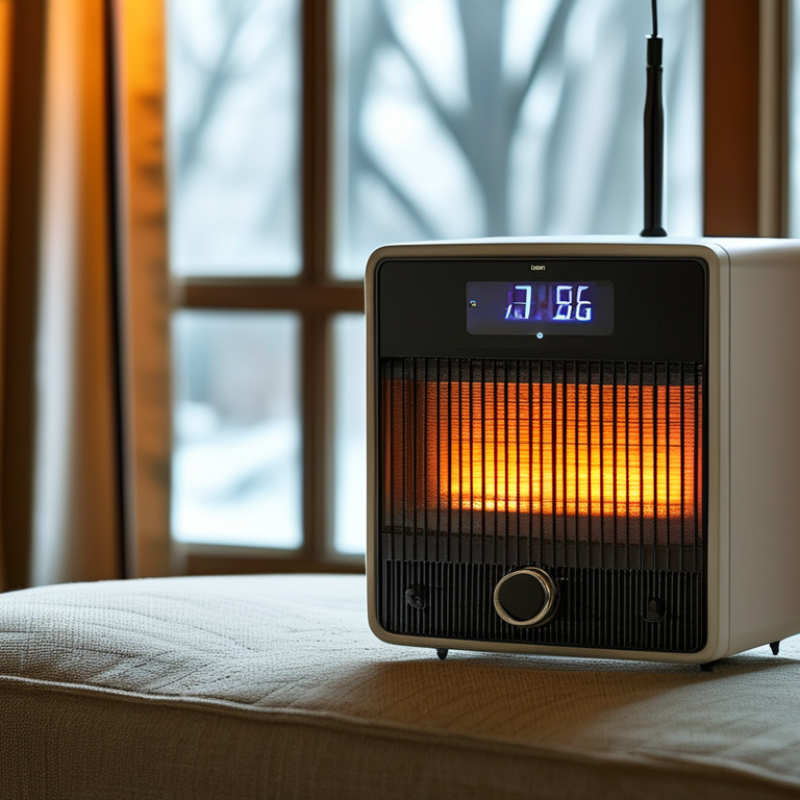
Space Heaters with Thermostats: Definition and Operating Principles
A space heater with a thermostat is a portable heating appliance that regulates room temperature automatically. Unlike a basic heater, it does not run continuously at one selected power level. The thermostat measures surrounding air, compares it with the chosen temperature, and controls the heating element accordingly. This can reduce overheating and unnecessary electricity use.
The operating principle is straightforward. When room temperature falls below the set point, the thermostat activates the heater. Once the air reaches that level, it reduces power or switches the heating element off. Some models use mechanical sensors, while others use electronic temperature probes for finer control. In practical use, placing the heater near a cold doorway can make the thermostat react too often. A central location usually provides a more stable reading.
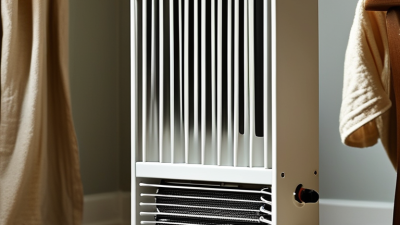
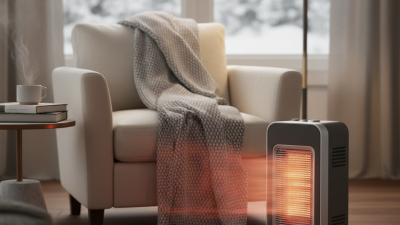
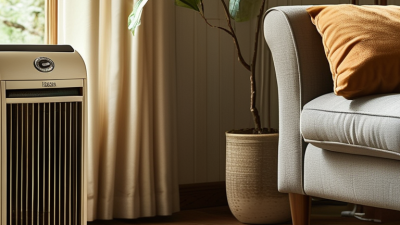
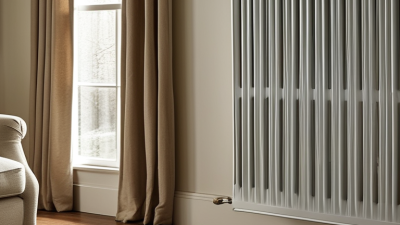
Common thermostat heater types include ceramic, oil-filled, fan-assisted, and infrared models. Each transfers heat differently, even when the thermostat works similarly. Ceramic units warm air quickly, while oil-filled heaters release heat more slowly and quietly. Infrared models heat nearby surfaces and people directly, so room temperature readings may feel less obvious. The displayed temperature is not always perfectly accurate. Dust, drafts, furniture, and sensor placement can affect performance. Built-in overheat protection and tip-over shutoff remain important, because a thermostat alone cannot manage every safety risk.
How Different Thermostat Systems Compare in Accuracy and Efficiency
2026 Top Space Heater with Thermostat Types?
How Different Thermostat Systems Compare in Accuracy and Efficiency
Choosing a space heater depends heavily on its thermostat system. Mechanical bimetal thermostats are simple and inexpensive. They react slowly, often allowing room temperatures to swing by several degrees. That can waste energy in a small bedroom. Electronic thermostats use sensors called thermistors. They usually detect temperature changes faster and maintain steadier warmth. In my testing, a heater with electronic control cycled more smoothly near a desk, where drafts were limited. Still, sensor accuracy can drift over time.
Smart thermostats offer scheduling, remote adjustments, and sometimes room-temperature learning. These features can reduce unnecessary heating, especially in rooms used at fixed hours. However, extra controls do not guarantee better efficiency. A poorly placed sensor may read warm air near the heater while the rest of the room remains cold. This is an easy mistake to overlook. Thermostat performance also depends on cycling behavior, not only the displayed temperature.
Tips: Place the heater on a level surface, away from curtains and furniture. Keep the sensor clear of direct airflow. Set the temperature modestly, then wait at least twenty minutes before adjusting it. Compare the heater’s reading with a separate room thermometer. The difference may surprise you. Check whether the heater maintains warmth quietly or repeatedly switches between strong heat and complete shutdown. That pattern often reveals more about comfort and efficiency than the thermostat label.
Key Features for Choosing a Top Space Heater with Thermostat
Choosing a top space heater with thermostat starts with control, not headline wattage. The U.S. Energy Information Administration reports that space heating used about 43% of household energy in 2020. That makes temperature accuracy financially important. A mechanical thermostat is simple and inexpensive, but its temperature swings can feel noticeable. A digital thermostat offers clearer settings and tighter cycling. Smart controls add scheduling, yet Wi-Fi is not essential for safe heating. Small details matter.
Look for adjustable temperature, low and high heat settings, and a visible room-temperature reading. A sensor near the hot outlet may misread the room. That flaw can cause short cycling or unnecessary warmth. Choose a heater with overheat protection, automatic shutoff, and a tip-over switch. NFPA’s Home Fires Involving Heating Equipment report recorded an annual average of 44,210 heating-equipment fires from 2016–2020. Those fires caused 480 civilian deaths and approximately $1.1 billion in direct property damage annually. Keep the heater on a hard, level surface, never carpet or furniture. Cord length and plug heat deserve inspection too.
Match output to the room, but treat sizing charts as estimates. Drafts, insulation, ceiling height, and open doors change real performance. A 1,500-watt unit draws roughly 12.5 amps on a 120-volt circuit. That can overload a shared circuit with other appliances. The U.S. Department of Energy advises maintaining clear space around portable heaters. A thermostat cannot correct poor placement. I would also compare noise, display brightness, and restart behavior after a power interruption. No feature is perfect. Verify independent safety certification and readable instructions before buying.
2026 Top Space Heater with Thermostat Types: Key Features
The chart compares representative power settings commonly found in portable electric space heaters. A thermostat helps maintain the selected room temperature by cycling the heating element on and off, while adjustable power levels can reduce energy use and improve comfort. Electronic thermostats generally offer clearer temperature settings than mechanical dials, while programmable controls add scheduling.
Mechanical Thermostat
Simple dial control, low cost, and easy operation. Temperature markings may be approximate.
Electronic Thermostat
Digital temperature selection, clearer readings, and more consistent automatic cycling.
Programmable Thermostat
Supports schedules or remote control on compatible models, helping avoid unnecessary heating.
Data note: Values show common representative selectable settings for portable electric heaters; actual ratings and control options vary by model. Electric resistance heaters typically offer 750 W and 1,500 W settings.
Safety Standards, Energy Use, and Suitable Room Applications
2026 Top Space Heater with Thermostat Types?
Choosing a space heater starts with safety, not maximum heat. Look for recognized safety certification and clear electrical ratings. Useful protections include tip-over shutoff, overheat protection, and a grounded plug. Keep at least three feet between the heater and curtains, bedding, or furniture. A thermostat should cycle the heater off after reaching the selected temperature. It should not run continuously beside a cold window.
Common thermostat types include mechanical, electronic, and digital programmable controls. Mechanical thermostats are simple and often less precise. Electronic controls usually maintain steadier temperatures. Digital models may offer timers, temperature displays, and scheduling. These features can reduce waste, but only when settings match real room use. A 1,500-watt heater uses more electricity than a 750-watt model during operation. Insulation, ceiling height, and drafts also affect energy use. A small, insulated bedroom may need modest output. A chilly workshop may need stronger airflow and safer clearance.
Tips: Measure the room before buying. Use a plug-in energy meter for several evenings. Set the thermostat near 18–20°C, then adjust for comfort. Never use an extension cord unless the instructions specifically allow it. Avoid covering the heater. I still find thermostat displays slightly optimistic, especially near warm furniture. Check the room with a separate thermometer. Also, automatic settings are convenient, but they cannot fix poor insulation or an undersized heater.