What is an Airport Fence and Why is it Important?
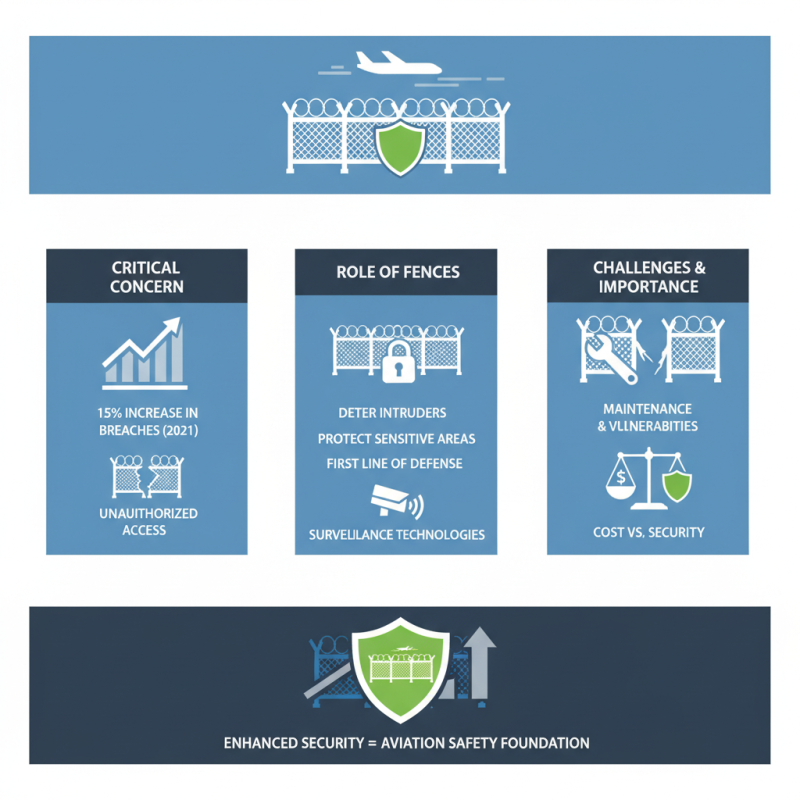
Airport security is a critical concern in today's aviation industry. An airport fence plays a vital role in ensuring safety and security at airports. According to the International Civil Aviation Organization (ICAO), unauthorized access to airport facilities can lead to serious incidents. In 2021, security breaches increased by 15%, highlighting the need for effective barriers.
airport fences are designed to deter intruders and protect sensitive areas. They serve as the first line of defense against potential threats. A well-constructed airport fence can significantly reduce access points. The Federal Aviation Administration (FAA) has set standards for these fences, emphasizing their importance in protecting public safety. A robust fence system is often equipped with surveillance technologies.
However, challenges remain in enforcing security measures. Some fences can be breached if not properly maintained. This calls for ongoing assessments to address vulnerabilities. Moreover, not all airports prioritize investment in fence upgrades. Balancing cost and security effectiveness is a constant tension in the industry. The need for enhanced airport fences cannot be overstated. It is a foundational element in the broader context of aviation safety.
What is an Airport Fence?
An airport fence is a physical barrier around an airport. It serves multiple purposes. Primarily, it controls access to the airside of the airport. This area includes runways, taxiways, and aircraft. The fence helps secure these zones from unauthorized personnel and animals.
Airport fences vary in design, height, and materials. Commonly, they are made from chain-link or barbed wire. These materials are effective at deterring intrusions. However, fences alone are not foolproof. Some areas may have gaps or weaknesses that need frequent inspection. Security measures should not stop at the fence line.
The importance of an airport fence goes beyond security. It provides a sense of order. Travelers feel safer knowing there are barriers in place. Yet, these fences can also create a false sense of security. Enhanced training for security staff and improved surveillance systems are necessary. Regular assessments should ensure that the fencing remains effective. Balancing security with accessibility is challenging yet essential for airport operations.
Airport Fence Importance Overview
Key Functions of Airport Fences
Airport fences are crucial for the overall safety and security of air travel. Their primary function is to create a secure perimeter around the airport, preventing unauthorized access. According to the International Civil Aviation Organization (ICAO), over 80% of airport security breaches occur at the perimeter. An effective fence minimizes these risks significantly.
Beyond just security, airport fences also help control wildlife interactions. Airports that experience wildlife strikes, like birds, can face severe consequences. Reports indicate that nearly 14,000 wildlife strikes are reported annually in the U.S. alone, costing billions in damages. By keeping wildlife at bay, airport fences contribute directly to flight safety.
Tip: Regular maintenance of airport fences is essential. Check for holes or wear regularly. An unmaintained fence can become a liability.
In specific airports, unique challenges exist. Adapting the fence design to suit local landscapes is vital. For instance, a mountainous area may require taller fences to deter climbing animals. Yet, these adaptations must balance cost and practicality. Managers often struggle to justify expenditures against strict budget constraints.
Tip: Evaluate costs versus benefits when upgrading. Sometimes, an inexpensive fix can provide adequate protection. Reassessing needs regularly can lead to smarter investments.
Types of Airport Fencing Materials
Airport fencing is essential for security and safety. Various materials are used for constructing these fences, each with its own strengths. Chain link fencing is common. It is affordable and allows visibility. However, it's not the most secure option. With enough force, intruders can breach it.
Another type is welded wire fencing. This option is sturdier than chain link. Its design makes it difficult to climb or cut. Some airports prefer this material for added protection. The cost is higher, but the durability often justifies it.
Electric fencing has gained popularity too. It offers a significant deterrent. The shock it delivers can prevent trespassers. Yet, it requires careful management. Maintenance is crucial to ensure it functions correctly. Airports must balance cost and effectiveness when choosing fencing materials.
What is an Airport Fence and Why is it Important? - Types of Airport Fencing Materials
| Fencing Material | Strength | Durability | Maintenance | Cost |
| Chain Link Fencing | Medium | Low | Low | $10-$20 per foot |
| PVC Coated Fencing | Medium | Medium | Medium | $15-$25 per foot |
| Paladin Security Fencing | High | High | Low | $30-$50 per foot |
| Welded Wire Fencing | High | High | Medium | $20-$35 per foot |
| Electric Fencing | Very High | Medium | High | $40-$70 per foot |
Safety and Security Risks Addressed by Airport Fences
Airport fences serve as crucial barriers that help in managing safety and security risks. They can effectively deter unauthorized access, thus protecting airport facilities and passengers. According to a report by the Transportation Security Administration, securing the perimeter of airports reduces the risk of potential threats significantly.
Many airports are following best practices by implementing high-security fencing standards. For instance, fences that reach 8 to 12 feet in height, complemented by barbed wire or razor wire, can effectively ward off intruders. This not only enhances physical security but also builds public confidence in airport operations. The same TSA report suggests that 50% of security breaches occur at the perimeter, highlighting the fence's role.
Tip: Regular maintenance of airport fences is essential. Damaged sections can be weak points that compromise safety.
Despite the advancements in fencing technology, challenges remain. Not all airports can afford high-tech solutions. Some rely on traditional methods, leaving gaps. This can lead to vulnerabilities that demand regular assessments to mitigate risks.
Tip: Conduct a perimeter audit annually. This can help identify areas needing updates and improvements.
Regulations and Standards for Airport Fencing Systems
Airport fencing systems play a crucial role in maintaining security and safety. They serve as a physical barrier that protects airport perimeters. This helps to prevent unauthorized access to runways and critical infrastructure. A well-constructed fence can deter intruders effectively. The design must also consider visibility for surveillance purposes.
Regulations governing airport fencing systems vary by region. These often outline specifications such as height, materials, and type of surveillance integration. For instance, some airports must implement barbed wire at the top of fences. This adds an extra layer of security. It is essential to follow these standards diligently. Non-compliance can lead to vulnerabilities.
However, ensuring proper installation and maintenance can be challenging. Weather conditions and wear over time might compromise fence integrity. Regular inspections are necessary to identify any weaknesses. It's easy to overlook these aspects, but they are vital for maintaining safety. Stakeholders must prioritize these concerns while complying with regulations. Only then can airport fencing serve its intended purpose effectively.