Ultimate Guide to Assorted Hex Bolts Buying Tips?
In the realm of construction and engineering, the demand for assorted hex bolts is on the rise. According to a recent market analysis by Grand View Research, the global fasteners market, which includes hex bolts, is expected to reach USD 110.36 billion by 2025. This growth highlights the importance of understanding the various types and applications of assorted hex bolts to ensure quality and efficiency in projects.
Choosing the right assorted hex bolts can seem overwhelming. There are numerous grades, coatings, and specifications to consider. Industry experts emphasize the significance of selecting bolts that meet specific project requirements. According to the Fastener Industry Study, approximately 60% of failures in fastening applications can be traced back to improper selection of fasteners, including hex bolts.
It is essential to research and understand the subtle differences in thread types, lengths, and materials. Such details can greatly affect the longevity and reliability of a structure. In an often-overlooked aspect, buyers should also consider sourcing from reputable manufacturers to avoid potential quality issues. Reflecting on these points can lead to better outcomes in construction and manufacturing projects involving assorted hex bolts.
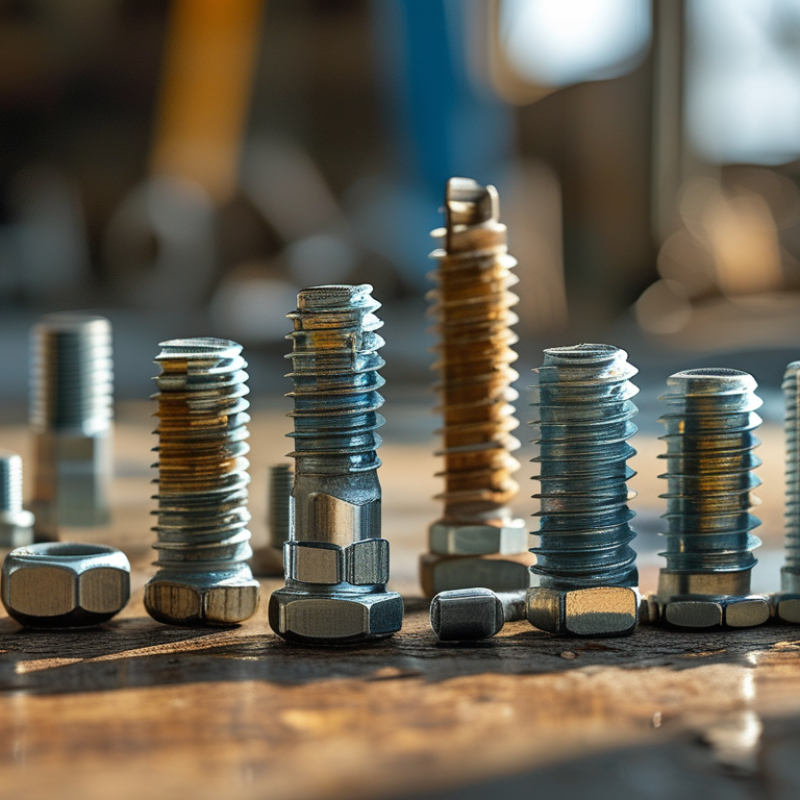
Understanding Hex Bolts: Types and Applications
Hex bolts are essential components in various industries. They come in different types, each designed for specific applications. Commonly, you'll find standard hex bolts, flange bolts, and structural bolts. Understanding these options helps you choose the right one for your project.
Standard hex bolts are versatile. They are used in machinery and construction. Flange bolts have a built-in washer, distributing the load more evenly. This feature is crucial for stability. Structural bolts are designed for high-stress environments, often found in bridges and buildings.
Choosing the appropriate bolt requires attention to detail. Consider the material, coating, and strength grade. Stainless steel offers corrosion resistance, while galvanized options are cost-effective for outdoor use. Be wary of over-tightening, which can lead to failure. Each project provides an opportunity to refine your choice. Taking time to understand your requirements will ensure a successful outcome.
Key Factors to Consider When Buying Hex Bolts
When buying hex bolts, several key factors deserve your attention. The material is crucial. Options include steel, stainless steel, or alloy materials, each with distinct properties. Steel offers strength, while stainless steel resists corrosion. Choose based on your project’s environment and requirements.
Consider the size and thread type as well. Hex bolts come in various lengths and diameters. Ensure you measure accurately for compatibility with your components. Coarse threads provide greater holding power in softer materials, while fine threads allow for more precise adjustments. Overlooking these aspects can lead to unstable connections.
Availability of a reliable supplier is another factor. Check for quality certifications and reviews. Sourcing from established providers typically yields higher confidence in bolt integrity. You may find it tempting to choose the cheapest option, but this can compromise quality. A penny saved might cost more in the long run.
Assessing your project needs and constraints, such as load-bearing requirements and environmental conditions, will guide your selection. It's essential to choose bolts that not only fit but also perform well over time. Your investment in the right hex bolts ensures durability and safety in your projects.
Materials and Coatings: Selecting the Right Hex Bolt
When selecting the right hex bolt, material and coating choices are critical. A report by the Fastener Industry Coalition found that over 70% of fastener failures can be traced back to improper selection of materials. Steel, stainless steel, and alloys are common materials. Each has its own strengths and weaknesses. Steel bolts offer high tensile strength, while stainless steel resists corrosion, making it ideal for outdoor use. However, stainless steel can be more expensive.
Coatings are equally important. Zinc plating is a popular choice, providing basic corrosion resistance. However, it may not hold up in harsh environments. According to data from the Industrial Fasteners Institute, hot-dip galvanizing offers better durability and is recommended for outdoor structures. Other coatings, such as epoxy and nylon, can serve specialized functions, improving resistance against chemical exposure.
It is essential to consider the specific application before making a decision. Incorrectly choosing materials or coatings can lead to premature failures and increased costs. Collecting detailed information on project requirements and environmental conditions is essential. Reflecting on past experiences can guide better future choices. Each application has unique needs, and understanding these nuances can significantly enhance the performance of hex bolts.
Size and Thread Specifications for Hex Bolts
When purchasing hex bolts, understanding size and thread specifications is crucial. Hex bolts come in various dimensions. The diameter, length, and thread pitch must match your project's requirements. Check if you need coarse or fine threads, as this can affect load-bearing capacity.
Choosing the right size can prevent structural failures. A bolt that is too small may bend, while one that is too large can cause misalignment. Ensure to measure the hole you are fastening to so that the bolt fits snugly.
Consider the material of the hex bolts as well. Different materials provide various levels of strength and corrosion resistance. Stainless steel is often used for outdoor projects due to its durability. Always refer to a reliable chart for precise specifications. That way, you minimize the risk of choosing the wrong bolts. A thoughtful approach ensures better operational safety and performance.
Comparing Cost and Quality: Making an Informed Purchase Decision
When purchasing assorted hex bolts, understanding cost versus quality is essential. The price of hex bolts can vary widely. A report from the Fastener Industry Association indicates that low-cost bolts may save money initially but lead to higher long-term costs. Inferior materials can cause failures, resulting in repairs and downtime.
Quality hex bolts are manufactured from steel that meets specific standards. For instance, ASTM specifications detail the necessary mechanical properties and tolerances. High-quality bolts often undergo rigorous testing, reflected in their price. Experts suggest that spending a little more now can minimize future expenses. However, some buyers opt for cheaper alternatives without considering the potential risks involved.
It’s also important to assess the supplier’s reliability. Not every seller has the same commitment to quality control. Data shows that approximately 15% of fastener failures result from poorly manufactured products. Asking for certifications or test results can help ensure the bolts you buy are dependable. Ignoring these factors can lead to costly mistakes. Your choice of hex bolts should be informed, balancing immediate budget constraints with long-term performance.