What is a Baseboard Heater and How Does It Work?
A baseboard heater is a common heating system found in many homes. It works by warming the air in a room and distributing it evenly along the walls. This type of heater is typically installed along the bottom of the walls. It provides a consistent and reliable source of heat during cold months.
Understanding how a baseboard heater works can help you make informed decisions about home heating. Most models operate using either electricity or hot water. They are efficient, utilizing convection to circulate warm air. However, not all baseboard heaters are created equal. Some may require regular maintenance to ensure they operate effectively.
It’s essential to consider factors like design and placement when installing a baseboard heater. Poor placement can lead to uneven heating or increased energy costs. Choosing the right model and understanding its operation can result in a comfortable living environment. While they are effective, users often overlook the occasional need for cleaning or adjustments. These considerations are crucial for the long-term performance of your baseboard heating system.
What is a Baseboard Heater?
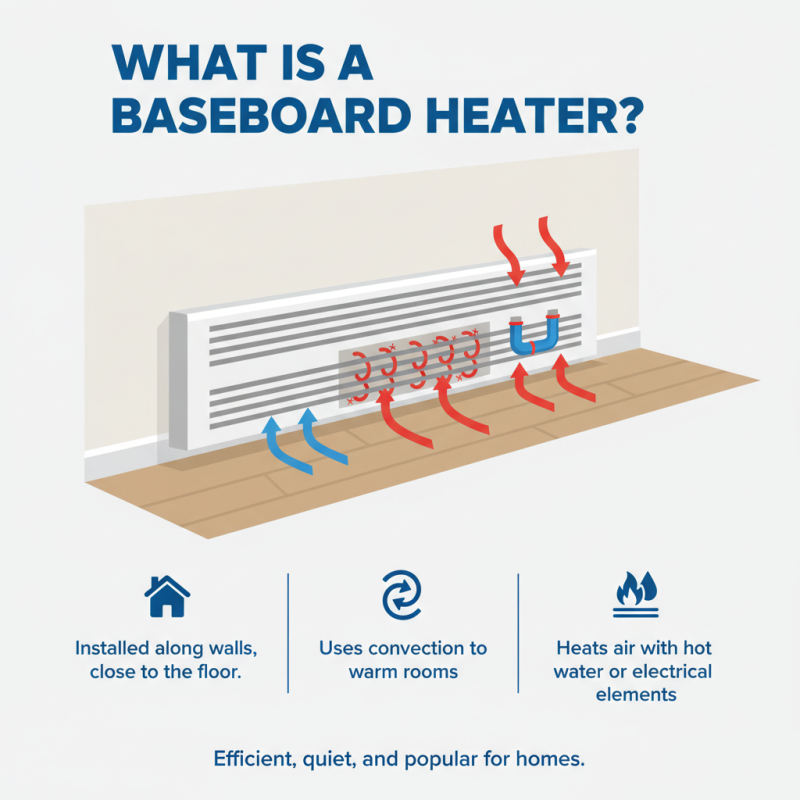
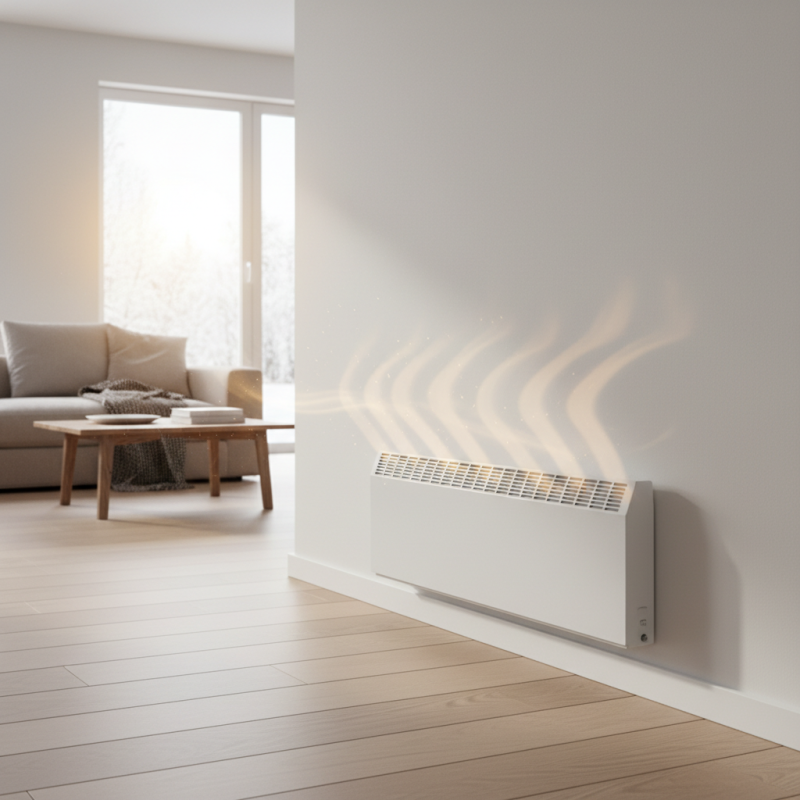
Baseboard heaters are a popular heating solution for homes. They are usually installed along the walls, close to the floor. These heaters use convection to warm up a room. When air enters the heater, it gets warmed by hot water or electrical elements. As the air heats up, it rises, allowing cooler air to flow in. This creates a natural circulation of warm air throughout the space.
These heaters come in various styles. Some are electric, while others use hot water from a boiler system. Electric baseboard heaters can be easy to install, but they may lead to higher energy bills. On the other hand, water-based heaters usually connect to an existing plumbing system. They may offer better efficiency but can require more maintenance.
While effective, baseboard heaters may not be the best choice for every situation. For larger rooms, they might not distribute heat evenly. Over time, dust can accumulate in the heaters, affecting performance. Regular cleaning is necessary to ensure optimal operation. Homeowners should carefully consider these factors when deciding on a heating system.
Types of Baseboard Heaters Explained
Baseboard heaters are commonly used in residential heating. They can be categorized into two main types: electric and hydronic. Electric baseboard heaters are ideal for spaces without ductwork. They convert electrical energy into heat, directly warming the room. According to the U.S. Department of Energy, they can be over 99% efficient in converting energy into heat.
Hydronic baseboard heaters rely on hot water circulating through pipes. This system is often connected to a boiler. The heat is then released through the baseboard units. Studies indicate that hydronic systems provide more consistent warmth. They maintain temperatures more evenly than electric models. However, installation can be complex and costlier.
In terms of usage, electric baseboards are more straightforward. There is no need for extensive installation work beyond mounting the units. Despite this, their efficiency can be impacted in very cold climates. Hydronic systems, while effective, require maintenance to ensure the boiler and pipes operate correctly. Owners must weigh the pros and cons of each type based on their specific needs. Understanding these differences can lead to better heating performance and comfort in the long run.
What is a Baseboard Heater and How Does It Work? - Types of Baseboard Heaters Explained
| Type of Baseboard Heater |
Heating Method |
Energy Source |
Efficiency Rating |
Ideal Use |
| Electric Baseboard Heater |
Convection Heating |
Electricity |
High Efficiency |
Individual Room Heating |
| Hot Water Baseboard Heater |
Hydronic Heating |
Natural Gas, Oil, or Electric |
Moderate Efficiency |
Whole House Heating |
| Steam Baseboard Heater |
Radiative Heating |
Natural Gas, Propane, or Oil |
Lower Efficiency |
Older Homes with Steam Systems |
| Bimetal Baseboard Heater |
Convection Heating |
Electricity |
High Efficiency |
Versatile Heating Solutions |
How Baseboard Heaters Function
Baseboard heaters are a popular choice for home heating. They operate by using convection to distribute warm air throughout a room. When the heater is turned on, it warms the air close to the unit. This warm air rises, creating a natural flow that pulls cooler air into the heater. The cycle continues, maintaining a cozy temperature.
Baseboard heaters come in two types: hydronic and electric. Hydronic units use hot water circulated through pipes, while electric models heat metal fins with electricity. Both types require regular maintenance to ensure efficiency. It’s essential to keep them clean and check for clogs or leaks. A dirty heater can impede performance, leading to uneven heating.
While they provide warmth, the placement of baseboard heaters often sparks debate. Installing them in the wrong spot can block airflow and reduce effectiveness. Homeowners may also find that adjusting the thermostat can be tricky. Too many fluctuations can create discomfort and higher energy bills. Evaluating their function and adjusting as needed is vital for optimal use.
Installation Process for Baseboard Heaters
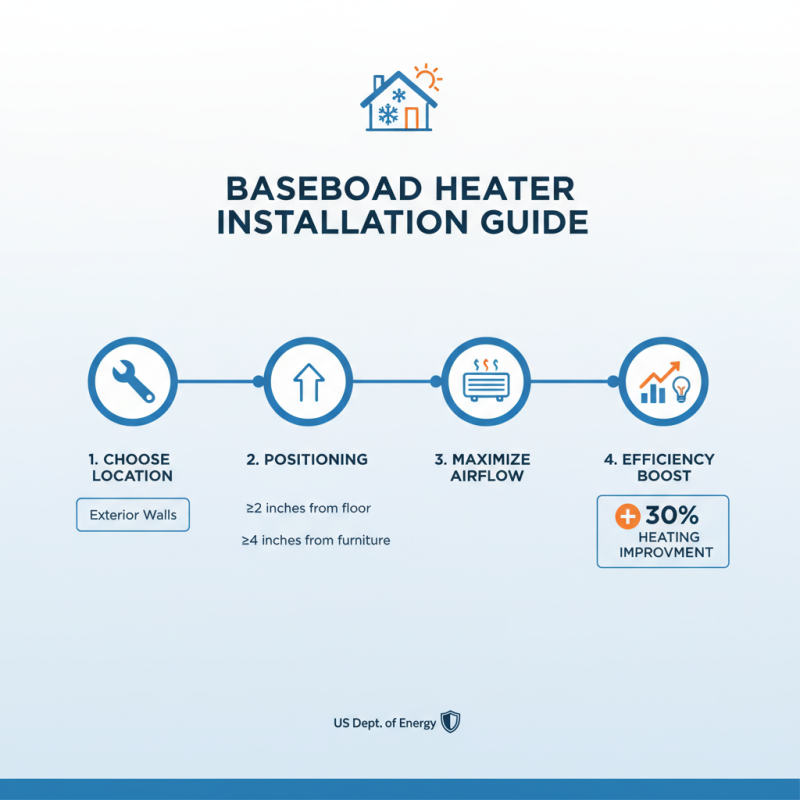
Installing a baseboard heater requires careful planning and execution. Start by selecting the right location, typically along exterior walls. This placement helps to counteract drafts and cold spots. Ensure the heater is at least 2 inches from the floor and 4 inches from furniture for optimal airflow. According to the U.S. Department of Energy, proper placement can improve heating efficiency by up to 30%.
Next, you’ll need the right tools: a stud finder, a level, and a drill. Mark the installation spots accurately. If you're installing electric units, shut off the power to avoid accidents. Many users overlook wiring safety. Always double-check connections, as improper wiring could lead to electrical failures. Professional installation might be advisable if you're unsure.
Secure the heater to the wall, ensuring it’s level. Attach the feet and connect pipes if it’s a hydronic unit. Ensure valves are in good condition. Testing the thermostat before sealing everything is crucial. Revisiting this step can prevent future headaches, as thermostat malfunctions can go unnoticed. A small oversight now could mean higher heating costs later.
Benefits and Drawbacks of Baseboard Heating Systems
Baseboard heating systems provide an interesting mix of benefits and drawbacks. They offer a reliable source of warmth. According to the U.S. Department of Energy, baseboard heaters can efficiently heat a room while maintaining a more consistent temperature. However, the initial installation cost can be significant. Homeowners might spend around $2,000 to $5,000 depending on the size and complexity of the installation.
One notable advantage is the comfort level. Baseboard heaters warm the room from the ground up. This can prevent drafts and enhance comfort. Additionally, these systems often run quietly, which is a plus for many. Yet, they can take longer to heat a space compared to forced-air systems. Regular maintenance is also essential. Dust can accumulate in units, leading to inefficient heating. A clean heater is crucial for optimal performance.
On the downside, they may not be the best choice for every home. Baseboard heaters can occupy wall space that might otherwise be used for furniture. They can also be less effective in larger rooms, where other heating methods might perform better. Energy costs can add up, too, especially during colder months. It's important to weigh these factors before deciding on a heating system.