Best Indoor Heater Options for Maximum Comfort in Winter?
Winter brings the chill, and comfort becomes essential. A reliable indoor heater is crucial for maintaining warmth. According to the U.S. Energy Information Administration, nearly 80% of American households rely on some form of heating in the winter. However, not all indoor heaters are created equal. Efficiency, safety, and cost are vital factors to consider.
Many consumers face challenges when choosing an indoor heater. Some models can be energy-efficient yet have poor heat distribution. Others may be affordable but lack key safety features. Research from the Department of Energy suggests that using energy-efficient models can save up to 30% on heating costs, highlighting the need for informed decisions.
Selecting the right indoor heater can make or break your winter experience. A well-chosen unit ensures a cozy home while keeping your energy bills reasonable. However, improper use of these devices can lead to safety hazards. Reflecting on comfort and safety is essential as we navigate the winter months.
Types of Indoor Heaters Suitable for Winter Use
When winter sets in, having the right indoor heater is essential. Several types of heaters are specifically designed to keep spaces warm and cozy. Electric heaters are popular due to their ease of use. According to the U.S. Department of Energy, electric space heaters can improve comfort by warming a specific area without heating an entire home. They are generally portable, making them ideal for localized heating.
Another option is gas heaters, which are efficient for larger spaces. Gas heaters tend to produce warmth more rapidly. However, one must consider ventilation; improper use can lead to carbon monoxide build-up. The National Fire Protection Association reports that heating equipment is a leading cause of home fires. Safety precautions are necessary when using these devices.
Infrared heaters are also gaining popularity. They provide direct warmth by radiating heat to objects rather than heating the air. This can lead to a more comfortable environment, especially in drafty rooms. A 2021 study showed that infrared heating can be up to 30% more efficient than traditional convection heating methods. Despite the variety of options, selecting the right heater often requires balancing efficiency, safety, and practicality to ensure optimal use without compromising comfort.
Best Indoor Heater Options for Maximum Comfort in Winter
| Type of Heater |
Heating Method |
Ideal Room Size (sq ft) |
Energy Efficiency |
Safety Features |
| Ceramic Heater |
Radiant |
200 |
High |
Tip-over, overheat protection |
| Oil-filled Radiator |
Convection |
300 |
Medium |
Overheat protection, child lock |
| Infrared Heater |
Radiant |
150 |
High |
Cool-touch, overheat protection |
| Fan Heater |
Fan-forced |
250 |
Medium |
Tip-over, overheat protection |
| Smart Heater |
Smart technology |
350 |
Very High |
Remote control, app control, safety shut-off |
Factors to Consider When Choosing an Indoor Heater
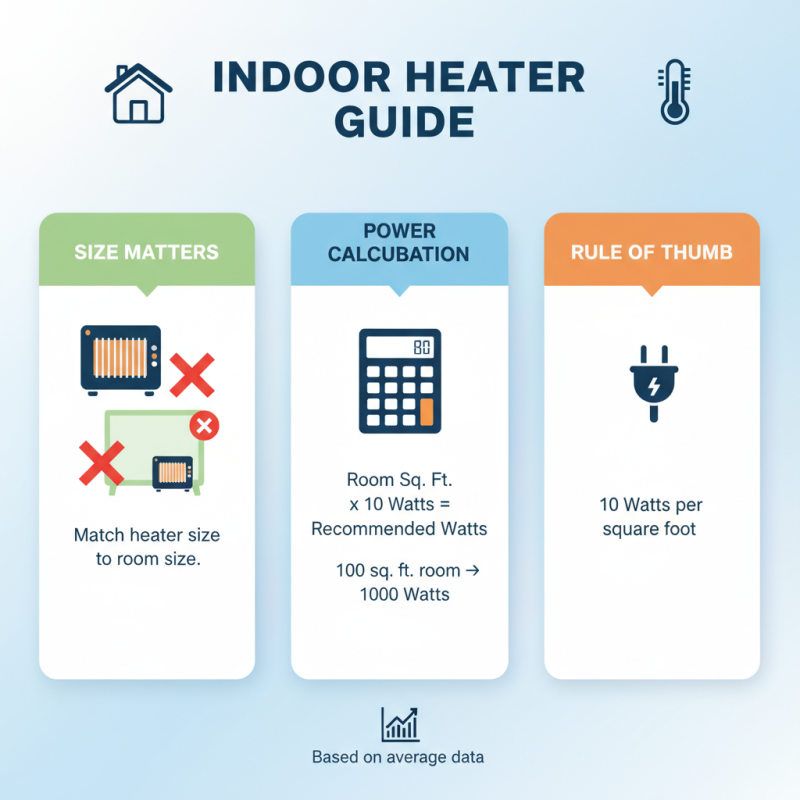
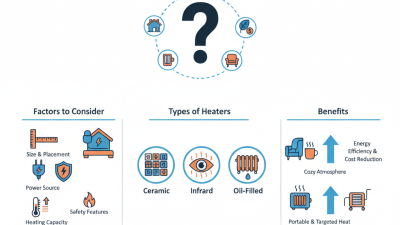
When choosing an indoor heater, several factors demand attention. The heater's size is crucial. A large heater in a small room can lead to discomfort. Conversely, a small unit in a big space may struggle to heat effectively. Data shows that the average heater needs about 10 watts per square foot.
Energy efficiency also matters. Look for models with high energy ratings. These can save you money. According to the U.S. Department of Energy, an energy-efficient heater can cut your heating bills by up to 30%. Pay attention to the type of heater as well. Radiant heaters warm objects directly, while convection heaters warm the air. Each type serves different needs.
**Tip:** Don't overlook safety features. Overheating protection and tip-over switches are vital for homes with pets or children.
Consider noise levels, especially if you use the heater at night. Some models can be surprisingly loud. If quiet operation is important, check decibel ratings before purchasing.
**Tip:** Regular maintenance extends a heater's life. Clean filters often to improve efficiency. It’s a simple task that can make a big difference.
Energy Efficiency Ratings and Their Importance
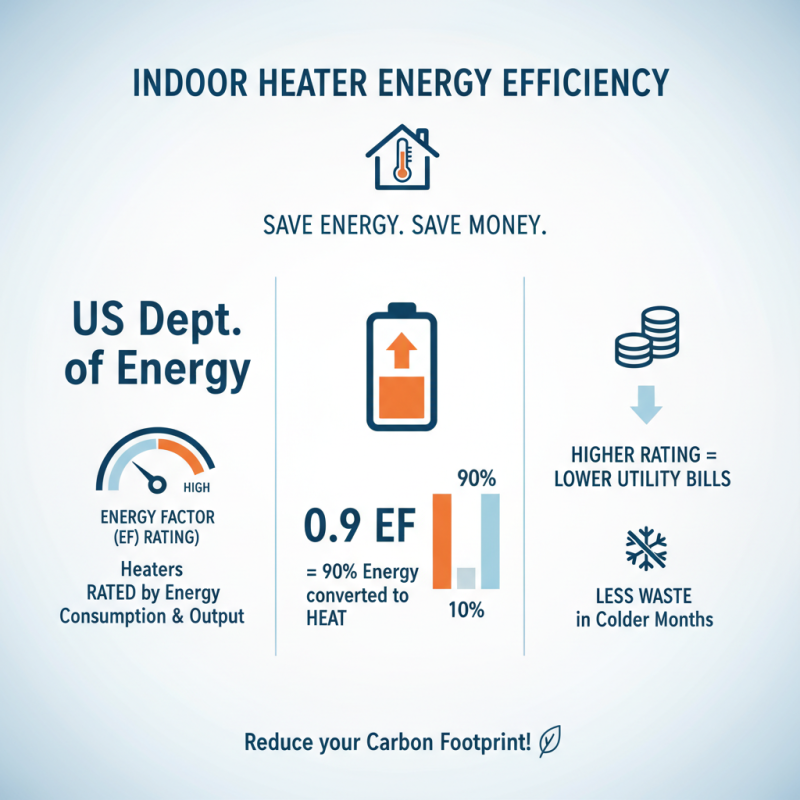
When it comes to selecting the right indoor heater, energy efficiency ratings play a crucial role. According to the U.S. Department of Energy, heaters are rated based on their energy consumption and output. Higher ratings can equate to lower utility bills. A unit with an Energy Factor (EF) of 0.9 means it converts 90% of energy into heat. This efficiency reduces wasted energy during colder months.
It's important to choose a heater that matches your space size. Oversized units often cycle on and off frequently, leading to wasted energy. This can increase your overall costs. The right size can ensure steady warmth, improving your comfort level at home. Research shows that using energy-efficient heaters can lead to savings of up to 30% on heating bills.
Additionally, consider the type of energy source. Electric heaters tend to be less efficient than gas or propane options. However, they can provide instant heat. Many households have found that manual adjustments can help optimize energy use. Regular maintenance can also improve a heater's efficiency. In the end, careful selection and maintenance matter for maximizing comfort and minimizing costs during winter.
Safety Features to Look for in Indoor Heaters
When selecting an indoor heater, safety features are paramount.
According to recent industry reports, approximately 35% of house fires occur due to heating equipment, making proper safety mechanisms essential. Look for heaters with automatic shut-off features to mitigate risks. This feature can cut power if the heater tips over or overheats, preventing potential disasters.
Another crucial safety aspect is overheat protection. Many modern heaters include sensors that detect temperature spikes. If a heater exceeds safe levels, it automatically shuts down, ensuring safety for both users and property. Additionally, consider heaters with cool-to-the-touch exteriors. Studies show that burns from hot surface heaters account for a significant number of injuries, especially in homes with children or pets.
Furthermore, always check for certifications from recognized safety organizations. These ensure the heater meets stringent safety standards. While features like remote control can enhance convenience, they shouldn’t overshadow essential safety functions. Balancing convenience with safety is vital. Reflecting on these points can prevent mishaps and ensure a warm, secure winter.
Maintenance Tips for Prolonging the Life of Your Heater
Keeping your indoor heater in top shape is crucial for comfort during winter. Regular maintenance can extend its lifespan significantly. According to a report by the U.S. Department of Energy, a well-maintained heater can last up to 15 years longer than one that is neglected. This difference can save you money in replacement costs and energy bills.
One simple way to maintain your heater is by regularly changing the filters. Clogged filters can restrict airflow and reduce efficiency. The National Fire Protection Association suggests checking filters monthly and replacing them every three months. This small task can enhance heating efficiency by up to 15%. Ensure your heater is kept clean and clear of dust. Unclean units can overheat and pose safety risks.
Pay attention to odd noises. They might indicate issues with the heater. Ignoring these can lead to costly repairs. Inspecting air ducts for leaks can also improve performance. A study showed that sealing duct leaks can increase efficiency by 20%. It’s important to reflect on these maintenance practices, as they can make a substantial difference in your home's warmth and safety during harsh winter months.