2026 Best IoT Water Level Sensor for Smart Water Management?
In recent years, water management has become a critical aspect of urban infrastructure. According to a report by MarketsandMarkets, the global IoT water industry is projected to reach $19.5 billion by 2025. Central to this growth is the emergence of Iot Water Level Sensors, which offer unprecedented data on water levels in real-time. These sensors support efficient water distribution, helping to combat issues such as wastage and contamination.
IoT Water Level Sensors can track fluctuations in water levels across various environments. From managing reservoirs to monitoring groundwater, these sensors provide vital information. Research by Grand View Research highlights the importance of sensor accuracy and reliability. Many sensors fall short in harsh conditions, which can affect their longevity. This poses a challenge for industries relying on consistent data.
While IoT Water Level Sensors are promising, the technology is not without flaws. Connectivity issues and maintenance concerns can hinder their effectiveness. Continuous improvement and investment in this field will be essential. Stakeholders should remain cautious and prioritize quality as they navigate the evolving landscape of smart water management.
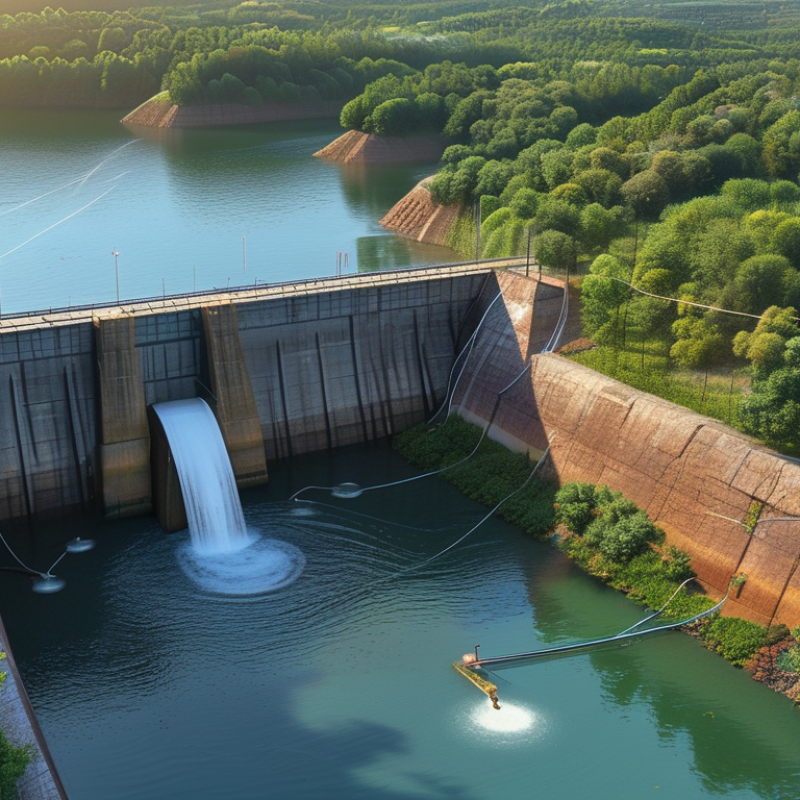
2026 Trends in IoT Water Level Sensors for Enhanced Water Management
The increasing need for efficient water management systems has propelled IoT water level sensors into the spotlight. According to a recent industry report, the global market for IoT water level sensors is expected to exceed $3 billion by 2026. These sensors play a critical role in monitoring water levels in various applications, including agriculture, municipal water supply, and flood management. By providing real-time data, they enhance decision-making processes for water resource management.
One significant trend in 2026 is the integration of machine learning algorithms with IoT sensors. This technology can predict water level fluctuations with greater accuracy, enhancing flood forecasting capabilities. However, many organizations face challenges in sensor deployment, largely due to infrastructure costs. Data from the Water Research Foundation shows that adopting smart sensor technologies can reduce operational costs by up to 25%. Despite these advantages, not all sectors are adopting this technology quickly.
Another noteworthy aspect is the diversity of sensor types available. From ultrasonic to capacitive sensors, options vary widely based on application needs. Yet, inconsistencies in data quality present a major concern. Many systems struggle with calibration issues, which can compromise data integrity. Stakeholders must address these gaps to truly capitalize on the benefits of IoT in water management. The road ahead is promising, but challenges remain.
Key Features to Look for in Smart Water Level Sensors for 2026
When selecting a smart water level sensor for 2026, several key features stand out. Reliable sensors should provide real-time data and accurate measurements. Look for devices that offer both visual and audible alerts, ensuring immediate feedback in case of high or low water levels.Different environments require unique sensor designs, whether for ponds, tanks, or industrial applications. The right sensor adapts to these scenarios.
Durability is another essential aspect. The sensor must withstand harsh conditions, including extreme temperatures and exposure to chemicals. Wireless connectivity can enhance operation by allowing remote monitoring through mobile applications. Choosing a device with low power consumption extends its longevity, which is crucial for continuous operation without frequent maintenance.
Integration capabilities matter as well. A sensor that can easily connect with existing smart home systems adds value. Consider whether it supports multiple communication protocols. These attributes help create a comprehensive smart water management system. Yet, it’s vital to reflect on the installation process. Some sensors may require professional assistance, which could add to overall costs. Assess these factors to ensure optimal performance tailored to specific needs.
Top IoT Water Level Sensors: A Comparison of Leading Models in 2026
Water level sensors are essential for effective water management. In 2026, the market sees advanced IoT sensors, offering enhanced accuracy and real-time data. According to industry reports, these sensors can improve efficiency by up to 30%. They help in monitoring water levels in reservoirs, tanks, and even in agriculture.
Smart water management relies on reliable sensors. Key features to consider include connectivity options, battery life, and measurement range. Many IoT sensors offer wireless capabilities, enabling remote monitoring. Data from the International Water Association shows that proper management can reduce wastage by 15%. This is crucial in areas facing water scarcity.
Tip: Prioritize sensors that provide alerts for critical levels. Regular maintenance checks ensure reliability. Always look for units with robust build quality to withstand harsh conditions. Lastly, consider scalability for future needs. Adapting your water management system can lead to significant long-term savings.
2026 Best IoT Water Level Sensor for Smart Water Management
| Model | Measurement Range | Accuracy | Connectivity | Power Source | Price ($) |
| Model A | 0-10 meters | ±1 cm | Wi-Fi, LoRa | Solar | 150 |
| Model B | 0-5 meters | ±2 cm | Zigbee, Bluetooth | Battery | 120 |
| Model C | 0-20 meters | ±3 cm | Cellular, Ethernet | AC Power | 200 |
| Model D | 0-7 meters | ±1.5 cm | Wi-Fi, LoRa | Solar | 140 |
Impact of IoT Water Level Sensors on Water Conservation Efforts
IoT water level sensors are transforming water conservation efforts in remarkable ways. These devices monitor water levels in real-time, providing accurate data to manage resources effectively. Sensors can alert users when levels are too high or low, preventing wastage and ensuring that water is used efficiently.
Implementing these sensors has led to significant improvements in water management. However, challenges remain. Data analysis can be complex and requires expertise. Not every community has the resources to interpret this data correctly. As a result, some areas may struggle to utilize these technologies effectively.
Moreover, while the technology is promising, there are still concerns about reliability. Interference from environmental factors can affect sensor performance. Regular maintenance and calibration are necessary. If neglected, the data can become skewed, leading to misguided decisions. Engaging local experts for support can bridge this gap and enhance overall effectiveness. Balancing technology use with practical knowledge is essential for sustainable success.
Analyzing the Cost-Benefit Ratio of Smart Water Management Solutions in 2026
In 2026, the integration of IoT water level sensors in smart water management systems will significantly impact resource efficiency. A recent report indicates that effective water management can reduce costs by up to 30%. This figure highlights the potential savings for municipalities. The installation of these sensors provides real-time data, allowing for precise water usage tracking.
Moreover, the cost-benefit ratio weighs heavily in favor of smart solutions. Studies show that every dollar invested in smart water management can yield a return of approximately $4 through reduced water loss and improved infrastructure planning. Investing in IoT technology also leads to enhanced sustainability efforts. Accurate monitoring helps detect leaks early, minimizing wastage.
Despite these benefits, challenges remain. The initial investment can be daunting for some organizations. Ensuring system reliability is also crucial, as occasional failures can lead to data inaccuracies. Balancing the desire for advanced technology with financial constraints requires careful consideration. Exploring innovative funding models may help alleviate these obstacles, paving the way for widespread adoption.