10 Best Laser Cladding Machines for Global Buyers
Choosing among the 10 Best Laser Cladding Machines for Global Buyers requires more than comparing laser power or purchase price. Laser Cladding combines concentrated heat, powder or wire delivery, motion control, and metallurgical precision. A machine may look impressive in a brochure, yet produce inconsistent layers on real components.
Professor Frank I. Klocke, a respected authority in laser manufacturing, has described laser material processing as “a key technology for future manufacturing.” This view remains relevant. Buyers must examine how each machine controls dilution, porosity, heat input, and powder efficiency. Those details appear on the repaired shaft, turbine blade, or worn mold surface.
Performance depends on the application.
This guide evaluates ten leading machines for international buyers. It considers laser source stability, build envelope, nozzle design, axis accuracy, software, cooling, maintenance, and technical support. It also reviews practical issues, including spare-part availability and operator training across different regions.
A low-cost system can become expensive when calibration takes too long. A powerful laser can still disappoint without reliable powder feeding. These are easy mistakes.
The comparison is not perfectly universal. Material type, coating thickness, production volume, and local service conditions can change the ranking. Some manufacturers also publish limited test data, which deserves caution. Readers should request sample trials, layer cross-sections, and verified operating costs before making a final decision.
The best choice is rarely the most powerful machine. It is the system that delivers repeatable results, manageable maintenance, and measurable value in the buyer’s actual production environment.
What Is Laser Cladding and How Does It Work?
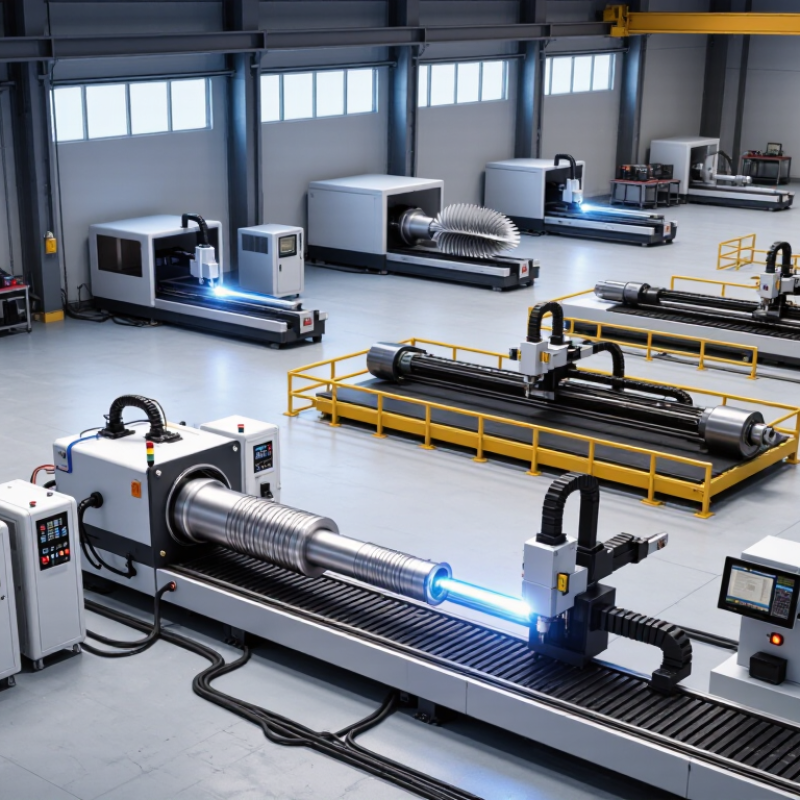
Laser cladding uses a focused laser to melt a thin layer of a metal surface. Powder or wire enters the melt pool at the same time. Shielding gas limits oxidation. The material then cools into a dense metallurgical bond, not a simple painted coating. That distinction matters.
A typical system controls laser power, travel speed, powder flow, and spot size. Small changes can alter dilution, porosity, hardness, and residual stress. Industrial trials commonly target dilution below 10–15%, while deposition rates may range from 0.5 to 5 kilograms per hour. Actual results depend heavily on alloy, geometry, and operator skill. It is not fully automatic.
The process repairs worn shafts, turbine components, molds, and mining parts. It can also add corrosion-resistant or wear-resistant layers to new components. The 2024 Wohlers Report valued the broader industrial additive manufacturing market at more than 20 billion dollars in 2023, showing strong demand for metal deposition technologies. However, laser cladding remains a specialized segment, and market estimates vary because repair work is often grouped with directed energy deposition.
In practice, the best machine is not always the fastest one. Beam stability, powder efficiency, motion accuracy, and process monitoring may matter more than headline power. I have seen specifications look impressive while real deposition tests reveal uneven tracks. Buyers should request sample coupons, cross-sections, hardness maps, and repeatability data before selecting equipment. Small oversights become expensive defects.
Key Criteria for Evaluating Laser Cladding Machines
When comparing the 10 best laser cladding machines for global buyers, performance should come before appearance. A stable laser source creates consistent melt pools and reduces uneven coating thickness. Check power control, spot-size adjustment, and deposition-rate accuracy. These details affect repair quality, production speed, and material waste. Ask for test data using your actual alloy and substrate. Generic samples can hide practical problems.
A reliable machine should include closed-loop monitoring, accurate powder feeding, and effective thermal control. Sensors should track temperature, laser output, and layer height during operation. Safety interlocks, shielding, ventilation, and clear operating instructions are essential for lawful workplace use. Also review software usability, maintenance access, spare-part availability, and technical training. A low purchase price may become expensive when calibration takes too long. No machine is perfect. I would question any supplier promising zero defects.
Tips: Test a sample coupon before signing a purchase agreement. Measure bonding strength, porosity, hardness, and surface finish. Confirm electrical requirements, installation space, and local safety compliance. Request service response times in writing. If possible, let an experienced operator run the machine for several hours. Small control delays can become serious production issues. A careful evaluation may feel slower, but it often prevents costly redesigns and disappointing output.
Ten Leading Laser Cladding Machines for Global Buyers
Ten Leading Laser Cladding Machines for Global Buyers
Global buyers now compare laser cladding machines by repair accuracy, deposition rate, and service access. The 2024 Wohlers Report recorded global additive manufacturing revenue of approximately $20 billion in 2023. That growth also increases demand for reliable metal repair and surface enhancement systems.
The ten leading machine categories include five-axis enclosed systems, robotic cladding cells, coaxial powder units, wire-fed systems, hybrid CNC platforms, and high-power industrial machines. Compact repair cells suit turbine edges and hydraulic rods. Robotic systems cover larger shafts and irregular surfaces. Wire-fed equipment can reduce powder waste, but it needs careful thermal control. Powder systems offer finer deposition on complex geometries.
Real workshops should inspect melt-pool monitoring, beam stability, shielding gas control, and calibration records. They should also request sample coupons using the intended alloy. Small defects appear quickly there. According to the International Energy Agency, industry represents roughly 37% of global energy demand, making energy efficiency a practical purchasing factor. The best machine is not always the fastest one. A high-power source may increase throughput, yet poor heat management can distort thin components. That trade-off is easy to underestimate. Buyers should verify ISO 52900 terminology, operator training, spare-part availability, and regional compliance documentation. Independent test data matters more than polished brochures. Sometimes, the cheapest system becomes the expensive choice.
10 Best Laser Cladding Machines for Global Buyers
Comparison of representative industrial laser cladding configurations by laser power and typical metal deposition rate. The figures reflect commonly published performance ranges for equipment used in repair, wear protection, and surface enhancement.
Higher laser power generally supports larger repair areas and faster processing, while actual deposition rates depend on alloy type, powder or wire feedstock, substrate geometry, and process settings.
Machine Comparison by Performance, Materials, and Applications
10 Best Laser Cladding Machines for Global Buyers
Choosing among the 10 best laser cladding machines requires more than comparing laser power. Performance depends on deposition rate, bead consistency, thermal control, and repair accuracy. A high-power system may build layers quickly, but excessive heat can distort thin components. Check powder utilization, motion repeatability, cooling design, and available process monitoring. Numbers can mislead. Test coupons matter.
Material compatibility should match your actual production needs. Stainless steel supports general repairs, while nickel alloys suit heat-resistant parts. Cobalt-based powders can improve wear resistance on cutting tools and valves. For oversized shafts, turbines, and molds, inspect the working envelope and axis travel. Applications also affect automation needs. Manual systems may fit occasional repairs, while robotic cells offer steadier coverage for complex surfaces. Ask for documented trials using your geometry and powder. One overlooked issue is operator training. Even good equipment can produce weak bonding when setup changes are poorly controlled.
Tips: Compare hardness, dilution, porosity, and surface finish from independent test samples. Request energy consumption and maintenance records, not only brochure specifications. Leave room for uncertainty; published results may use ideal conditions. A machine that performs well in a laboratory could struggle beside a dusty workshop floor. Check service response, spare-part access, and software usability before purchasing. Expect some learning time.
How to Select the Right Laser Cladding Machine for Your Needs
10 Best Laser Cladding Machines for Global Buyers
How to Select the Right Laser Cladding Machine for Your Needs
Choosing the right laser cladding machine starts with the repair, not the brochure. Define the material, coating alloy, part size, and expected production volume. A worn shaft needs different access than an internal valve seat. Measure twice. Then compare laser power, spot size, powder feed stability, and motion accuracy. These details affect bond strength, dilution, surface finish, and later machining.
Check whether the system supports your preferred alloys, including nickel, cobalt, iron, or carbide mixtures. Stable powder delivery matters when a small change can create pores or uneven layers. For large components, examine travel range and fixture capacity. For complex surfaces, multi-axis movement may reduce manual repositioning. Ask for test coupons made with your material. Published specifications can look impressive, but real results may differ.
Reliable selection also requires practical support. Review calibration procedures, replacement-part availability, operator training, software updates, and service response in your region. A lower purchase price may become expensive if alignment takes days. Request maintenance records from comparable installations when possible. Do not ignore extraction, enclosure, and monitoring features. They support safer operation and consistent production. I would also leave room for uncertainty: early trials may reveal heat distortion, powder waste, or a learning curve that the sales sheet does not mention.