Smart Heating Solutions

7 Best Plastic Cup Making Machines for Global Buyers

Choosing the right Plastic Cup Making Machine is more complex than comparing hourly output. Cup factories must balance mold accuracy, heating stability, material use, energy consumption, and after-sales support. A machine producing 60,000 cups per hour may appear attractive, yet unstable temperature control can create thin walls, uneven rims, and costly rejects.

Dr. John Beaumont, a recognized plastics processing specialist, offers a useful reminder: “A machine should be judged by repeatable performance, not impressive speed alone.” This principle guides our review of the seven best machines for global buyers. We examine thermoforming and injection molding systems, considering cup size, polymer compatibility, automation, tooling flexibility, and maintenance access.

Look beyond speed.

Real production conditions matter. Operators need clear controls, reliable sensors, and practical changeover procedures. Buyers should also verify food-contact documentation, electrical standards, spare-parts availability, and local technical support before signing a purchase agreement. These details can protect production schedules and reduce unexpected downtime.

Our evaluation is not perfect. Supplier specifications can differ from factory results, and a machine that performs well in one plant may struggle in another. Ambient temperature, operator experience, cup design, and recycled material ratios can change the outcome. Therefore, this guide treats performance claims carefully and encourages sample testing before investment. The best Plastic Cup Making Machine is not always the largest or fastest model. It is the system that consistently produces acceptable cups at a sustainable total cost.
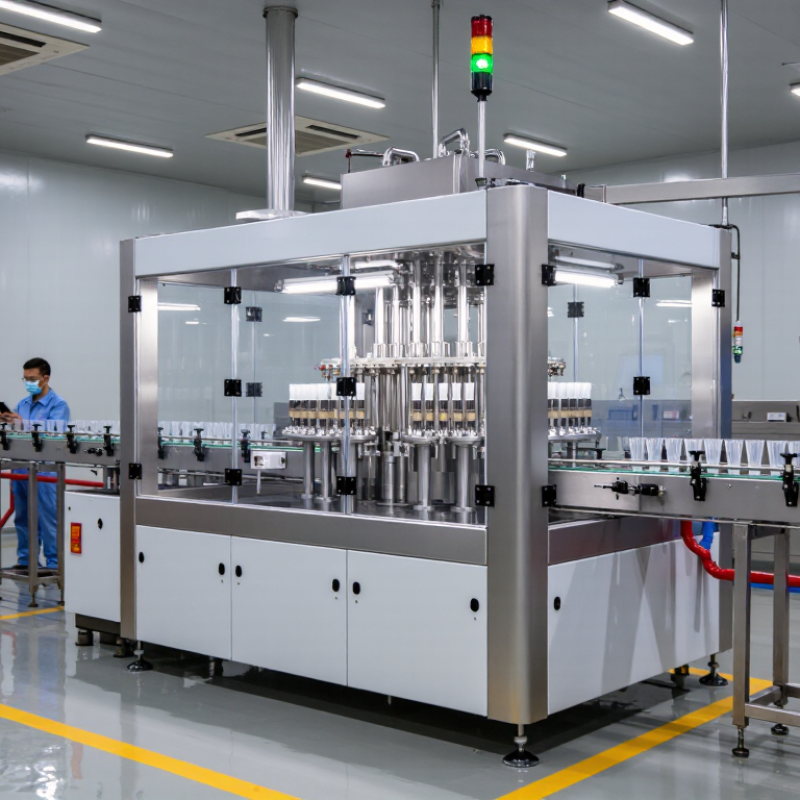
7 Best Plastic Cup Making Machines for Global Buyers

Types of Plastic Cup Making Machines for Different Production Needs

Plastic cup production varies widely, so machine selection should follow the product and output target. Thermoforming machines suit thin, lightweight cups for water, dairy, and takeaway use. They heat plastic sheets, shape them over molds, and trim the edges in one production cycle. Roll-fed systems support high-volume lines, while sheet-fed models offer easier material changes and smaller batch control.

Injection molding machines make thicker cups with stronger walls and consistent dimensions. They work well for reusable cups, technical containers, and products needing detailed rims or handles. However, tooling costs can be significant. Compression molding may suit high-speed production with reduced material stress, but it needs careful control of pressure, temperature, and cooling time. Extrusion-based systems can support continuous sheet production before forming, helping factories manage large orders.

A practical buyer should compare cavity numbers, cycle time, mold-change speed, energy use, and scrap handling. Food-contact applications also require traceable materials and documented quality checks. Operators should inspect cup weight, rim smoothness, sidewall thickness, and stacking performance during trial runs. Speed matters. Waste counts. A machine rated for maximum output may perform poorly with unstable material or frequent color changes. I have found that production teams sometimes choose capacity first and maintenance access later. That decision can create avoidable downtime. A smaller, well-supported machine may deliver more reliable results than a faster system with difficult servicing.

Key Features to Compare Before Choosing a Cup Making Machine

Choosing a plastic cup making machine requires more than comparing advertised output. Start with cup size, wall thickness, material type, and expected daily volume. A machine designed for thin water cups may struggle with heavier food containers. Ask for sample production using your actual resin and mold design.

Forming accuracy matters. Check heating zones, temperature controls, mold alignment, and cooling performance. Uneven heating can create weak rims, cloudy surfaces, or inconsistent stacking. Servo-driven systems may improve motion control, while hydraulic systems can offer strong forming pressure. However, the best option depends on product design and maintenance skills.

Inspect the whole production line, not only the forming unit. A reliable machine should connect smoothly with feeding, trimming, stacking, and quality inspection equipment. Check changeover time, spare-part availability, safety guarding, and operator access. Clear alarms can reduce downtime. Poorly designed access panels cannot.

Energy use deserves careful attention. Compare heater efficiency, compressed-air demand, and idle consumption under realistic conditions. Request factory test data, but verify it with your own trial. Numbers can look impressive.

After-sales support is equally important. Review installation guidance, remote troubleshooting, training, and service response times. Ask how faults are documented. A detailed manual often reveals engineering discipline. Still, no machine is perfect, and rushed installation can damage good equipment. Run a pilot batch before full purchase, then measure defects, cycle stability, labor needs, and actual output.

7 Best Plastic Cup Making Machines for Global Buyers

The 7 Best Plastic Cup Making Machines for Global Buyers should match product demand, material choice, and factory conditions. Roll-fed thermoforming machines suit high-volume production with consistent cup shapes. Sheet-fed thermoforming machines offer flexibility for smaller batches and frequent design changes. Injection molding machines produce strong, precise cups with thicker walls. Extrusion thermoforming lines reduce handling by forming cups directly from plastic sheet. High-speed servo machines improve cycle control and energy monitoring. In-mold labeling systems add decoration during forming, reducing separate labeling steps. Custom multi-cavity machines support specialized sizes, but they often require higher tooling costs.

Tips: Check output per hour, mold-change time, power requirements, and operator skill needs. Ask for sample cups before signing. Measure rim accuracy, wall thickness, stacking stability, and sealing performance. Confirm spare-part availability in your region. A cheaper machine may become expensive when heating elements or molds are difficult to replace.

Experienced buyers should also inspect the heating zones, forming pressure, cooling system, and waste-trimming process. Servo-driven movement can reduce vibration and improve repeatability, but it may increase maintenance complexity. Recycled-content processing sounds attractive, yet inconsistent material can affect clarity and cup strength. Test the actual resin blend, not only a supplier’s standard sample. I would not rank one machine above all others; factory layout, local electricity, labor costs, and target cup design change the decision. Even a reliable line can underperform when ventilation or temperature control is overlooked.

Production Capacity, Materials, and Automation Levels Explained

7 Best Plastic Cup Making Machines for Global Buyers

Plastic cup production starts with the product, not the machine. Seven common options include manual, semi-automatic, and fully automatic thermoformers, plus injection, compression, rotary, and inline forming systems. Thermoforming suits high-volume cups made from PP, PET, PS, or approved biodegradable sheets. Injection molding offers stronger control for reusable cups and complex rims. Compression molding can reduce material waste, but tooling choices require careful testing.

Capacity varies widely. A small semi-automatic line may produce 8,000 to 20,000 cups per hour. High-speed inline systems can exceed 50,000 cups per hour under stable conditions. These figures depend on cup size, wall thickness, mold cavities, and operator skill. Quoted capacity is not guaranteed output. Measure twice. Ask for verified samples, cycle-time records, and scrap percentages before purchasing.

Automation affects labor, consistency, and maintenance. Manual machines need more operators but offer useful flexibility for short runs. Semi-automatic models balance investment and control. Fully automatic lines can manage sheet feeding, forming, trimming, stacking, and counting with limited intervention. Sensors help detect misfeeds and uneven forming. Still, sensors cannot replace trained maintenance staff. I would not choose the fastest machine automatically. A slower line may deliver better uptime, easier cleaning, and fewer rejected cups. Check local power standards, spare-part access, food-contact documentation, and recycling requirements before final selection.

7 Best Plastic Cup Making Machines for Global Buyers - Production Capacity, Materials, and Automation Levels Explained

No. Machine Configuration Forming Process Typical Production Capacity Compatible Materials Typical Cup Range Automation Level Best Suited For
1 Single-Station Thermoforming Machine Heated plastic sheet is formed over a mold by vacuum or pressure, then trimmed. Approximately 8,000–25,000 cups per hour PP, PET, PS, PLA, and other thermoformable sheets 80–500 ml; small and medium cup formats Semi-automatic to automatic; manual sheet loading may be required Start-ups, laboratories, pilot production, and multiple small-volume SKUs
2 Inline Roll-Fed Thermoforming Line Plastic sheet is unwound, heated, formed, punched, stacked, and conveyed in one continuous line. Approximately 20,000–60,000 cups per hour PP, PET, PS, PLA, and multilayer thermoforming sheet 150–700 ml; standard beverage and food cups Fully automatic material feeding, forming, trimming, stacking, and scrap winding Medium- to high-volume disposable cup production
3 High-Speed Pressure Thermoforming Line Compressed air is combined with vacuum to produce thinner walls, sharper details, and consistent rims. Approximately 40,000–100,000 cups per hour PP, PET, PS, PLA, and high-barrier sheet structures 150–1,000 ml, depending on mold layout and wall thickness High automation with servo drives, recipe control, automatic stacking, and inline monitoring Large beverage, dairy, food-service, and packaging plants
4 Injection Molding Cup Cell Molten plastic is injected into a multi-cavity mold and cooled before ejection. Approximately 15,000–60,000 cups per hour PP, HDPE, PS, and selected engineering or recycled-content compounds 100–1,000 ml; rigid cups and reusable containers Automatic; usually integrated with a robot, conveyor, mold-temperature controller, and granulator Thick-wall cups, reusable products, precise dimensions, and high repeatability
5 IML Injection Molding Cup System A printed in-mold label is placed inside the mold before injection, creating an integrated decorated cup. Approximately 12,000–50,000 cups per hour Primarily PP; label compatibility depends on the resin and label material 100–1,000 ml; branded-style food and dairy containers Highly automated with label placement, robotic take-out, vision inspection, and stacking Retail packaging requiring durable, high-quality, full-wrap decoration
6 Multi-Layer Barrier Thermoforming Line Co-extruded or laminated sheet is thermoformed to improve oxygen, aroma, light, or moisture protection. Approximately 25,000–70,000 cups per hour PP, PET, PS, EVOH-containing structures, and other approved barrier laminates 100–750 ml; dairy, prepared food, and extended-shelf-life packaging Automatic to highly automated; requires precise heating and layer-process control Food manufacturers needing improved shelf life and controlled material performance
7 Servo Thermoforming and Robotic Packing Line Servo-controlled forming, trimming, vision inspection, robotic stacking, and case packing are integrated into one production cell. Approximately 50,000–120,000 cups per hour PP, PET, PS, PLA, recycled-content sheet, and selected multilayer materials 150–700 ml; high-volume cups with strict dimensional requirements Very high automation with PLC recipes, servo motion, automatic quality checks, and robotic case packing Global-scale production where labor reduction, traceability, and consistent output are priorities

Note: Production figures are typical industry ranges and vary according to mold cavity count, cup volume, wall thickness, material grade, sheet width, cycle time, and product stacking method.

How to Select, Install, and Maintain the Right Machine

Selecting among the seven best plastic cup making machines requires more than comparing output rates. Match the machine to your cup size, material, wall thickness, and expected order volume. Ask for sample cups before purchasing. Check rim strength, weight consistency, cycle stability, and scrap levels. A fast machine is not always the best machine.

Installation should begin with a measured factory plan. Confirm floor strength, ventilation, power capacity, cooling water, and material storage space. Keep at least one meter around service panels. This detail is often missed. Use a qualified technician to level the machine and inspect every electrical connection. Confirm local safety and electrical requirements before production starts. During commissioning, record temperature settings, forming pressure, cycle time, and rejected pieces. These records become useful evidence when troubleshooting.

Maintenance works best as a routine, not an emergency response. Clean forming tools after each shift and inspect heaters, sensors, air lines, and cutting edges weekly. Replace worn parts before they damage molds or create uneven rims. Keep a simple log with dates, readings, repairs, and operator notes. I once underestimated the impact of small temperature changes; several cartons showed inconsistent walls. The lesson was uncomfortable but practical: operators need training, and settings need verification. No checklist is perfect. Review it after every serious fault, product change, or seasonal temperature shift.

7 Best Plastic Cup Making Machines for Global Buyers

Typical nominal production capacity by machine type

How to read this chart: The figures show representative nominal output ranges commonly used for preliminary equipment selection. Actual production depends on cup size, material, wall thickness, mold cavities, forming cycle, automation level, and operating conditions.

Selection guidance: Semi-automatic machines suit smaller orders and flexible production. Sheet-fed and roll-fed thermoforming systems are suitable for higher-volume disposable cups, while injection and compression molding machines are often selected for durable polypropylene or reusable cups.