Top Portable Heater Which One Is Best for Global Buyers?
Choosing the top portable heater is not as simple as comparing wattage, price, or online ratings. Global buyers face different room sizes, climates, voltage systems, plug standards, and heating habits. A compact ceramic heater may warm a small bedroom quickly, while an oil-filled radiator can provide steadier heat beside a desk. The right choice depends on real use, not impressive packaging.
Heating educator John Barba captures this practical idea with the statement, “Heat the person, not the whole house.” His advice reflects an important buying principle. A portable heater should match the space, insulation, airflow, and daily routine. It should also include reliable overheat protection, tip-over shutoff, clear controls, and a stable base. These details matter when the unit operates near curtains, furniture, children, or pets.
Global comparison is complicated. Some models support only one voltage range. Others require region-specific plugs or certified safety markings. Buyers should confirm local compatibility before ordering. Energy costs also vary widely, so a low purchase price may not mean lower ownership costs. We will examine heating performance, noise, portability, controls, safety features, maintenance, and long-term value.
No ranking is perfect. Personal comfort differs. Online reviews can be incomplete. Still, careful testing can reveal useful patterns, such as warm-up speed beside a cold window or thermostat stability overnight. This guide aims to make those differences easier to understand. It favors practical evidence over marketing claims, helping buyers choose a portable heater that fits their room, region, and real expectations.
Portable Heater Types and How They Differ
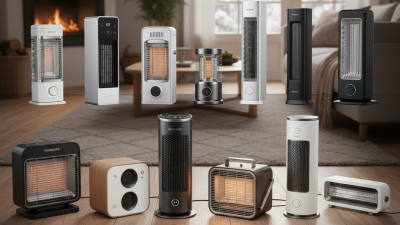
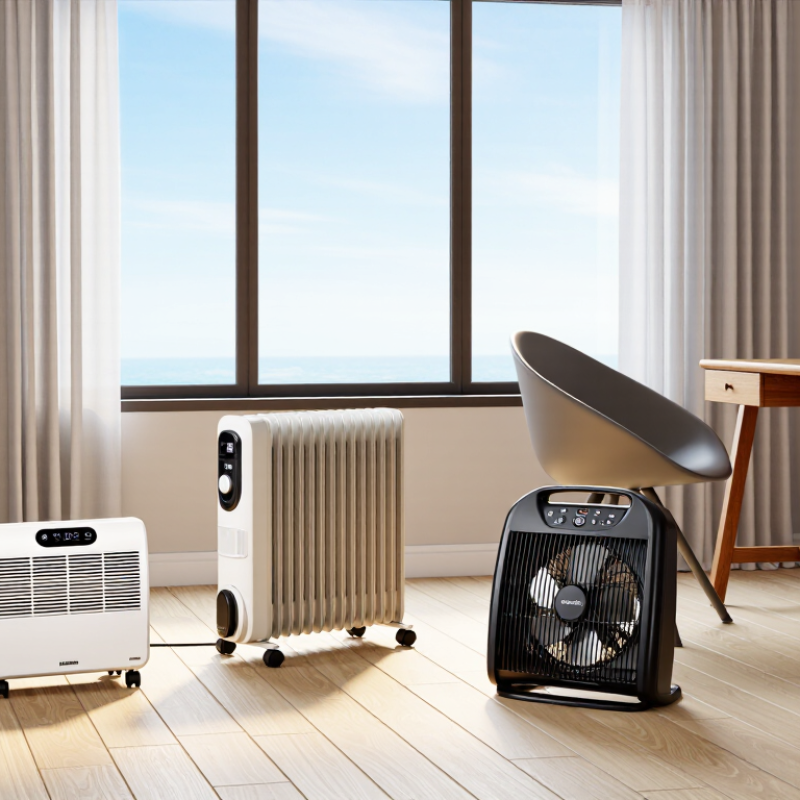
Portable heaters differ mainly in how they create and distribute warmth. Ceramic fan heaters warm air quickly through a compact heating element and fan. They suit desks, bedrooms, and short heating periods. However, the airflow may feel dry or noisy. Infrared heaters warm nearby people and surfaces directly, rather than heating the whole room evenly. They work well beside a chair or workbench.
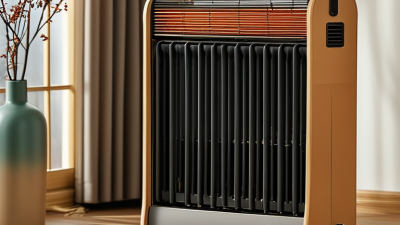
Oil-filled radiators release steady, gentle heat after their metal body becomes warm. They are usually quieter, but slower to start and heavier to move. Convection heaters rely on natural air movement, so they operate quietly but may take longer in a cold room. Heat behaves differently. Room insulation, ceiling height, and outdoor temperature can change performance more than advertised wattage suggests.
Global buyers should compare voltage, frequency, plug design, thermostat accuracy, and certified safety features for their region. A heater with tip-over protection, overheat shutoff, and a stable base is a more dependable choice. Keep clear space around it, especially near curtains or bedding. I once assumed the highest wattage would always feel best, but that was too simple. A smaller infrared unit may feel warmer at close range, while an oil-filled model may suit several hours of quiet use. Buyers should check room size guidance carefully, because manufacturer estimates can be optimistic.
Key Features That Determine Heating Performance
Top Portable Heater: Which One Is Best for Global Buyers?
Heating performance starts with the right power level, not the highest number. A 1,500-watt heater may warm a small bedroom quickly, but it can struggle in a drafty living room. Check the recommended room size and ceiling height. A thermostat matters too. It cycles power after reaching the target temperature, reducing uncomfortable heat swings. In practical use, steady warmth feels better than sudden blasts.
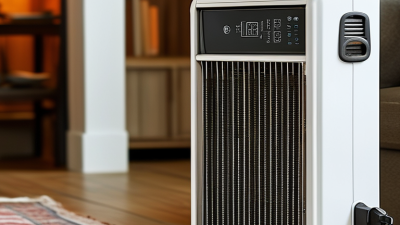
Heating technology also shapes performance. Ceramic or resistance elements can provide fast, direct heat. A fan spreads warmth across the room, but it may create noticeable noise at night. Oscillation helps distribute heat around furniture and corners. Look for adjustable settings, clear temperature controls, and a timer that suits daily routines. Small details matter.
Safety and global compatibility deserve equal attention. Tip-over protection and overheat shutoff should respond quickly during basic testing. A stable base is essential on smooth floors. Buyers should verify voltage, frequency, plug type, and local certification requirements before ordering. A heater designed for one electrical system may perform poorly or become unsafe elsewhere. I once focused too much on heating speed and overlooked cord length. That mistake made placement awkward. Portable does not always mean convenient.
Safety Standards and Energy Use Across Global Markets
Top Portable Heater: Which One Is Best for Global Buyers?
Portable heaters differ sharply in safety design, voltage, and energy use across global markets. A suitable model should match the local electrical system, not just the room size. Check the label. A 1,500-watt heater running for eight hours uses about 12 kilowatt-hours. Thermostatic cycling may reduce actual use, but poor insulation can quickly increase it.
Safety comes first.
Look for tip-over protection, overheating cut-off, insulated handles, and a stable base. Product markings should fit the destination market, such as CE, UKCA, or other recognized certification systems. These marks do not always mean identical testing requirements. Buyers should confirm the applicable national standard and plug type before purchase. In many regions, household heaters follow safety requirements based on IEC 60335-2-30, but local rules may add further conditions.
From practical comparisons, ceramic heating elements often offer quick warmth and compact construction. Yet “energy-saving” claims can be misleading. Electric resistance heaters generally convert electricity into heat efficiently, while the real difference comes from controls, room insulation, and operating time. I would choose a heater with an accurate thermostat, multiple power settings, and clear instructions in the buyer’s language. A remote control is convenient, but it cannot replace physical safety features. My own evaluations also show a weakness: small heaters are easy to move, so users may place them too close to curtains or bedding. That habit deserves more attention than decorative design.
Choosing the Right Heater for Room Size and Climate
Top Portable Heater: Which One Is Best for Global Buyers?
Choosing the Right Heater for Room Size and Climate
Room size should guide your heater choice more than appearance. Measure the space first. A small bedroom may need modest heat, while a large living room needs wider coverage and steadier output. Overheating a tiny room wastes energy and creates uncomfortable dry air.
Climate changes the decision. In a mild, humid region, a compact heater with adjustable settings may be enough. Cold, dry climates often require stronger, continuous heating and careful humidity control. Drafty windows, high ceilings, and poor insulation can make any heater feel weaker. Check the room, not just the product label.
A practical test is simple: place the heater away from curtains, furniture, and walking paths. Keep doors closed during use, then check whether the room warms evenly. Safety features such as overheat protection, stable placement, and automatic shutoff matter across different household conditions. They are not decorative extras.
My own rule is imperfect. I prefer lower heat for longer periods, but this may not suit a poorly insulated room. Portable models are convenient, yet moving one between rooms can become tedious. Buyers should also consider local voltage requirements, plug compatibility, noise levels, and available ventilation before purchasing. Small details matter.
Top Portable Heater: Choosing the Right Power for Room Size and Climate
Estimated heating power for average-insulation rooms. Actual needs vary with ceiling height, insulation, windows, and outdoor temperature.
As a practical rule of thumb, plan for approximately 100 W per square metre in mild climates,
130 W/m² in cold climates, and 160 W/m² in very cold climates. Many portable electric heaters
are limited to about 1,500–2,000 W, so larger or colder rooms may require multiple units or a fixed heating system.
A Practical Comparison of the Best Portable Heater Options
Choosing the best portable heater depends on room size, climate, electricity standards, and daily use. A compact ceramic heater warms small bedrooms quickly and often includes adjustable airflow. An infrared heater feels warmer on nearby surfaces, but its comfort drops when you move away. An oil-filled radiator heats more slowly. It provides steady warmth and usually operates quietly.
For global buyers, electrical compatibility deserves careful attention.
Check voltage, frequency, plug type, and the heater’s certified safety markings before purchase. A 1,500-watt model may suit a medium room, but older wiring could struggle with continuous use. Look for tip-over protection, overheat shutoff, a reliable thermostat, and a stable base. These features matter more than a glossy control panel. My comparison is not perfect because insulation, humidity, and furniture placement can change results. A heater that feels effective in a sealed apartment may disappoint in a drafty room.
Tips:
Measure the room before choosing wattage. Keep at least one metre of clear space around the heater. Place it on a dry, level floor, never on a bed or unstable stool. Test the thermostat during daytime use. If the unit smells strongly, makes unusual sounds, or trips the circuit, stop using it and seek qualified advice. Keep children and pets away from hot surfaces. Portable does not mean harmless.