Best Vertical Machining Center for Global Buyers in 2026?
The landscape of machining technology is evolving rapidly, and the Vertical Machining Center (VMC) stands at the forefront. As industries worldwide demand precision and efficiency, understanding this machinery’s potential becomes vital. In 2026, buyers face an array of choices, but not all options deliver the expected performance and reliability.
Investing in a Vertical Machining Center is significant. Buyers must consider factors such as brand reputation, technical specifications, and support services. While some VMCs promise high-speed operations, others may not meet production demands. It’s essential to weigh these aspects carefully. Often, the most reliable solutions come from established manufacturers that prioritize quality and innovation.
However, challenges persist. Some VMCs are too complex for novice users, leading to frustration and wasted resources. It’s crucial to reflect on operational needs before making a purchase. A well-informed buyer can identify machines that not only fit current demands but also adapt to future requirements, ensuring long-term value. The selection process should prioritize both functionality and user-experience for optimal outcomes in machining operations.
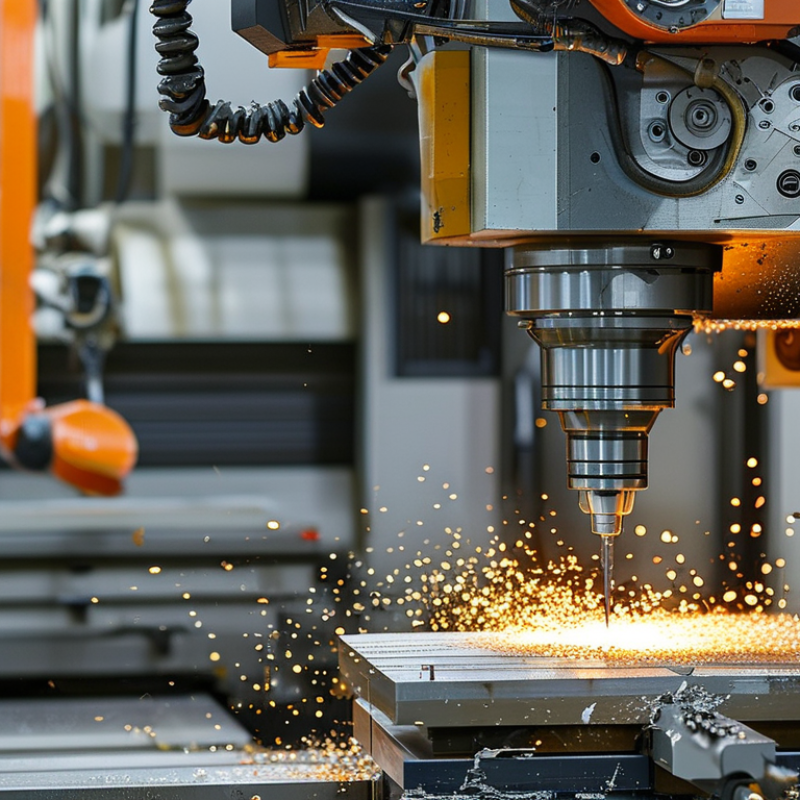
Best Vertical Machining Centers: An Overview of Key Features
When evaluating the best vertical machining centers for global buyers in 2026, understanding key features is crucial. One significant aspect is spindle speed. A higher spindle speed can enhance productivity by reducing cycle times. Buyers should prioritize machines that offer variable speed options. This flexibility allows for better adaptability to different materials.
Another vital feature is tool change time. Machines with rapid tool change capabilities significantly improve efficiency. A fast tool change can minimize downtime, which is essential for operations with high production demands. Furthermore, the design of the machine plays a critical role. A well-structured layout can facilitate smoother workflows and enhance operator safety.
While these features are beneficial, they should not overshadow the importance of user training. Operators must be thoroughly educated about the capabilities and limitations of a vertical machining center. Misuse of features can lead to decreased performance. Additionally, ongoing maintenance is essential. Regular check-ups ensure that the machinery operates at peak performance. This point often reflects the importance of a reliable supplier relationship, as well. The right partner can provide necessary support for long-term success.
Best Vertical Machining Centers for Global Buyers in 2026
Market Trends and Innovations in Vertical Machining Centers for 2026
The vertical machining center (VMC) market is undergoing rapid transformations as we approach 2026. Technology is advancing, making machines more efficient and user-friendly. Industry experts highlight improvements in automation and artificial intelligence. These features enhance precision and reduce production time significantly. Buyers now prioritize machines that offer smart connectivity. Data-driven insights are becoming essential in optimizing operational efficiency.
Sustainability is another significant trend. Manufacturers are focusing on reducing energy consumption and waste. Eco-friendly production methods are gaining momentum in 2026. Companies are expected to seek centers equipped with energy-efficient technologies. This shift not only benefits the environment but also improves cost efficiency.
However, these innovations come with challenges. The integration of new technologies requires skilled labor. Workers need training to adapt to advanced systems. Additionally, while automation boosts productivity, it raises concerns about job displacement. Striking a balance between innovation and workforce stability is crucial for future growth in the vertical machining center market.
Top Global Brands in Vertical Machining Centers: A Comparative Analysis
In the rapidly evolving world of vertical machining centers, understanding the competitive landscape is crucial for buyers. A recent industry report indicates that the global vertical machining center market is expected to exceed $7.76 billion by 2026. This growth is fueled by advancements in automation and industry 4.0 integration, which enhance precision and efficiency. However, with numerous options available, distinguishing between top global brands is not straightforward.
A comparative analysis reveals significant variances in performance and technology. For instance, while several brands excel in offering high-speed machining capabilities, others focus on durability and extended service life. It’s important for buyers to assess their specific needs. A machine designed for heavy materials may not perform well with fine details. Many users have reported inconsistencies in service support across brands. These challenges highlight the importance of reliable customer service, which can significantly influence long-term satisfaction.
Moreover, sustainability is becoming a key factor in the selection process. Some manufacturers have started to incorporate eco-friendly practices in their production lines. Still, the commitment to sustainability varies greatly among different brands. As buyers evaluate their choices, understanding these nuances can lead to better decision-making. Investing in a vertical machining center is not just about the initial cost; it’s about long-term value and reliability.
Factors to Consider When Choosing a Vertical Machining Center
Choosing a vertical machining center requires careful consideration of several factors. The first aspect to evaluate is the machine's build quality. A sturdy frame aids in precision, while vibration dampening enhances part accuracy. Buyers should also look at spindle speed and power. Higher speeds allow for more efficient cuts, but power is essential for handling tougher materials.
Another vital factor is the machine's control system. A user-friendly interface can greatly improve productivity. Moreover, advanced control systems can offer better automation features, reducing manual intervention. Buyers might reflect on their own team’s skill level. A complex machine may require specialized training, which could delay production time.
Lastly, consider the after-sales support and warranty. Reliable service can save time and money down the line. The market can be unpredictable, and machines might face issues. A strong warranty and support network can ensure continuity in production. Evaluate these elements thoroughly to make an informed purchase decision.
Future Prospects: Vertical Machining Centers in the Global Market
The future prospects for vertical machining centers (VMCs) in the global market look promising. According to a recent report by MarketsandMarkets, the VMC market is projected to reach $7.6 billion by 2026, with a CAGR of over 5% from 2021. This growth reflects increased demand from sectors such as aerospace, automotive, and precision manufacturing. Manufacturers are increasingly adopting VMCs due to their efficiency and precision.
Nonetheless, challenges remain. The high initial investment required for advanced VMCs can deter smaller manufacturers. Furthermore, the rapid pace of technology development creates a gap in skills. Many operators require extensive training to handle the latest features. Reports indicate that about 30% of manufacturers struggle to find skilled labor, which could hinder the adoption of these advanced technologies.
In terms of geographic distribution, Asia Pacific stands out as a key player, expected to dominate the market share. The rise of industrialization in countries like India and China propels this trend. However, varying regulations and standards across countries can create hurdles. Companies must navigate this complex landscape to fully capitalize on the growth potential of VMCs in the global market.
Best Vertical Machining Center for Global Buyers in 2026? - Future Prospects: Vertical Machining Centers in the Global Market
| Model | Max Spindle Speed (RPM) | Table Size (mm) | Travel X/Y/Z (mm) | Control System | Estimated Price (USD) |
| Model A | 10000 | 600 x 400 | 800/400/500 | Fanuc | 50,000 |
| Model B | 12000 | 800 x 500 | 900/500/600 | Siemens | 60,000 |
| Model C | 8000 | 700 x 400 | 700/400/450 | Mitsubishi | 45,000 |
| Model D | 15000 | 900 x 600 | 1000/600/700 | Yaskawa | 75,000 |