Smart Heating Solutions
Selecting a Spa Chiller for an international facility requires more than comparing cooling capacity and purchase price. Water temperature, humidity, corrosion exposure, noise, refrigerant choice, service access, and seasonal efficiency all affect operating results. A compact machine beside a therapy pool may run continuously, so a small efficiency gap can become a noticeable annual cost.
The International Energy Agency’s The Future of Cooling reports that global energy demand for space cooling could more than triple by 2050 without stronger efficiency measures. Its warning matters to spa operators, even though spa water cooling differs from room air conditioning. The report also highlights the growing importance of efficient cooling equipment in emerging markets. ASHRAE guidance further encourages engineers to evaluate part-load performance, maintenance, controls, and lifecycle cost—not only rated output.
“Energy efficiency is the first fuel,” says Fatih Birol, Executive Director of the IEA. This principle fits Spa Chiller purchasing closely. Efficient equipment reduces electricity demand, but only when correctly sized and maintained. Reality is less tidy.
Manufacturers often publish different test conditions, making direct comparisons difficult. Some emphasize maximum cooling capacity. Others provide clearer data on coefficient of performance, noise, heat rejection, and warranty support. This introduction examines China’s top 10 Spa Chiller manufacturers for global buyers, focusing on technical credibility, production experience, export capability, certifications, and after-sales reliability. The list is not absolute. Buyer priorities vary by pool volume, climate, installation space, and local service coverage. A lower purchase price may look attractive, yet weak documentation or delayed spare parts can undermine the investment.
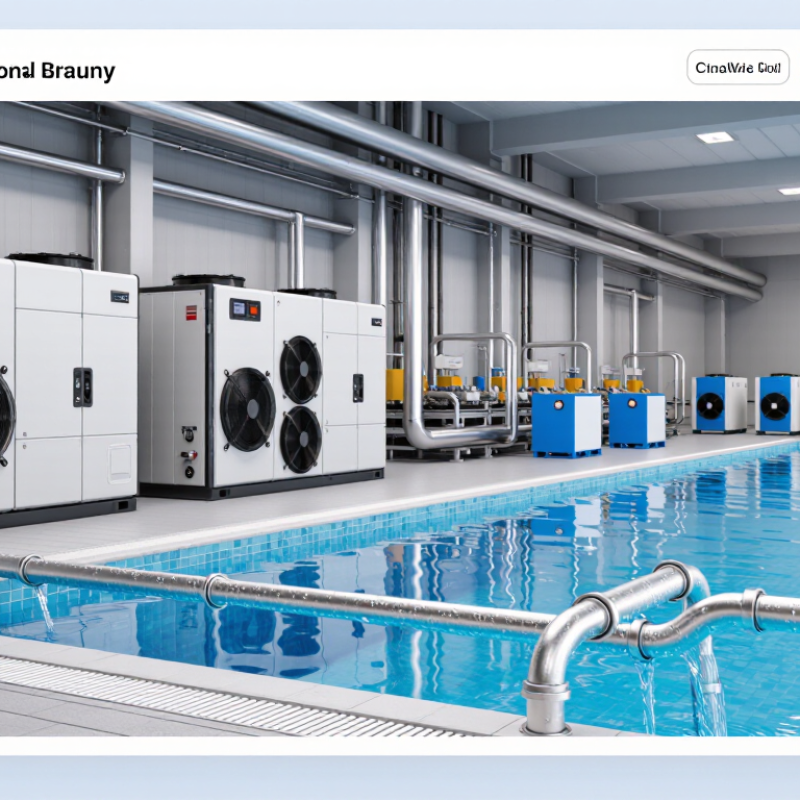
China’s spa chiller manufacturing landscape is broad, fast-moving, and uneven. Factories range from engineering-led workshops to high-volume exporters serving hotel, resort, and residential projects. Many suppliers combine compressors, heat exchangers, pumps, and control panels through established local supply chains. This structure can shorten lead times, but it may also create differences in component quality. Buyer experience matters. Site audits, sample testing, and clear technical drawings often reveal more than polished catalogs.
For global buyers, reliable manufacturers explain cooling capacity under specific water temperatures, ambient conditions, and flow rates. They should share performance data, electrical options, noise levels, maintenance access, and warranty procedures. Ask how each unit is tested before shipment. Independent inspection is useful, especially when several models look nearly identical. Some suppliers answer quickly but vaguely. That is a warning, not a minor communication issue. Also review installation support, spare-parts availability, packaging quality, and experience with similar applications.
Tips: Compare at least three technical quotations using identical operating conditions. Request factory testing records or recent test videos. Confirm refrigerant details and documentation with qualified local professionals. Do not choose by price alone. A cheaper chiller can consume more power or require difficult servicing. Even experienced buyers can miss this. Recheck assumptions before signing.
Choosing the top 10 Chinese spa chiller manufacturers requires more than comparing catalog prices. In practical installations, water temperature, ambient heat, and pump pressure change performance. Experienced buyers should request cooling capacity at stated inlet and outlet temperatures. A number without test conditions means little. Look for manufacturers that publish compressor data, heat exchanger materials, control ranges, and electrical options. Ask for recent test records. Details matter.
Reliable manufacturers usually support stainless steel or titanium heat exchangers for demanding water chemistry. They should explain flow rates, refrigerant selection, noise levels, and protection against freezing or overload. Strong suppliers can provide wiring diagrams, installation guidance, spare-part lists, and remote troubleshooting. Check whether quality systems and export documents are current. A factory visit, video inspection, or third-party audit can reveal assembly discipline better than polished brochures. Response speed often predicts service quality, although it is not proof.
The top 10 Chinese spa chiller manufacturers should be compared through sample testing, not promises alone. Measure pull-down time, running current, outlet temperature stability, and sound near the pool. Small errors become expensive across many units. Warranty terms need careful reading, especially for pumps, sensors, and controllers. No shortlist is perfect. Some manufacturers excel at customization but lack local technicians. Others offer fast production yet limited engineering feedback. Buyers should record these gaps, discuss corrective actions, and reassess after a pilot order. A cheaper quotation may conceal weaker insulation, inefficient fans, or difficult maintenance access. Leave room for doubt.
Key Technologies Used in Spa Chillers
Modern spa chillers combine refrigeration, water circulation, and electronic control. In field commissioning, technicians often inspect the heat exchanger before starting the compressor. Titanium or corrosion-resistant plate exchangers handle treated water more reliably. This matters in spas using salt, ozone, or frequent chemical dosing. A blocked filter can still reduce performance.
Inverter-driven compressors adjust cooling output instead of cycling fully on and off. This can lower energy use and keep water temperature steadier during busy periods. Variable-speed pumps support smoother circulation and reduce unnecessary pressure. Microprocessor controllers monitor water temperature, flow, compressor load, and fault signals. Freeze protection is essential in cold plant rooms. A flow switch should stop the compressor when circulation fails.
Heat rejection also affects real operating costs. Air-cooled models need clear ventilation and regular coil cleaning. Water-cooled designs may require a separate cooling-water system. Low-global-warming-potential refrigerants are increasingly important, but buyers must verify local safety and service requirements. Electrical protection, emergency shutdowns, and insulation quality deserve equal attention.
No controller removes every risk. A chiller may perform well in testing but struggle beside a hot window or undersized pump. During supplier evaluation, request operating data at the intended water temperature, ambient condition, and flow rate. Check service access too. A compact cabinet is not always a practical one. Good specifications should include noise levels, refrigerant details, exchanger materials, certifications, and tested efficiency.
Refrigerant selection is a key technology factor in spa chillers. The chart compares the 100-year global warming potential (GWP100) of refrigerants commonly considered for compact chiller and heat-pump systems.
Lower GWP refrigerants can reduce climate impact, while final selection also depends on cooling capacity, safety classification, system design, local regulations, and service requirements. Other important spa chiller technologies include inverter compressors, titanium heat exchangers, electronic expansion valves, and digital temperature controls.
China Top 10 Spa Chiller Manufacturers for Global Buyers
How to Evaluate Chinese Spa Chiller Suppliers
Choosing a Chinese spa chiller supplier requires more than comparing factory prices. Cooling performance must match the spa’s water volume, ambient temperature, and operating schedule. The 2023 Global Cooling Watch report projects cooling demand could more than triple by 2050. Energy efficiency therefore deserves serious attention. Ask for COP or EER results under clearly stated test conditions. A number without test conditions is weak evidence.
Review compressor specifications, heat-exchanger materials, refrigerant type, water-flow limits, noise levels, and control functions. Request third-party test reports and quality certificates, then verify their validity. ISO 9001 certification supports process control, but it does not guarantee every shipment. The AHRI 550/590 standard also offers useful guidance for evaluating chiller performance. Factory audits can reveal assembly quality, spare-parts storage, and final testing practices. Photos are helpful, but physical inspection is better.
Tips: Compare lifecycle cost, not only purchase price. Check warranty exclusions, response times, remote troubleshooting, and local service coverage. Ask for references from similar climates. A supplier may promise a short lead time, yet seasonal demand can change it. I have seen polished specifications hide unclear maintenance duties. That is a warning, not a minor detail. Build a written acceptance checklist before placing the order. Leave room for doubt. Supplier evaluation is never perfectly mechanical.
For global buyers comparing China’s top ten spa chiller manufacturers, compliance should begin before price negotiation.
The IEA’s Buildings 2023 report states that buildings used about 30% of global final energy in 2022. Efficient chilling matters. Request tested COP or EER values, part-load performance, noise data, and operating limits for hot, humid sites. A factory test sheet is useful, but it is not the same as independent verification.
Confirm the required refrigerant, pressure rating, electrical standards, and control voltage for the destination market. EU projects may require obligations under Regulation (EU) 2024/573, while ISO 5149 and EN 378 help address refrigeration safety. Ask for a declaration of conformity, serial-number traceability, wiring diagrams, and material certificates. The UNEP 2023 Global Status Report reported that buildings and construction represented approximately 34% of global energy demand and 37% of energy-related emissions in 2022. Energy claims deserve careful checking.
After-sales planning is less glamorous, but it protects the investment. Require commissioning guidance, remote diagnostic access, spare-parts availability, and a written response-time agreement. Keep pumps, sensors, filters, and controllers locally when possible. Water chemistry is often overlooked; poor balance can damage heat exchangers within one season. A low quotation can be a false economy. I have seen buyers compare compressors but ignore service labor, customs delays, and refrigerant restrictions. That comparison needs rethinking. Manufacturers should provide maintenance intervals, warranty exclusions, and clear escalation contacts before shipment.