Why Choose a Small Electric Heater for Your Home Comfort?
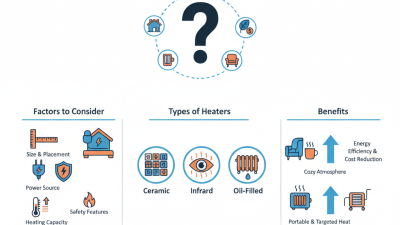
As homeowners seek comfort in varying climates, the choice of heating solutions becomes critical. A small electric heater stands out for its efficiency and convenience. According to the U.S. Department of Energy, space heaters use about 80% less energy than central heating systems. This allows for targeted warmth in the rooms we use most, reducing energy bills.
Many are unaware that space heaters can pose risks if mismanaged. Over 65,000 reported home fires involve space heaters each year. Proper placement and maintenance are essential to mitigate hazards. A well-placed small electric heater can make a chilly room welcoming, while neglect can lead to serious consequences.
In addition, a 2021 study indicated that 54% of consumers prefer compact heating options at home. This reflects a growing trend toward energy-efficient solutions. The small electric heater fits well in limited spaces, providing heat without taking up much room. However, it should be noted that not all heaters deliver the same performance. It’s crucial to research and choose a model that meets individual needs efficiently.
Benefits of Using Small Electric Heaters in Home Environments
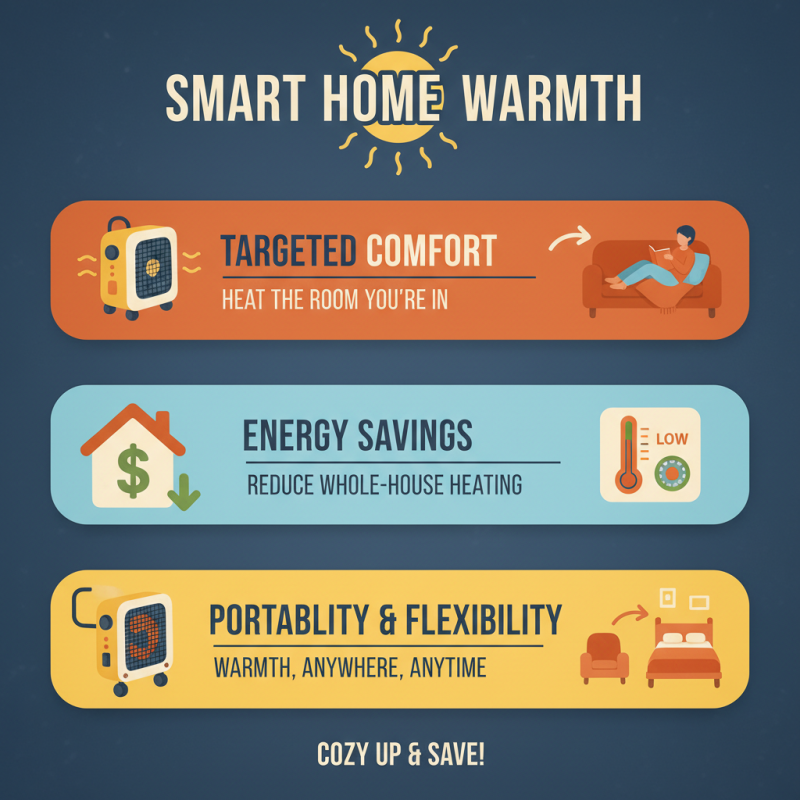
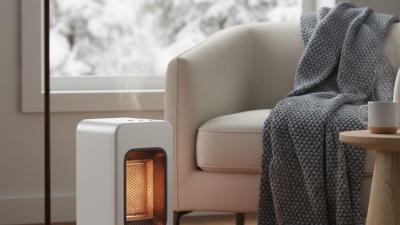
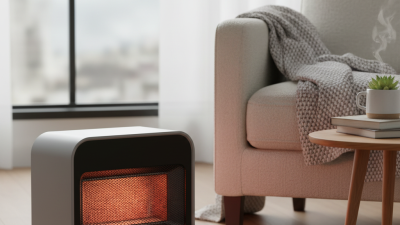
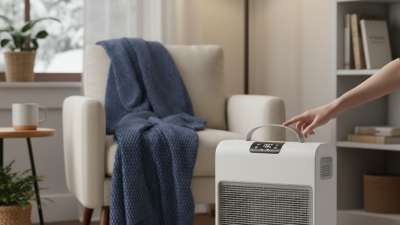
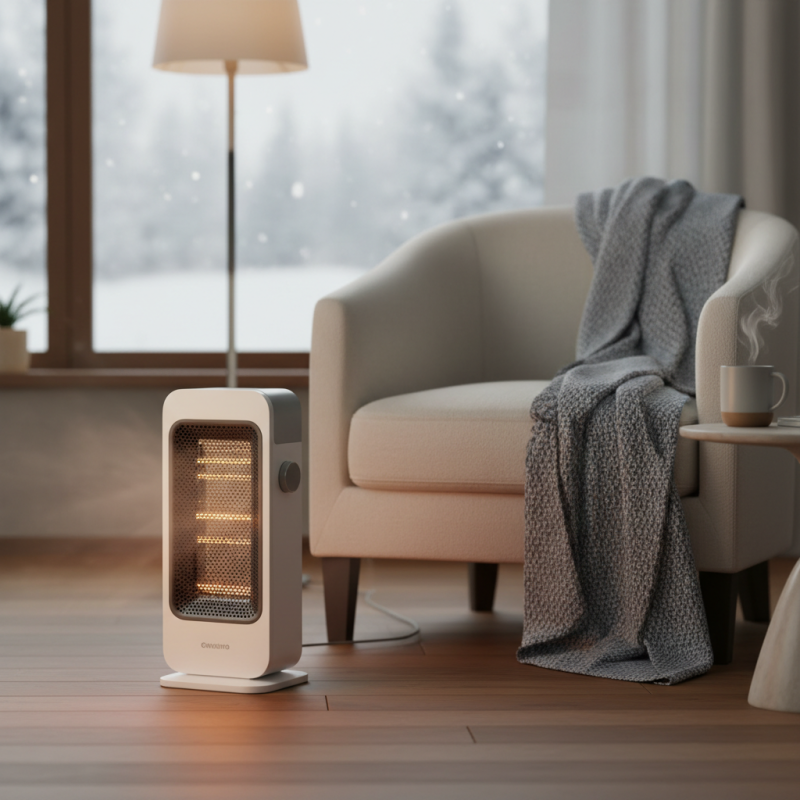
Small electric heaters are an excellent choice for enhancing home comfort. These compact units can be easily moved from room to room, providing warmth where it’s needed most. Imagine cozying up in your living room while the rest of the house remains cool. This targeted heating can lead to energy savings. Instead of turning on central heating, you can heat only the space you occupy.
Another benefit lies in their safety features. Many small electric heaters come with automatic shut-off mechanisms. This reduces the risk of accidents. You can use them confidently, even when you’re not in the room. Additionally, some models have a quiet operation. This means you can enjoy a warm environment without distracting noise.
However, it’s worth noting that not all small electric heaters are efficient. Some might consume more energy than they claim. Choosing the right model is crucial. Checking energy ratings can help with that. The initial investment may vary, but finding a balance between cost and efficiency is essential.
Energy Efficiency Comparison: Small Heaters vs. Traditional Heating Systems
When it comes to home heating, small electric heaters are gaining popularity. One major advantage is their energy efficiency. Unlike traditional systems, such as furnaces, small heaters warm up specific areas quickly. This means you can stay cozy without heating the entire house. It can save both energy and cost, especially during milder months.
Traditional heating systems often consume more power. They need to maintain a consistent temperature in larger spaces. This can lead to higher utility bills. On the other hand, small heaters can be used only when needed. They allow for targeted heating. This approach can be particularly effective in drafty rooms or when working from home.
However, you might overlook some downsides. Small heaters may not be sufficient for very cold climates. They can also draw more power if used excessively. Users should reflect on their habits and heating needs. Balancing comfort and efficiency is crucial. Small electric heaters can be a smart choice if used wisely.
Portability and Space-Saving Advantages of Compact Electric Heaters
When considering home heating solutions, compact electric heaters stand out for their portability and space-saving features. These small units are perfect for rooms without central heating. Many models weigh under 10 pounds, making them easy to move from space to space. According to a recent report by the U.S. Department of Energy, using portable heaters can reduce heating costs by 10% to 30% if used strategically.
In smaller homes or apartments, maximizing space is crucial. Compact heaters can fit under desks, in corners, or on shelves, blending seamlessly into your setup. This ability to use less space can open up areas for other activities or furniture. However, not all models are optimized for energy efficiency. Some can draw significant power, leading to higher bills if used incorrectly.
Versatility is another appealing aspect. Many compact heaters offer features like adjustable thermostats and timers. These can help ensure the heating is only on when needed. Yet, it’s essential to assess the specific needs of each room. A heater that works well in a small bedroom may not be suitable for a larger living area. Understanding this helps in choosing the right model for your home.
Safety Features and Modern Technologies in Small Electric Heaters
Small electric heaters have gained popularity due to their
safety features and modern technologies. According to recent reports, nearly 70% of households prefer these compact devices for their ease of use and improved safety. Many models now come with overheat protection and tip-over switches. These features significantly reduce the risk of fire hazards, providing peace of mind to users.
Modern electric heaters often include smart technology. Some models can be controlled via smartphone apps. This allows homeowners to monitor and adjust settings remotely. A study highlighted that homes with smart heaters experienced a 15% reduction in energy costs. This tech-savvy approach makes heating homes more efficient and affordable.
Tips: Always place the heater on a flat, stable surface. Don't cover it with anything. Regularly check for dust buildup, which can interfere with performance. Remember, these heaters are not designed for unattended use. Staying aware of potential risks is essential for safe operation.
Cost-Effectiveness: Initial Investment vs. Long-Term Savings of Small Heaters
When considering heating options, the initial investment often draws attention. Small electric heaters have a lower purchase price compared to larger systems. This makes them appealing for budget-conscious consumers. However, this is just one aspect of the cost equation.
In the long term, small electric heaters can lead to significant savings. Their efficiency allows for targeted heating in individual rooms. You heat only the spaces you use, which can reduce electricity bills. Imagine cozying up in a warm living room without heating the whole house. Over time, this approach can be more economical than relying on central heating.
Yet, it’s essential to reflect on usage habits. People sometimes forget to turn them off when leaving. This oversight can lead to wasted energy. Likewise, not all small heaters are created equal. Efficiency ratings vary, impacting long-term savings. Therefore, carefully analyzing features is crucial. Balancing upfront costs with potential savings necessitates thoughtful consideration.