How to Choose the Best Electric Shop Heater for Your Space
Choosing the right electric shop heater can significantly impact your workspace comfort. According to heating expert Michael Adams, “Selecting the right heater can make or break your productivity.” With so many options available, it’s essential to understand what features you need.
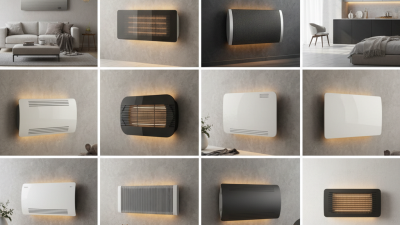
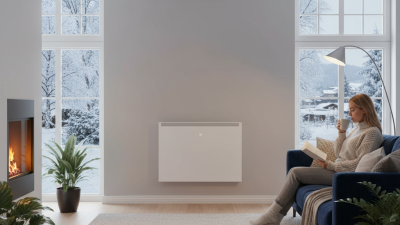
Electric shop heaters vary greatly in design and output. Some focus on compactness while others prioritize power. For example, consider whether you need a portable unit or a more permanent installation. Price is also a factor, but it should not be the sole consideration. In some cases, cheaper options may lead to higher energy bills or inadequate heating.
It's easy to feel overwhelmed by choices. Many shoppers overlook details like safety features and wattage. These can drastically change your experience. Remember, a good electric shop heater warms your space efficiently and safely. The right choice enhances not only comfort but also productivity within your shop.

Understanding Different Types of Electric Shop Heaters Available
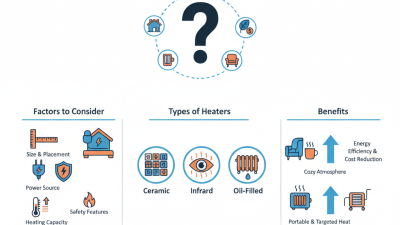
When selecting an electric shop heater, understanding the available types is crucial. There are several options to consider. Radiant heaters warm specific areas quickly, providing direct heat. They are ideal for small, focused spaces. Yet, they may not effectively heat larger areas. Convection heaters circulate warm air throughout a room. They are better for larger spaces but can take longer to warm up.
Another option is fan-forced heaters. These devices use fans to distribute heat uniformly. They can quickly raise the temperature in a shop. However, noise can be an issue, and they may require more maintenance. Infrared heaters are also popular and work well for outdoor or larger shop environments, but they need clear line-of-sight to be effective.
Some users overlook the importance of energy efficiency. Not all heaters are created equal, and a less efficient model can lead to higher energy bills. Additionally, some heaters come with safety features that could prevent accidents, which is essential in a workspace. It's vital to research the specifications thoroughly. Consider your unique space requirements and your usual activities in the shop.
Assessing the Size and Heating Requirements for Your Space
When selecting an electric shop heater, understanding the size of your space is crucial. The heating requirements often depend on several factors, such as square footage, insulation, and ceiling height. A report by the Department of Energy suggests you need about 10 watts of heating power per square foot in well-insulated areas. In poorly insulated spaces, it might increase to 20 watts.
Consider your shop's layout. Open areas require more power compared to enclosed spaces. The insulation quality plays a vital role too. If the walls and roof are well-insulated, your heater will perform better with less energy consumption. Not every heater can adapt effectively to every workspace. If miscalculated, you might end up with uneven heating or excessive energy costs.
The decision does not end at wattage. The type of heater matters, too. Some heaters provide quick warmth but are less energy-efficient. Others take time to heat a room yet consume less energy. Prioritizing your needs is essential. Balancing efficiency and effectiveness should guide your choice. Testing different options can lead to a better understanding. Perfect solutions are rare; every space has unique challenges.
Evaluating Energy Efficiency and Operating Costs of Heaters
When choosing an electric shop heater, energy efficiency and operating costs are crucial factors. The U.S. Department of Energy states that electric heaters convert nearly 100% of electricity into heat. However, efficiency can vary significantly among models. A reliable analysis from the Electric Power Research Institute indicates that some models waste energy, leading to higher monthly bills.
Operating costs depend on usage habits. For instance, running a heater continuously consumes more energy. A heater with a 1500-watt rating will cost approximately $0.20 to $0.50 per hour, depending on local electricity prices. It’s worth noting that using a programmable thermostat can optimize operating costs, but not all heaters come with this feature.
Efficiency ratings like the Energy Star label can also guide consumers. Nevertheless, some heaters may not perform as claimed. Research shows that even certified models can have varying real-world performance. Testing individual units can provide insights, but this is often overlooked. Balancing upfront costs with these long-term expenses is essential, as many users underestimate future utility bills.
How to Choose the Best Electric Shop Heater for Your Space - Evaluating Energy Efficiency and Operating Costs of Heaters
| Heater Type |
Energy Efficiency (AFUE%) |
Power Output (kW) |
Operating Cost ($/Month) |
Ideal Space Size (sq ft) |
| Ceramic Heater |
85% |
1.5 |
$30 |
150 |
| Convection Heater |
90% |
2.0 |
$45 |
250 |
| Radiant Heater |
80% |
1.8 |
$40 |
200 |
| Infrared Heater |
95% |
2.5 |
$50 |
300 |
| Fan-forced Heater |
88% |
2.2 |
$35 |
260 |
Key Features to Look for in a Quality Electric Shop Heater
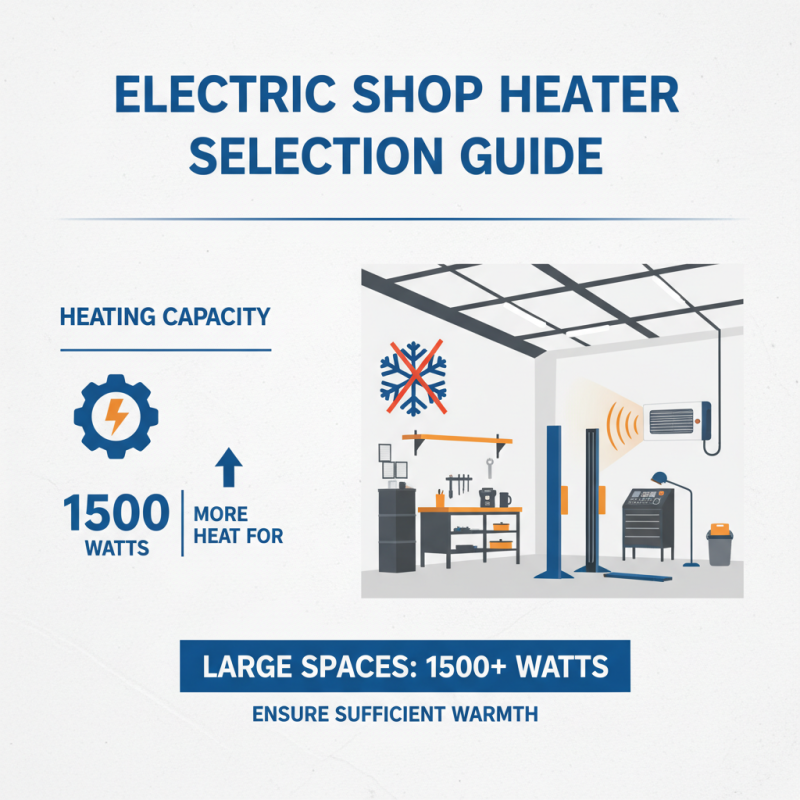
When selecting an electric shop heater, consider its heating capacity. This is measured in watts. A higher wattage means more heat. For larger spaces, opt for heaters above 1500 watts. This can ensure sufficient warmth during chilly days.
Portability is another key feature. A good electric shop heater should be easy to move. Look for models with wheels or handles. This allows you to reposition the heater based on your needs. For instance, you might need more heat in one corner of the shop today. Tomorrow, you might want it near your workbench.
Safety features cannot be overlooked. Ensure the heater has an automatic shut-off function. This prevents overheating. Also, check for tip-over protection. Heaters can be unstable on uneven surfaces. A well-designed safety feature can make a difference.
Tip: Consider installing a carbon monoxide detector if you use your heater frequently. Even electric models can pose risks if used improperly. Staying aware of your workspace conditions is essential. Regularly check your heater for any wear or damage too. Small issues can escalate quickly. Remain proactive to ensure safety.
Safety Considerations When Using Electric Shop Heaters
When using electric shop heaters, safety should be a top priority. These heaters can generate a lot of heat quickly. If not used properly, they can become a fire hazard. Always place the heater on a stable, flat surface. Avoid placing it near flammable materials like paper, wood, or chemicals.
Keep the area around the heater clear. This simple step can prevent potential accidents. Ensure that the cord is not damaged or pinched. Regularly inspect the heater for any signs of wear. If you notice any issues, stop using the heater immediately.
**Tips:** Use a heater with an automatic shut-off feature. This will help prevent overheating. Consider a model with a tip-over switch. If the heater tilts, it will turn off. Finally, always turn off your heater when you leave the shop. It's an easy way to ensure safety.