Why Choose a Modular Container House for Your Next Project?
In today's fast-paced world, the need for efficient living and working spaces is increasingly vital. The Modular Container House emerges as a practical solution. This innovative housing option is not only adaptable but also sustainable. It reshapes our traditional views on construction and design.
A Modular Container House offers several advantages: speed of assembly, cost-effectiveness, and versatility. These structures can be customized to suit various needs, from homes to office spaces. They reduce construction waste and lower environmental impact. However, challenges persist. Local zoning laws may hinder placement. Also, some may question their long-term durability.
Choosing a Modular Container House means embracing a new way of living. It might not fit everyone's vision of what a home should be. Yet, it represents a shift towards more sustainable living. This option encourages us to rethink our architectural choices and consider the future of housing solutions.
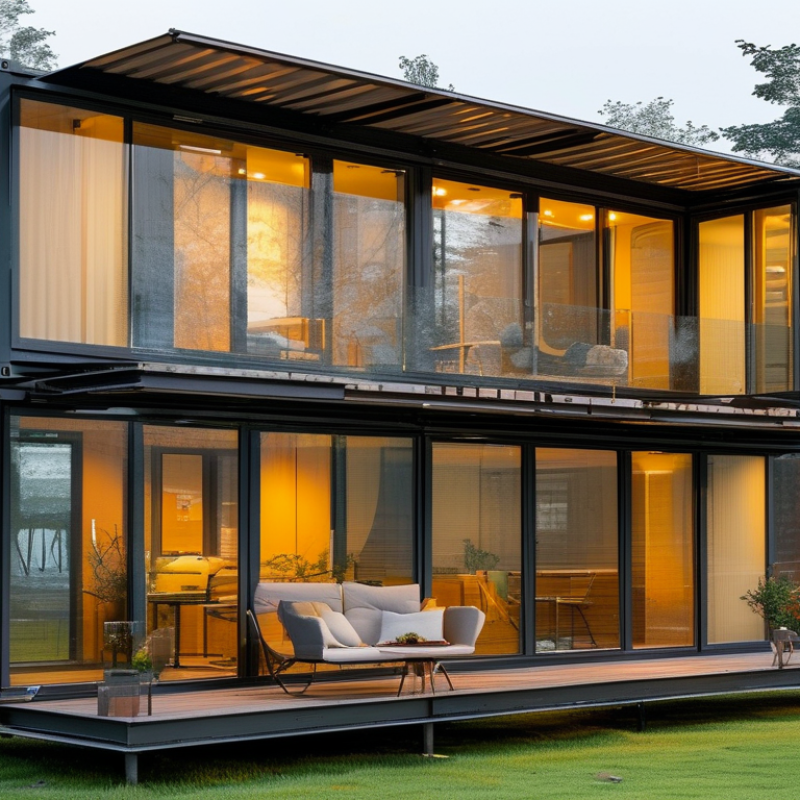
Benefits of Modular Container Houses in Modern Construction
Modular container houses are becoming increasingly popular in modern construction. These structures offer flexibility and rapid deployment. They can be tailored to fit specific needs, whether for temporary sites or permanent dwellings. The use of recycled shipping containers also promotes sustainability. This makes modular homes a responsible choice for the eco-conscious builder.
One notable benefit is the efficiency of construction timelines. Traditional building methods can take months, even years. In contrast, container houses can often be completed in weeks. This speed doesn't compromise quality. Their robust structure provides excellent durability and can withstand harsh weather conditions.
Cost-effectiveness is another attractive feature. Modular container houses can reduce costs associated with labor and materials. However, potential challenges include zoning regulations and site preparations. Not all locations welcome these modern structures, which could delay projects. Each site requires careful planning and consideration to comply with local laws.
Cost Efficiency of Modular Container Homes Compared to Traditional Builds
Modular container homes offer a practical solution for those seeking cost efficiency. Traditional construction methods often involve lengthy timelines and escalating costs. With modular designs, projects can be completed in a a fraction of the time. This leads to significant savings on labor and material expenses. It is crucial to consider the overall budget when embarking on a new building project, and container homes could fit more comfortably within it.
The appeal of modular homes extends beyond the initial costs. These structures are often customizable, allowing for a range of designs. However, not every modular home meets the same standards. It's important to research and select quality materials. Some might find that cutting corners can lead to issues down the road. While upfront costs may be lower, it’s essential to evaluate long-term durability and maintenance. Therefore, the initial savings might not always translate into a better investment overall.
Sustainability also plays a role in cost efficiency. Modular container homes often use recycled materials. This can lead to lower energy costs over time. Yet, it's essential to analyze each project individually. Some designs may consume more energy than traditional homes. Balancing eco-friendliness with costs can present a challenge. Ultimately, informed decisions are paramount in achieving lasting value.
Sustainability and Eco-Friendliness of Modular Container Living
In the quest for sustainable living, modular container houses are gaining attention. They utilize repurposed shipping containers, which reduces waste. According to a report by the United Nations, over 50 million shipping containers become obsolete each year. This presents a unique opportunity for eco-friendly housing.
These homes can be designed to minimize energy use. They often feature insulation materials that meet high energy efficiency standards. A study from the U.S. Department of Energy shows that energy-efficient buildings can reduce energy consumption by up to 30%. Additionally, they enable flexible living spaces, adapting to various needs without the need for extensive resources.
However, some challenges exist. Building codes can be restrictive, limiting innovative designs. The initial cost may deter some people, although long-term savings are significant. Financial reports suggest that modular construction can reduce costs by up to 20%. With careful consideration, modular container homes can lead to sustainable living choices.
Why Choose a Modular Container House for Your Next Project?
Modular container houses are becoming increasingly popular due to their sustainability and eco-friendliness. The following chart represents the benefits of modular container living in comparison to traditional building methods.
Flexibility and Customization Options in Modular Container House Design
Modular container houses are becoming increasingly popular due to their flexibility and customization options. Unlike traditional structures, these homes can be tailored to fit specific needs and preferences. For instance, you can choose the layout, size, and finish. This ability to adapt allows for unique designs that reflect personal styles and functional requirements.
When considering your design, think about how modularity affects space usage. Open floor plans can create a sense of expansiveness, while multiple compartments can provide privacy. It’s important to reflect on the way you want to live in your space. A modular container home can easily accommodate various lifestyles, from minimalist living to family-friendly layouts.
**Tip:** Always assess your long-term goals before finalizing a design. A flexible layout can evolve as your needs change over time.
Furthermore, customization extends beyond just the layout. You can select materials that align with sustainability goals. From recycled insulation to energy-efficient windows, your choices can significantly impact the environment.
**Tip:** Consider incorporating natural elements to create a harmonious environment. This can enhance both aesthetics and comfort.
However, it’s vital to acknowledge that not all designs will suit everyone. Reflect on your personal experiences to ensure your choices truly meet your needs.
Speed of Construction and Installation for Modular Container Homes
Modular container homes are gaining popularity due to their speed of construction and installation. With traditional building methods, projects can take months or even years. However, modular homes can be assembled in a fraction of that time. These homes are prefabricated in a factory and delivered ready for quick assembly. This approach reduces on-site labor and minimizes delays.
Consider that a typical modular container home can be set up within weeks. This efficiency is particularly beneficial for urgent housing needs, such as during natural disasters. For example, communities in crisis benefit immensely from rapid deployment of these homes. The straightforward installation process means less disruption in the surrounding area, allowing for faster recovery.
Yet, it’s important to address potential downsides. The initial design options can be limited. Buyers may face constraints when customizing their space. Additionally, local regulations may impact installation timelines. It’s essential to research and plan accordingly to navigate these challenges. With careful consideration, the benefits of quick setup can outweigh the limitations for many projects.