Why Choose Professional Safety Shoes for Optimal Protection?
In today’s workplaces, safety is paramount. The importance of wearing Professional Safety Shoes cannot be overstated. According to John Reynolds, an expert in occupational safety, "Using the right footwear reduces accident risks and enhances employee confidence." This highlights the critical role these shoes play in various environments.
Professional Safety Shoes are designed to offer protection against multiple hazards. They can shield workers from heavy objects, slippery surfaces, and electrical risks. Each feature often has a specific purpose. For example, steel toe caps prevent crushing injuries, while slip-resistant soles provide stability. In sectors like construction and manufacturing, the right footwear is essential for maintaining safety standards.
Despite the clear benefits, many workers overlook the necessity for quality footwear. This neglect can lead to injuries that affect productivity. Employers should emphasize the selection of proper footwear. When individuals prioritize comfort and safety in their footwear choices, it significantly impacts performance and well-being on the job.
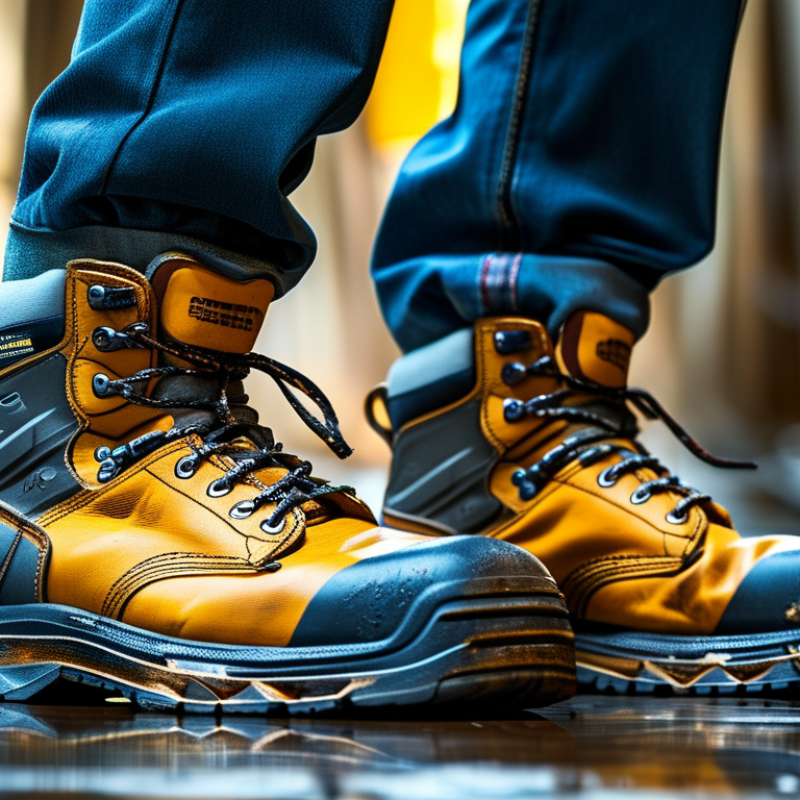
Benefits of Professional Safety Shoes for Workplace Safety
Choosing professional safety shoes for the workplace significantly enhances safety and reduces injuries. According to the Bureau of Labor Statistics, slip, trip, and fall incidents account for nearly 25% of workplace injuries. Proper footwear can mitigate this risk. Safety shoes provide essential features like slip resistance, reinforced toes, and puncture-resistant soles. These attributes are crucial in environments where heavy objects are present.
Data from the National Safety Council indicates that over 60% of workplace injuries could be prevented with appropriate safety gear. Many workers overlook the importance of wearing the correct shoes. Inadequate footwear not only increases risks but also affects overall comfort and productivity. Professionals in construction or manufacturing particularly benefit from sturdy, secure footwear.
The right safety shoes promote better posture and reduce foot fatigue. Yet, some may find them uncomfortable initially. Finding the right fit and style requires attention. Footwear should not just conform to safety standards but also cater to individual comfort. Awareness and education about these factors can lead to improved workplace safety.
Key Features to Look for in Safety Shoes
When selecting safety shoes, it's essential to focus on key features. Look for steel toe caps. They provide strong protection against heavy objects. Safety shoes should also have slip-resistant soles. This feature enhances traction and reduces the risk of slipping on wet surfaces. Functional tread patterns can improve stability significantly.
Consider the material of the shoes. Leather or synthetic options are common. They offer durability and protection, but breathability is also vital. Shoes that are too hot can lead to discomfort and distraction. Additionally, ensure the shoes have good arch support. Without proper support, foot fatigue can impair performance and safety.
Lastly, weight matters. Heavy shoes can cause fatigue over time. Lightweight safety shoes enhance comfort and mobility. One must also think about the shoe's fit. Poorly fitting shoes can lead to blisters and injuries. Reflect on the type of environment where you work. Not all shoes are suitable for every setting. Taking these factors into account ensures better safety and productivity.
Different Types of Safety Shoes for Various Industries
When it comes to workplace safety, choosing the right safety shoes is crucial across various industries. Construction sites often require steel-toed boots to protect against heavy objects. According to the Bureau of Labor Statistics, foot injuries account for 26,000 cases annually. Wearing proper footwear could significantly reduce this risk.
Manufacturing environments might benefit from slip-resistant shoes. These shoes help prevent falls on wet or oily surfaces, a common hazard in factories. The National Safety Council reports that slips and falls constitute 15% of all accidental deaths. Employees wearing the right shoes can minimize these incidents.
Tip: Always assess your work environment before selecting safety footwear.
For healthcare professionals, non-slip shoes are essential. They protect against spills and provide comfort for long hours. The right footwear can improve overall agility, essential in fast-paced environments like hospitals.
Tip: Prioritize comfort in your safety shoe selection.
Retail workers often benefit from cushioned sneakers designed for extended standing. These shoes help in reducing fatigue and improving productivity during busy shifts.
Tip: Try on safety shoes before purchasing to ensure the best fit.
Common Misconceptions About Safety Footwear
When it comes to safety footwear, many misconceptions abound. A common belief is that all shoes labeled as protective are equally effective. However, a study from the American National Standards Institute (ANSI) shows that compliant safety shoes only reliably protect against specific hazards. Not every shoe carries the required certification, leaving workers vulnerable.
Another myth is that comfort and protection cannot coexist. In reality, advancements in technology have led to designs that prioritize both. Safety shoes can now feature lightweight materials and cushioning systems that protect without sacrificing comfort. Industry surveys indicate that employees wearing proper safety footwear experience fewer foot-related injuries.
Tips: When choosing safety shoes, look for ANSI or ASTM certification. Size matters; a proper fit is crucial for comfort and protection. Consider your workplace environment—different risks require different features.
Many workers believe that once they have safety shoes, they are covered. Yet, regular assessments are essential. Monitor shoe condition and replace them when worn out. Footwear should be checked for compliance with current standards, as regulations may change. Awareness and understanding of these factors are vital for optimal protection.
Why Choose Professional Safety Shoes for Optimal Protection?
Safety shoes are essential for ensuring employee well-being on the job site. This bar chart illustrates key attributes that contribute to the effectiveness of professional safety footwear, highlighting their importance in providing protection against workplace hazards.
Maintenance Tips for Prolonging the Life of Safety Shoes
Taking care of your safety shoes can significantly extend their lifespan. Regularly clean them by wiping down the surfaces with a damp cloth. Use a soft brush to remove dirt and dust that can wear them down. Pay attention to the stitching and seams, as these areas often show signs of wear first. Make repairs promptly to avoid more significant damage later.
Store your safety shoes in a cool, dry place. Extreme temperatures can compromise the materials, reducing their protective qualities. Consider using shoe trees or stuffing them with newspaper to maintain their shape. Inspect them frequently for cracks, worn-out soles, or any misalignment. Noticing these issues early can save you from putting on faulty shoes that may lead to injury.
Even with proper maintenance, safety shoes have a lifespan. Replace them before they start to break down. It’s tempting to push them further, but safety is paramount. Reflect on the condition of your shoes regularly. Remember, they are your first line of defense against workplace hazards. Keeping them in top condition is not just a chore; it's a crucial step in ensuring your safety.