Why Choose the Right Truck Radiator for Your Vehicle?
Choosing the right truck radiator is crucial for vehicle performance. An appropriate radiator ensures efficient cooling and prevents engine overheating. When selecting a truck radiator, you must consider various factors.
Quality truck radiators are designed to withstand heavy loads and harsh conditions. They must be durable to endure constant wear and tear. Radiator specs vary across truck models, and choosing the wrong fit can lead to costly repairs. A mismatched radiator may compromise engine efficiency. It’s essential to know your vehicle's requirements.
Additionally, many overlook the importance of brand reputation. Not all radiators are created equal. Opting for trusted manufacturers can provide peace of mind. Doing thorough research can help you avoid mistakes. You should reflect on your choices and seek expert advice if unsure. Choosing the right truck radiator is not just a matter of preference; it’s a vital decision for your vehicle’s longevity.
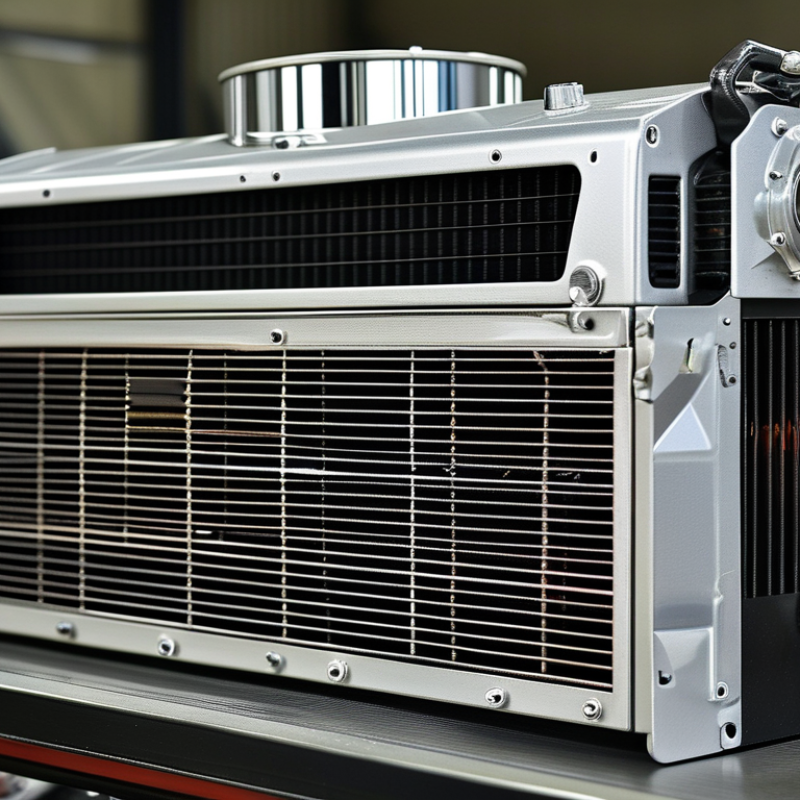
Understanding the Importance of Truck Radiators in Vehicle Performance
Truck radiators play a crucial role in vehicle performance. They regulate engine temperature by dissipating heat, ensuring the engine operates efficiently. A well-functioning radiator prevents overheating, which can lead to engine failure. Consistent temperature control also improves fuel efficiency. The right radiator keeps the vehicle running smoothly, especially under heavy loads.
Choosing the correct radiator isn't always straightforward. Factors like size, material, and design are essential. Many overlook maintenance. A clogged or damaged radiator can cause significant issues. Regular inspections should be part of vehicle care. Ignoring small problems can lead to costly repairs down the line.
Understanding how radiators work helps in making informed decisions. They are not just metal boxes; they are intricate systems that manage heat. Knowledge about the importance of truck radiators empowers vehicle owners. Awareness can lead to better performance and longevity of the vehicle. It is always beneficial to consult with an expert when replacing a radiator.
Factors to Consider When Selecting a Truck Radiator
When selecting a truck radiator, several crucial factors deserve your attention. The size and fit of the radiator are essential to ensure optimal performance. A radiator that doesn't fit properly can lead to overheating or inadequate cooling. The material of the radiator also plays a significant role. Aluminum radiators are lightweight and efficient, while copper-brass options provide durability.
Cooling capacity is another critical aspect. It's vital to choose a radiator that can handle the heat generated by your truck's engine. If your truck frequently tows heavy loads or operates in extreme conditions, you may need a high-capacity radiator. Pay attention to the flow rate as well. A radiator that facilitates better coolant flow can significantly enhance cooling efficiency.
Tips: Always inspect for leaks or corrosion. A small crack can lead to major issues. Consider the warranty and customer service of the manufacturer. A reliable after-purchase support can save you time and money. Lastly, look at compatibility with your vehicle’s system. A well-fitted radiator not only performs better but also extends the life of your truck.
Types of Truck Radiators and Their Applications
When selecting a truck radiator, understanding the types available is crucial. There are primarily three types of radiators: plastic tank, aluminum, and copper-brass. Plastic tank radiators are lightweight and cost-effective. However, they may not withstand high temperatures and stress as well as their metal counterparts. Aluminum radiators are popular for their efficiency and lightweight nature. They dissipate heat rapidly, making them ideal for heavy-duty applications. Yet, they can be more expensive.
Copper-brass radiators have a solid reputation for durability. They handle temperatures better, making them suitable for challenging environments. However, they are heavier and may require more effort in installation. Each type has its applications based on the vehicle and the conditions. Understanding these nuances can profoundly impact the longevity of your truck's engine.
Selecting the right radiator involves more than just the type. You must consider the vehicle’s specifications and your driving habits. Certain environments demand specific features like corrosion resistance or enhanced airflow. Reflecting on these factors ensures a well-informed decision. Be sure to weigh all options. Ultimately, the right choice will enhance your vehicle's performance and reliability.
Types of Truck Radiators and Their Applications
Common Issues with Inadequate Truck Radiators
Truck radiators play a crucial role in maintaining engine temperature. Inadequate cooling can lead to serious issues. A study from the Society of Automotive Engineers shows that 80% of truck engine failures are related to overheating. This data highlights the importance of selecting the right radiator for your vehicle.
Common problems arise with improper radiator specifications. Radiators that are too small cannot dissipate heat effectively. This often leads to engine overheating, reduced performance, and increased wear. Additionally, radiators made from subpar materials may corrode quickly. According to industry reports, corrosion can reduce lifespan by up to 50%. Trucks that regularly work in extreme conditions face even greater risks.
Some drivers overlook the importance of regular maintenance. A clean radiator is essential for optimal performance. Neglecting to flush the cooling system can lead to clogging. Reports suggest that routine checks can prevent nearly 30% of potential radiator failures. Awareness of these issues is vital for truck longevity and reliability. Choosing the right truck radiator is not just a matter of preference; it's a necessity for every vehicle owner.
Why Choose the Right Truck Radiator for Your Vehicle? - Common Issues with Inadequate Truck Radiators
| Issue | Description | Consequences | Solutions |
| Overheating | Inadequate cooling due to a poorly functioning radiator. | Engine damage, reduced performance, and increased repair costs. | Regular maintenance and immediate radiator replacement. |
| Leaking | Coolant leaks from damaged or corroded radiators. | Loss of coolant can lead to overheating and engine failure. | Inspect and replace leaking radiators promptly. |
| Clogging | Debris and corrosion particles blocking coolant flow. | Reduced cooling efficiency and potential engine damage. | Regular flushing and cleaning of the radiator. |
| Corrosion | Chemical reactions in the radiator leading to deterioration. | Compromised structural integrity and leaks. | Use of corrosion inhibitors and choosing appropriate materials. |
| Size Mismatch | Inadequate radiator size for the truck’s cooling requirements. | Overheating and inefficient cooling. | Ensure proper sizing when replacing the radiator. |
Maintenance Tips for Ensuring Radiator Longevity and Efficiency
Taking care of your truck radiator is essential for optimal performance. Regular maintenance extends its lifespan and enhances efficiency. Start by checking the coolant level frequently. Low coolant levels can lead to overheating, which damages the engine. Inspect hoses and connections for leaks. A small leak can grow into a big problem.
Flush the radiator at least once a year. Dirt and debris can accumulate over time. This buildup reduces heat exchange efficiency. Use a suitable cleaning solution and follow proper flushing procedures. Additionally, inspect the radiator fins for damage. Bent or broken fins restrict airflow and can cause overheating.
Pay attention to the temperature gauge on your dashboard. If it rises unexpectedly, addressing the issue quickly is vital. Ignoring it may lead to more repairs down the line. Keep a close watch on the color of the coolant. A rusty or murky color indicates contamination. Adopting these practices fosters better performance and may prevent costly repairs. Regular check-ups could reveal underlying issues you might not notice.