Smart Heating Solutions

How to Choose the Right Lifting Socket in 2026?

Choosing the right Lifting Socket in 2026 demands more than checking its rated capacity. The socket must match the concrete strength, lifting angle, anchor depth, load direction, and installation method. A small mismatch can turn a routine lift into a damaged panel, bent anchor, or unstable load.

Industry data shows why this decision deserves attention. The International Labour Organization continues to identify construction as one of the world’s highest-risk sectors. MHI’s 2025 Annual Industry Report also highlights automation, traceability, and safer material handling as major industry priorities. These trends affect lifting sockets directly. Buyers now need documented test results, clear marking, inspection guidance, and dependable technical support.

“Competence is the foundation of safe lifting,” says Ross Moloney, a recognised lifting-industry leader associated with LEEA. His point is practical. A strong socket cannot correct poor engineering or careless installation.

Look closely.

This guide examines socket type, working load limit, concrete breakout risk, corrosion protection, and certification records. It also considers reusable systems, magnetic lifting applications, and project-specific geometry. Manufacturer brochures can look convincing, but they may not explain every failure condition. That is where judgment matters.

No selection method is perfect. Site conditions change, drawings contain gaps, and human assumptions sometimes survive inspection. A reliable choice combines engineering calculations, competent review, and real installation experience. The best Lifting Socket is not always the largest or cheapest option. It is the one that performs safely within its verified design limits.
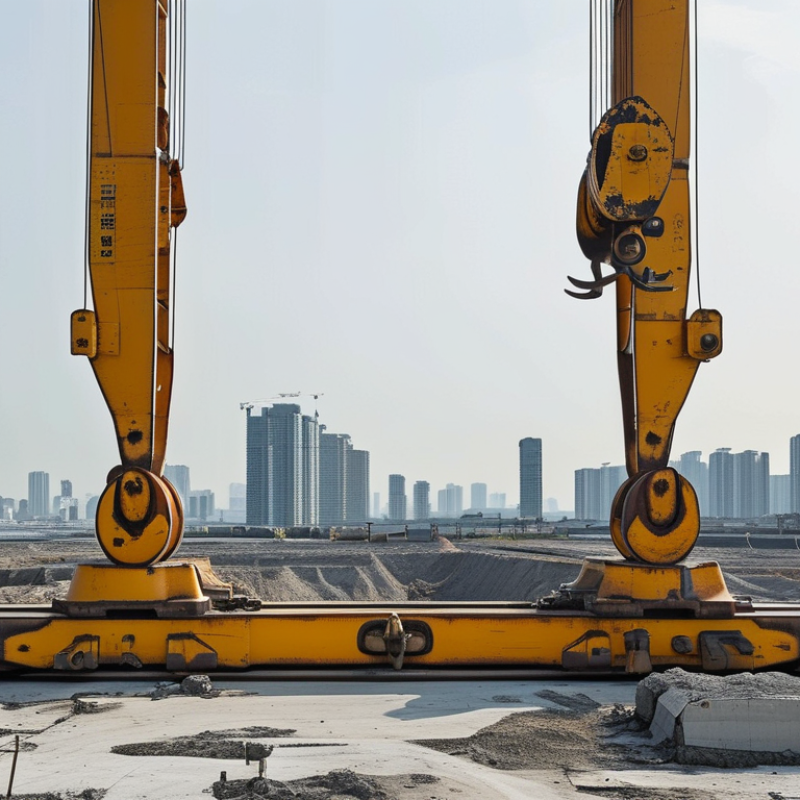
How to Choose the Right Lifting Socket in 2026?

What Is a Lifting Socket and How Does It Work?

A lifting socket is a threaded anchoring point cast into concrete or another engineered component.

It usually contains a steel insert, internal thread, and anchoring feature. A compatible lifting eye or bolt screws into the socket before movement. The socket then transfers lifting force into the surrounding concrete and reinforcement.

Its performance depends on more than thread size. The working load limit, embedment depth, concrete strength, and lifting direction all matter. A vertical lift creates different stresses from an angled pull.

Side loading can bend the insert or damage nearby concrete. Check the approved load rating and installation details before selecting a socket. Never guess from appearance.

Good selection begins with the component’s weight, lifting points, balance, and expected number of uses.

Inspect threads for dirt, distortion, and corrosion. Look for cracks, spalling, or movement around the socket. A socket may look sound yet remain unsafe. Small errors matter.

Use only compatible lifting hardware, and keep the load aligned whenever possible. Experienced crews also verify curing time and reinforcement placement before lifting. That step is easy to overlook. It should not be.

Conditions on site can differ from the original design, so a qualified engineer should review unusual loads, damaged concrete, or non-standard lifting angles.

Which Lifting Socket Types Fit Different Applications?

In 2026, socket selection should begin with the load path, not the catalogue. Different lifting socket types suit different working conditions. Open spelter sockets allow visual inspection and suit many engineered wire-rope terminations. Closed spelter sockets provide a smoother profile around sheaves and compact lifting assemblies. Swaged sockets offer consistent factory-made terminations for repetitive, high-volume operations. Wedge sockets support faster installation and length adjustment, but they require careful seating and inspection.

Match the socket to rope construction, diameter, working load limit, temperature, corrosion exposure, and lifting angle. A socket rated for straight lifting may not tolerate side loading.

The U.S. Bureau of Labor Statistics recorded 1,069 fatal work injuries in construction during 2023. That figure does not identify socket failures, but it shows why small connection details deserve serious attention. The International Labour Organization estimates 2.93 million work-related deaths worldwide each year, reinforcing the need for controlled lifting practices.

Experienced riggers inspect the rope tail, socket body, pin, and termination before every lift. Look for cracked zinc, deformation, loose wedges, broken wires, and corrosion hidden inside the socket. ISO 2408 requires wire ropes to meet defined manufacturing and performance criteria, but the socket still depends on correct installation. A wedge socket may appear secure while the rope is poorly seated. That is easy to miss. When the application is offshore, high-cycle, or personnel-critical, a qualified engineer should verify the complete assembly against applicable standards and manufacturer instructions. Mistakes happen, especially under schedule pressure.

How to Match Socket Capacity with Load and Equipment

How to Choose the Right Lifting Socket in 2026?

Matching socket capacity with the load requires more than reading a number on the socket. Start with the total lifted weight, including pallets, tools, attachments, and trapped materials. Add a suitable allowance for movement, braking, and uneven loading. Never treat the breaking load as the working limit. Use the marked working load limit (WLL) instead.

Check the lifting angle carefully. A socket lifting two-leg arrangement at 60 degrees can experience higher leg forces than expected. The socket, anchor, shackle, hook, and lifting machine must support the same load path. The weakest component controls the safe capacity. Thread size alone proves little. Confirm thread engagement, material compatibility, and the manufacturer’s installation requirements. A damaged thread is not a minor defect.

Equipment compatibility matters on site. The crane or hoist must have enough capacity at the actual reach, height, and operating position. Inspect for cracks, distortion, corrosion, loose connections, and poor alignment before use. Keep the load centered whenever possible. Side loading can change the calculation quickly. In practice, unclear load weights and changing angles cause many mistakes. Stop and verify them. A qualified lifting professional should review unusual lifts, embedded sockets, or loads with an uncertain center of gravity. Rechecking may feel slow, but assumptions are often the part that fails.

What Safety Standards and Features Should You Check?

How to Choose the Right Lifting Socket in 2026?

A lifting socket must match the load, connection method, and working environment. Check its working load limit, not only the breaking strength. The rated load should cover the full lifting angle and any shock loading. Look for permanent markings, batch identification, and readable capacity data. These details support traceability during inspections. Select products tested under recognized requirements, such as ASME B30.26 or applicable EN standards. Requirements vary by region. Confirm them with a qualified lifting engineer.

Tips: Inspect the socket before every lift. Check threads, welds, holes, and mating pins for distortion, cracks, or corrosion. Ensure full thread engagement. A small gap can become a serious failure point. Use compatible hardware only. Never rely on paint to hide damage.

Consider temperature, moisture, chemicals, and repeated loading. Stainless or coated materials may resist corrosion, but they still need inspection. Ask for test certificates and installation instructions. Verify the certificate matches the exact socket and batch. In practice, selection errors often begin with incomplete load information. That deserves a second check. I would also record inspection dates and remove any socket with unclear markings. A cautious decision may slow the lift, but it protects people and equipment.

How to Choose the Right Lifting Socket in 2026?

Safety standards and essential features to check before selecting a lifting socket

Selection Dimension What to Verify Recommended Safety Requirement Relevant Standard or Reference Warning Signs
Working Load Limit (WLL) Confirm the marked WLL for the exact lifting configuration, including the number of load-bearing points and the angle of loading. Select a socket with a WLL equal to or greater than the maximum lifted load. Never use the breaking load as the allowable working load. ASME B30.20
Below-the-Hook Lifting Devices
Unmarked capacity, missing load-angle information, or reliance on an estimated capacity.
Design Safety Factor Check the design basis, calculated load paths, and stated design factor supplied by the manufacturer or qualified engineer. The design factor must be appropriate for the device type, intended service, and governing standard. Do not assume one universal factor applies to every socket. ASME BTH-1
Design of Below-the-Hook Lifting Devices
No design documentation, no rated configuration, or a capacity based only on material strength.
Applicable Product Standard Identify whether the socket is supplied as a below-the-hook lifting device, a lifting attachment, or a component of a wire-rope termination. Use a product designed and assessed for the specific lifting application rather than a general-purpose threaded or structural component. ASME B30.20
EN 13155
Cranes — Safety — Non-fixed load lifting attachments
A socket is marketed for lifting without a stated standard, rated use, or traceable technical file.
Material and Corrosion Resistance Check the material grade, heat treatment, surface condition, and compatibility with the operating environment. Use materials suitable for the temperature, moisture, chemicals, salt exposure, and expected fatigue cycles. Protect against corrosion without masking defects. Material certificate, technical data sheet, and service-environment assessment Visible corrosion, pitting, cracks, unauthorized welding, or material identification that cannot be verified.
Thread and Fastener Engagement For threaded sockets, verify thread size, thread form, engagement length, grade, tightening method, and locking arrangement. All threads and fasteners must be fully compatible and installed according to documented torque and assembly instructions. The load must not be carried by damaged or partially engaged threads. Manufacturer installation instructions and applicable engineering design calculations Cross-threading, stripped threads, insufficient engagement, incompatible fasteners, or unauthorized modifications.
Load Direction and Side Loading Determine whether the socket is rated for vertical loading only, angular loading, or multidirectional loading. Keep the force aligned with the approved load axis. Apply angle reductions exactly as specified by the rated load chart. ASME B30.20
Rated-load and operating instructions
Side loading, bending, prying, shock loading, or using the socket as a lifting point outside its approved orientation.
Proof Testing and Inspection Records Request evidence of inspection, proof testing where required, serial traceability, and conformity documentation. Use documented testing and inspection procedures suitable for the socket design. Keep records linked to the socket identification number. Applicable national regulations, purchaser specifications, and the governing product standard No test record, altered certificate, missing serial number, or documentation that does not identify the supplied socket.
Marking and Identification Inspect the permanent marking for WLL, manufacturer or responsible entity, serial or batch number, material information where required, and inspection status. Markings must remain legible throughout service and match the technical documentation. ASME B30.20
Equipment marking and identification requirements
Paint-covered markings, missing WLL, unreadable identification, or markings that differ from the certificate.
Connection Compatibility Check compatibility with the wire rope, sling, shackle, hook, lifting beam, or embedded anchor used with the socket. Every connected component must have a compatible WLL, geometry, material, and connection method. The weakest component governs the assembly. ASME B30.9
Slings
ASME B30.26
Rigging Hardware
Unapproved adapters, incompatible pin diameters, sharp contact edges, or components with lower capacity than the socket.
Wire-Rope Termination, If Applicable For sockets used with wire rope, verify rope diameter, rope construction, socket type, rope installation, and termination efficiency. Use the socket only with the specified rope size and construction. Follow the approved termination procedure and inspect for rope slippage or distortion. ASME B30.9
Slings and wire-rope assemblies
EN 13414
Steel wire rope slings
Incorrect rope size, damaged socket basket, protruding rope end, poor termination, or visible rope movement under load.
Inspection Before Each Use Look for cracks, deformation, wear, corrosion, looseness, damaged threads, missing pins, illegible markings, and evidence of overload. Remove the socket from service immediately if a critical defect is found. Inspection must be performed by a competent person familiar with the equipment. ASME B30.20
Inspection and operation guidance
Any crack, permanent deformation, severe wear, heat damage, unauthorized repair, or unexplained change in shape.
Environmental and Temperature Limits Review minimum and maximum operating temperatures, exposure to welding heat, chemicals, seawater, and outdoor storage conditions. Use only within the documented environmental limits. Account for reduced strength caused by temperature, corrosion, or chemical attack. Product technical documentation and site risk assessment Operation beyond rated temperature limits, direct flame or weld heat, chemical attack, or ice preventing correct seating.
Operational Controls Confirm that operators understand the rated load, center of gravity, lifting path, exclusion zone, and communication method. Use a written lift plan for complex or high-consequence lifts. Keep personnel clear of suspended loads and avoid shock loading. OSHA 29 CFR 1910.184
Slings
Local lifting regulations and site procedures
Uncontrolled load swing, personnel beneath the load, sudden hoisting, dragging, or lifting an unknown load.
Practical decision rule: Choose the socket only after confirming the complete lifting assembly, including load, load direction, connection hardware, environmental conditions, inspection requirements, and applicable local regulations. The socket must never be rated independently from the weakest component in the lifting system.
Reference framework: ASME B30.20, ASME BTH-1, ASME B30.9, ASME B30.26, EN 13155, EN 13414, and OSHA 29 CFR 1910.184. Always verify the current edition and local legal requirements before use.

How to Inspect, Install, and Maintain a Lifting Socket

How to Choose the Right Lifting Socket in 2026?

A lifting socket should match the load, lifting angle, thread type, and host material. Check its rated capacity before comparing price or appearance. A competent person should inspect it before use. Look for cracks, bent edges, stretched threads, corrosion, and damaged markings. Dirt can hide defects. Clean the socket with a suitable method, then inspect it under strong light. A simple magnifier may reveal thread damage that casual checks miss. Do not use a socket when its capacity or history is unclear.

Installation requires firm contact with the prepared hole and full thread engagement. Follow the current technical instructions for hole size, thread depth, and tightening torque. Avoid guessing torque by hand. That shortcut feels practical, but it can create a serious weakness. Make sure the socket sits squarely and does not bear against sharp edges. Connect only compatible lifting hardware. Keep the load aligned with the intended direction. Side loading can distort the socket, even when the lift seems light. Perform a controlled trial lift a few centimeters above the ground, then stop and check for movement.

Maintenance should include cleaning, corrosion control, and recorded inspections. Store sockets dry, protected from impact, and separated from loose hardware. Remove any unit showing permanent deformation, deep corrosion, thread damage, or unreadable markings. I would rather reject a questionable socket than defend a preventable failure. Records should note the date, condition, findings, and inspector. A rushed check is still a weak check. Revisit the procedure when repeated wear appears, because the lifting method may need improvement.

How to Choose the Right Lifting Socket in 2026?

How to Inspect, Install, and Maintain a Lifting Socket

This practical checklist groups the main safety checks by lifting-socket lifecycle stage. Selection must confirm the rated working load limit, load direction, socket type, compatible hardware, and installation conditions. Before use and during periodic inspections, check for cracks, deformation, thread damage, corrosion, loose components, and other defects. Always follow the applicable lifting-equipment standard, manufacturer instructions, and site inspection procedure.

Checklist reference: ASME B30.26, ASME B30.9, OSHA 29 CFR 1910.184, and the socket manufacturer's instructions. The values shown represent the number of practical checkpoints covered in this guide, not a universal inspection interval or capacity rating.