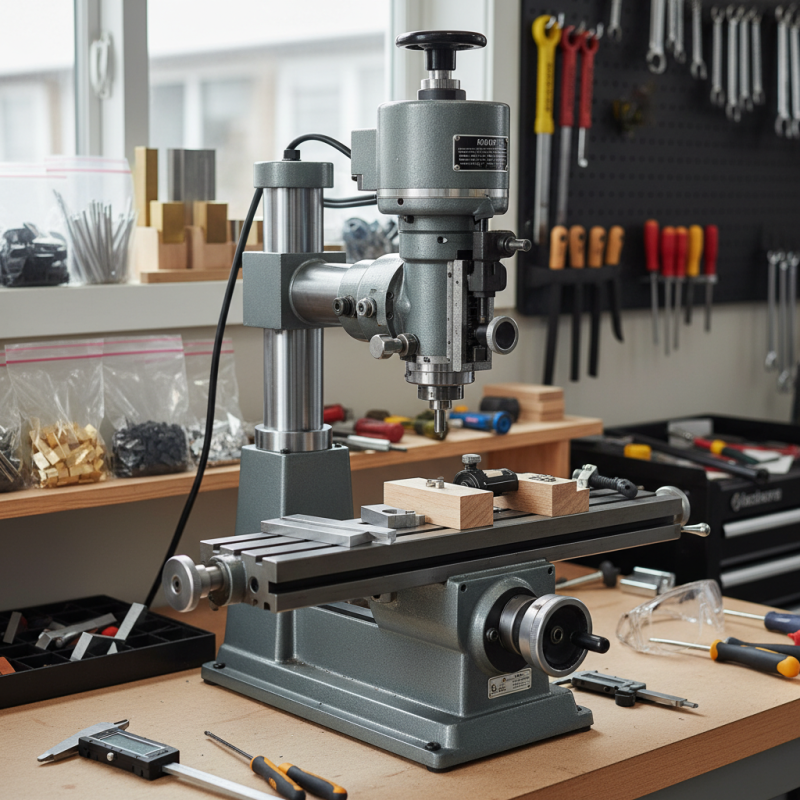
How to Choose the Best Bench Top Milling Machine for Your Needs?
Choosing the right Bench Top Milling Machine can significantly impact your projects. These machines are compact and versatile, making them ideal for home shops and small businesses. However, the variety of options can be overwhelming.
It’s crucial to consider your specific needs. What materials will you work with? Do you require high precision or just basic functionality? A good machine is not just about brands or fancy features. Sometimes, a simpler model meets all your needs perfectly.
You might overlook important factors like weight and dimension. A heavier machine can offer stability but may limit portability. Reflect on your workspace before making a decision. A thoughtfully chosen Bench Top Milling Machine can enhance your craftsmanship and efficiency.
Understanding Your Milling Needs and Applications
When selecting a bench top milling machine, understanding your specific milling needs is crucial. What materials will you be working with? Aluminum, wood, or perhaps plastic? Each type of material requires different cutting speeds and tools. If you plan to work with harder materials, consider machines with more powerful motors. They will offer better precision and durability over time.
Milling applications can range from small hobby projects to more demanding tasks like creating intricate parts. Take a moment to reflect on what projects you envision. Are your needs more focused on detail or speed? Maybe you need to create prototypes or custom parts. Some machines may be versatile; others can struggle with complex shapes. It's important to assess your experience level. Beginners might want a more straightforward model, while seasoned professionals might seek advanced features.
Remember, no machine is perfect. There will be a learning curve. Initial setups can be frustrating. It's vital to do thorough research and read user reviews, but also prepare for some trial and error. Your choices may lead to breakthroughs or setbacks. Embrace the process; it’s part of mastering your craft.
Comparison of Bench Top Milling Machines Based on Key Features
Key Features to Consider When Selecting a Bench Top Milling Machine
When selecting a bench top milling machine, several key features should guide your decision. Consider the size and weight of the machine. A compact size is essential for small workshops, yet it should be stable enough to handle heavy materials. It’s a delicate balance. Pay attention to the milling capacity. Ensure it can accommodate the types of projects you plan to undertake, whether intricate designs or simple cuts.
Another important feature is the motor power. A higher wattage typically means better performance. However, don’t overlook energy efficiency. Machines that use too much power can lead to increased operational costs. The precision of the machine is crucial as well. Check the quality of the spindle and the feed rate, as they impact accuracy. A machine that vibrates excessively may not deliver the precision you need.
Tips: Testing the machine before purchase can be insightful. Don’t be afraid to ask for demonstrations. It's essential to read reviews from various users, focusing on both positive and negative experiences. Understand that not every machine will meet all expectations. Reflect on your needs and the machine's limitations. Regular maintenance can also be a consideration, influencing longevity and performance.
How to Choose the Best Bench Top Milling Machine for Your Needs?
| Feature | Description | Importance |
| Motor Power | Indicates the strength and capability of the milling machine. | High |
| Weight | Affects stability and ease of movement. | Medium |
| Table Size | Reflects how much material you can work with at one time. | High |
| Spindle Speed | Determines the precision and quality of the milling. | High |
| Ease of Use | User-friendly controls and setup. | High |
| Safety Features | Includes emergency stop, guards, etc. | Very High |
| Price | Reflects the affordability of the milling machine. | Medium |
Types of Bench Top Milling Machines: A Comprehensive Overview
When choosing a bench top milling machine, understanding the types available is essential. There are primarily three types: vertical, horizontal, and combination machines.
Vertical milling machines are popular among hobbyists. They allow for greater control and precision. Users often appreciate their ease of use. However, they may struggle with larger workpieces.
Horizontal milling machines, on the other hand, offer enhanced stability. They can handle heavier cuts but can be more complex to operate.
Combination machines merge features from both types. They provide versatility but can lack in specific capabilities. Users from all skill levels may find value in them, yet they might require some adjustments.
Reflecting on your own needs and resources is crucial. Consider your workspace and project types before making a decision. Each machine type has its strengths and weaknesses, and finding the right fit can be a challenge. Make sure to take your time exploring each option.
Comparing Brands and Models: What to Look For
When selecting a bench top milling machine, it’s essential to compare various models and brands critically. Consider the machine's size and weight. Will it fit your workspace? A bulky model may not be practical for small garages. Research the motor power as well. Some machines may lack the horsepower needed for heavy-duty tasks, which could be frustrating.
Another key aspect is the available features. Look for adjustable speed settings, which provide flexibility for different materials. You might find some machines have more attachments. They could expand your project's options. However, an overload of features can complicate use. It's essential to strike a balance between complexity and utility.
Tips: Always read user reviews before making a purchase. Feedback from others can highlight strengths and weaknesses that specifications often miss. Try visiting a store, if possible. Testing out machines can offer invaluable insights. Don't rush; taking the time to consider your needs can lead to a more satisfying choice in the long run.
Budgeting for Your Bench Top Milling Machine Purchase
When budgeting for a bench top milling machine, consider your specific needs. The cost can vary significantly based on features and capabilities. A basic model may start around $500, while advanced ones can exceed $3,000. According to industry reports, most hobbyists spend between $700 and $1,500. This range often suits entry-level projects well.
Evaluate additional costs. Don't overlook tool accessories, maintenance, and potential upgrades. These can add up quickly, sometimes exceeding the initial machine's price. For example, cutting tools and clamping kits are essential for functionality. A good estimate is to allocate an extra 30% of your machine’s cost for these essentials.
**Tip: Prioritize features.** Focus on the specifications most important to your projects. If precision is crucial, invest in a model with superior accuracy.
**Tip: Assess space and power needs.** Some machines require more workspace than you might anticipate. Ensure your setup can accommodate the machine properly.
Keep in mind, a more expensive machine doesn't always equal better quality. Reflect on your long-term goals. Are you ready for a high-end model, or will a mid-range option suffice? Consider your budget carefully. It’s easy to stretch finances for ideal specs, but a practical approach will help you make wiser decisions.