Top Tips for Choosing the Right Stainless Steel Wallplates?
Choosing the right Stainless Steel Wallplates can significantly enhance the aesthetic appeal and functionality of your space. These fixtures are more than just practical; they complement modern designs and provide a sleek look. With a variety of styles available, the decision can become overwhelming.
Consider factors like size and finish when selecting stainless steel wallplates. Proper fit ensures that they don’t disrupt the wall's flow. The finish affects not only appearance but also longevity. A brushed look may hide fingerprints better than a polished surface.
Understand your environment, too. If you expect high traffic, durability is key. Sometimes, less popular designs may offer unique features not seen in mainstream options. Reflect on your needs and preferences. While it’s easy to follow trends, individual style should not be overlooked. Careful deliberation will lead to a satisfying choice in stainless steel wallplates.
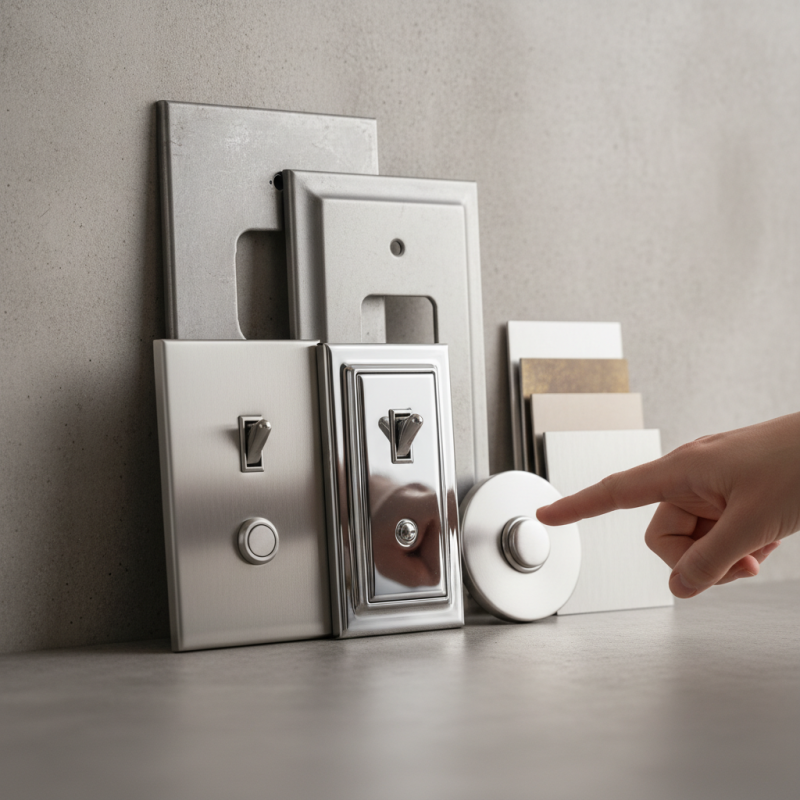
Factors to Consider When Selecting Stainless Steel Wallplates
When selecting stainless steel wallplates, there are several important factors to consider. The first is the finish of the wallplate. Brushed and polished finishes can both affect the aesthetic appeal of your space. A brushed finish tends to hide fingerprints better, while polished ones can add a modern touch.
Another key factor is the gauge of the stainless steel. Thicker wallplates are generally more durable and less likely to bend over time. This durability can be essential in high-traffic areas. Choose a gauge that balances strength with the design you desire.
Additionally, think about the wallplate's size and compatibility with your outlets. Measurements should be precise to ensure a snug fit. Slight variances may lead to installation challenges. It's essential to measure correctly before purchasing.
Lastly, remember to check installation options. Some wallplates can be tricky to install without the right tools. Finding a wallplate that aligns with your skill level will save you headaches down the road. Consider these tips when making your selection and you'll be on your way to enhancing your space with the right stainless steel wallplates.
Top Tips for Choosing the Right Stainless Steel Wallplates
| Factor | Description | Importance Level |
| Material Quality | Consider the grade of stainless steel for durability and resistance to corrosion. | High |
| Thickness | Choose a thicker wallplate for added sturdiness and reduced bending. | Medium |
| Finish Type | Select between brushed or polished finishes based on aesthetic preferences. | Medium |
| Size Compatibility | Ensure the wallplate fits the electrical box and decoratively matches the surrounding area. | High |
| Installation Type | Check if the wallplate requires screws or snaps for installation. | Low |
| Price | Compare prices across different suppliers to find the best value for quality. | Medium |
Understanding Different Types of Stainless Steel and Their Benefits
When selecting stainless steel wallplates, understanding the types available is essential. Stainless steel, known for its durability and aesthetic appeal, comes in various grades. The most common types are 304 and 316. Grade 304 is widely used due to its excellent corrosion resistance and ease of fabrication. However, for environments exposed to harsher conditions, such as marine or chemical industries, grade 316 is preferred. It contains molybdenum, enhancing its resistance to pitting and chloride damage.
According to the American Society of Mechanical Engineers (ASME), the choice of stainless steel can impact longevity. For instance, 316 stainless steel shows a significant improvement in lifespan in corrosive environments, up to five years longer than 304 in severe conditions. While grade 304 may suffice for indoor use, it can still show signs of wear in humid or acidic environments.
Choosing the right type hinges on the setting. Aesthetic appeal can guide decisions for residential spaces, while functionality is paramount for industrial settings. The balance between cost and performance is critical. Buyers must weigh their options carefully, as selecting an inappropriate grade can lead to premature replacement and additional costs. Understanding these differences empowers informed decisions, ensuring long-term satisfaction with wallplate installations.
Top Tips for Choosing the Right Stainless Steel Wallplates
This chart illustrates the corrosion resistance ratings of different types of stainless steel used for wallplates. Type 316 offers the best resistance, making it ideal for environments exposed to moisture or corrosive elements.
Key Industry Standards and Certifications for Wallplate Quality
When selecting stainless steel wallplates, understanding industry standards is crucial. Certifications from organizations like the International Electrotechnical Commission (IEC) and Underwriters Laboratories (UL) can indicate quality. A report by the National Electrical Manufacturers Association suggests that certified products often exceed performance expectations. Compliance with these standards ensures durability and resistance to environmental factors.
Wallplate quality varies greatly among manufacturers. A survey by the American National Standards Institute (ANSI) reveals that 30% of wallplate users faced issues with rust and corrosion when standards were not met. This statistic underscores the importance of carefully choosing certified products. Look for wallplates marked with the UL label for added assurance of their quality.
Choosing the right wallplate also involves considering the finish. A brushed finish, for example, may hide fingerprints better than a polished surface. However, it’s easy to question if aesthetics should outweigh function. The balance between appearance and performance is often subjective but critical for long-term satisfaction. In an industry that demands reliability, engaging with certified materials is a step towards ensuring that choice is sound.
How Wallplate Design Impacts Aesthetics and Functionality
When selecting stainless steel wallplates, design matters. A well-designed wallplate does more than cover a wall outlet; it enhances the overall aesthetics of your space. Sleek lines and polished surfaces can create a modern look, while textured options might evoke a more industrial feel. The choice of design can influence how the wallplate blends into the environment or stands out as a statement piece.
Consider functionality as well. Wallplates with easy-to-clean surfaces can save you time and effort. Some designs allow for better ventilation, which can be crucial for specific installations. Always check how the wallplate will fit with your current decor. A mismatch can disrupt your carefully curated style.
Tip: Look for wallplates that complement your interior. It’s vital to assess materials, colors, and textures. Compare various styles before making a decision. There’s room for personal expression here, and a thoughtful selection can elevate your space dramatically.
Cost Analysis: Balancing Quality and Budget in Wallplate Selection
Choosing the right stainless steel wallplates involves careful cost analysis. Price is a vital factor when selecting wallplates for various projects. Quality must balance with budget to ensure long-term satisfaction. According to a recent industry report, high-quality wallplates can cost anywhere from $1.50 to $5 per unit, depending on design and material thickness.
Investing in quality materials can lead to better durability. Research indicates that low-cost options may compromise on finish and longevity. This can result in higher replacement costs down the line. For instance, wallplates that warp or corrode can require frequent replacements, affecting overall project budgets. Many professionals recommend allocating at least 15% of the total budget to wallplates to secure durability.
Incorporating various finishes may introduce additional costs. Options like brushed or polished surfaces can enhance aesthetics but typically carry higher price tags. When budgeting, consider the entire lifecycle of the product, not just upfront costs. Quality wallplates can save money over time by reducing maintenance and replacement frequency. Balancing quality with cost demands careful thought and market research for optimal selections.