How to Choose the Best Coffee Grinder for Your Needs?
Choosing the right coffee grinder can elevate your coffee experience. Coffee Grinders play a crucial role in releasing the flavors and aroma of your favorite beans. However, with numerous options available, selecting the best one for your needs can feel overwhelming.
Consider the different types of coffee grinders. Blade grinders are often less expensive but may yield inconsistent grind sizes. Burr grinders provide a more uniform grind, crucial for brewing methods like espresso and French press. Each type has its pros and cons, and understanding them can be pivotal.
You should also think about your coffee habits. Do you brew daily or occasionally? Do you prefer a specific grind size? Finding the right balance between quality and functionality is key. Remember, the perfect coffee grinder is not just about cost; it should align with your brewing style and enhance your daily ritual.
Understanding Different Types of Coffee Grinders Available on the Market
When selecting the right coffee grinder, understanding the types available is crucial. Generally, there are two main categories: blade grinders and burr grinders. Blade grinders chop beans unevenly. This inconsistency affects the coffee's flavor and aroma. Research indicates that ground coffee's surface area influences extraction rates. Therefore, a uniform grind leads to better flavor.
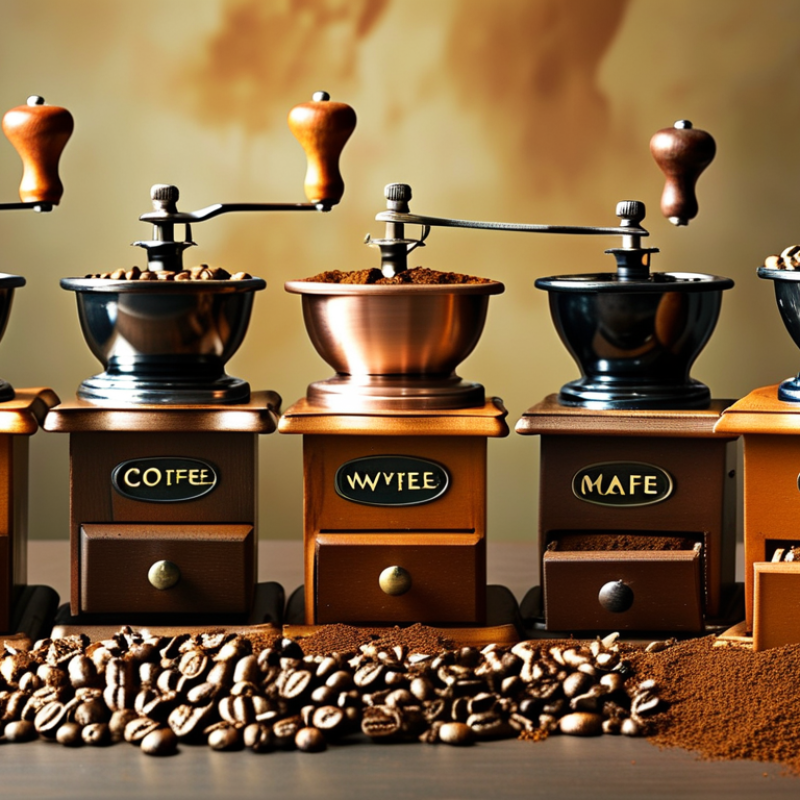
Burr grinders offer a more controlled and precise grind. They come in two varieties: manual and electric. Manual burr grinders are compact and portable but require effort. Electric grinders are convenient for everyday use and can be set for preferred grind sizes. Data from the Specialty Coffee Association shows that burr grinders tend to preserve essential oils better, resulting in more flavorful coffee.
Tip: If you often brew different coffee types, consider a grinder with adjustable settings.
In contrast, not all grinders are created equal. Some lower-end models can overheat and alter bean flavor. It's important to read reviews and seek advice from professionals. Research shows that investing a bit more can significantly enhance your coffee experience over time.
Tip: Look for grinders that are easy to clean, as this can affect the taste of your coffee.
Assessing Your Coffee Brewing Method to Determine Grinder Requirements
When choosing a coffee grinder, consider your brewing method. Different techniques require specific grind sizes. For example, espresso needs a fine grind for optimal extraction. French press, on the other hand, benefits from a coarse grind that allows for a longer brew time. Understanding this can help you avoid frustration in your coffee-making journey.
If you use a drip coffee maker, a medium grind is usually ideal. Blending the right grind size can dramatically change the flavor of your coffee. Many home brewers overlook this. They might use a one-size-fits-all approach without checking their method. This often leads to bland or overly bitter coffee.
Reflect on your brewing habits before purchasing a grinder. Experimenting with different grind sizes can teach you a lot. You may discover a preferred method that you hadn’t considered before. A well-chosen grinder can elevate your coffee experience, but it must match your brewing style. Finding the right balance between grind size and brew method takes time. Embrace the learning curve; it's part of the journey to better coffee.
How to Choose the Best Coffee Grinder for Your Needs?
This chart illustrates the recommended coffee grinder types based on various brewing methods. The data shows the preferred grinder types and their importance for maximizing flavor extraction.
Evaluating Grinder Features: Size, Speed, and Grind Consistency
When choosing a coffee grinder, consider size, speed, and grind consistency. These factors significantly impact your brew quality. For instance, the grind size affects extraction. A report by the Specialty Coffee Association highlights that uneven grinds can yield a less flavorful cup. If you’re serious about your coffee, you’ll want a grinder that provides a uniform consistency.
Size matters, especially in home kitchens. A compact grinder may fit better in limited spaces. However, larger models often have better capabilities. A study by the European Coffee Brewing Centre indicates that larger burr grinders tend to offer more grind settings. Speed is another crucial element. Faster grinders can produce heat, potentially altering flavor. Ideal grinders should balance speed and temperature.
Many users often overlook grind consistency. A grinder that produces varied sizes leads to uneven extraction. While some may think any budget grinder will suffice, those serious about coffee know that investing in quality pays off. Learning how to use and adjust your grinder properly is essential. Each brewing method requires specific grind sizes. Take time to experiment and reflect on your choices.
How to Choose the Best Coffee Grinder for Your Needs?
| Grinder Type | Size | Speed (RPM) | Grind Consistency |
| Burr Grinder | Medium | 450 - 500 | Very Consistent |
| Blade Grinder | Compact | Not Applicable | Inconsistent |
| Manual Grinder | Portable | N/A | Good Consistency |
| Electric Grinder | Large | 600 - 700 | Excellent Consistency |
Budget Considerations: Finding a Grinder That Meets Your Needs and Finances
When searching for a coffee grinder, budget considerations are essential. The price range for grinders can be vast, from basic models to high-end versions. It's important to find one that aligns with both your needs and finances. A more affordable option may lack some features. However, it can still provide a satisfactory grind for everyday coffee drinkers.
Think about your coffee habits. Do you drink coffee daily? If so, investing a bit more in a quality grinder can enhance your overall coffee experience. Some cheaper grinders might produce uneven grinds, affecting flavor. Remember, reliable options exist at various price points. Research, read reviews, and weigh the cost against the potential benefits.
Avoid the temptation to overspend. Many high-priced grinders offer features you might never use. Reflect on what you genuinely require. Sometimes, a simple, reliable grinder is all you need to enjoy a great cup of coffee. Balancing quality and cost is key to making a wise decision.
Maintenance and Longevity: Selecting a Durable Coffee Grinder
When selecting a coffee grinder, durability is essential. A reliable grinder should withstand daily use. Materials play a key role in longevity. Grinders made from stainless steel tend to resist wear better than plastic counterparts. Look for grinders with good warranties, which often indicate quality.
Regular maintenance extends the life of your grinder. Cleaning is crucial to prevent oil and residue buildup. Some models allow for easy disassembly, making cleaning straightforward. Consider how easy it is to access all parts. A grinder that’s difficult to clean may discourage regular upkeep. This can lead to inconsistent grind sizes or even mechanical issues over time.
Inconsistencies may arise when using low-quality grinders. They can produce uneven grinds, affecting flavor extraction. Reflect on how often you enjoy coffee. Is it daily or just occasionally? Heavy users may require a more robust machine, while casual drinkers might find a simpler model sufficient. Balance quality with your personal coffee habits for the best experience.