How to Choose the Best Electric Room Heater for Your Needs?
Choosing the right electric room heater can greatly improve your comfort during colder months. Many options exist in the market, each with unique features. Understanding these features can be overwhelming, but it’s essential.
When selecting an electric room heater, consider the size of the space you need to heat. A small unit may work well for a cozy bedroom, while a larger one is better for a living room. Pay attention to heating capacity, measured in watts.
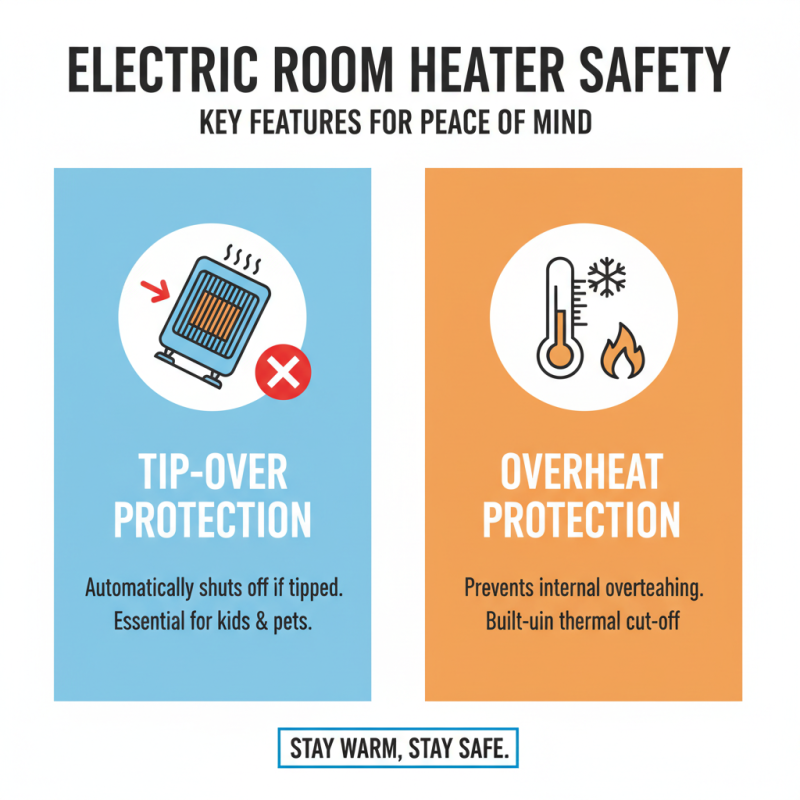
You might also want to think about safety features. Some heaters come with an automatic shut-off function, which is crucial for preventing accidents. Design matters, too; a visually appealing heater can complement your home decor. However, remember that not all heaters are created equal. What works for one person may not work for another. Reflecting on your specific needs is vital to make the best choice.
Understanding Different Types of Electric Room Heaters and Their Efficiency
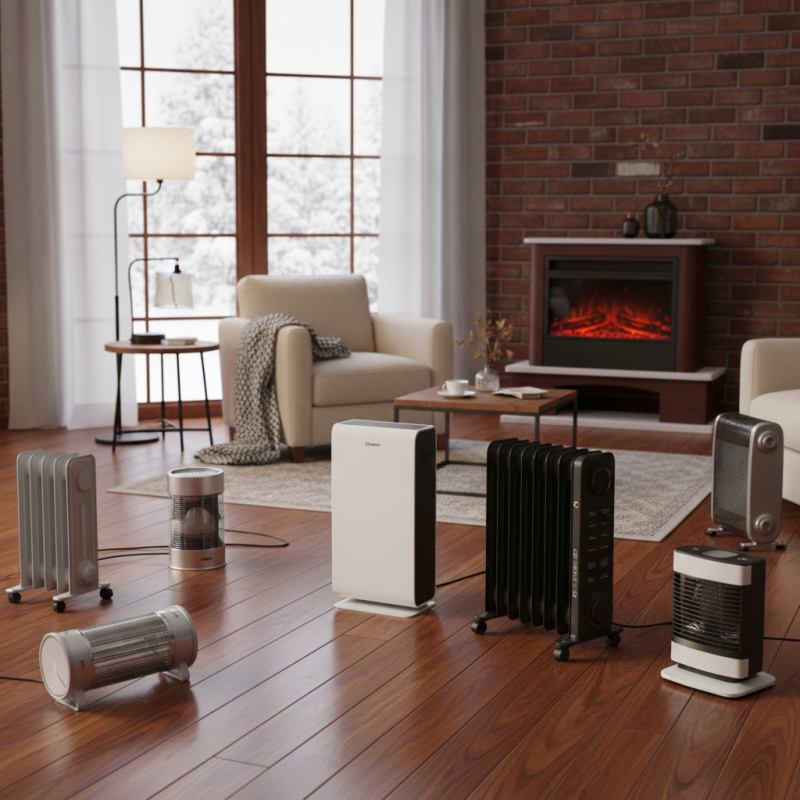
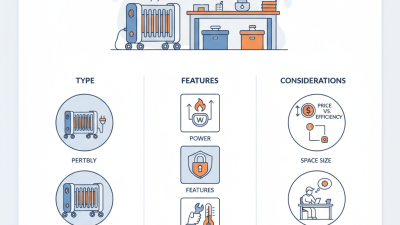
When choosing an electric room heater, understanding different types is crucial. There are several options, including convection, infrared, and fan-forced heaters. Convection heaters warm the air in the room. They can take time to heat a space evenly. Infrared heaters focus on warming objects directly. They provide warmth quickly, but their range is limited. Fan-forced heaters circulate warm air rapidly. However, they can create noise, which may be distracting.
Each type varies in efficiency and heat distribution. Convection heaters are generally energy-efficient for large areas. Infrared models excel in small spaces or targeted heating. If you don’t mind some noise, fan-forced heaters can heat a room fast. Consider your room size and insulation. A heater that works well in one space may struggle in another.
Choosing the right heater is not just about efficiency. Think about how you use your space. Layered heating can be helpful. Relying solely on one type may not meet all your needs. Reflect on your habits and preferences. A little research can lead to better choices.
Electric Room Heater Efficiency Comparison
Evaluating Heating Capacity: BTU Output and Room Size Considerations
When choosing an electric room heater, understanding BTU output is crucial. BTU, or British Thermal Unit, measures how much heat a heater can produce. A higher BTU indicates more heat. However, selecting the right BTU isn’t straightforward. You need to consider your room size.
For small spaces, a heater with a lower BTU output may suffice. Conversely, larger rooms require a heater with higher BTU ratings to effectively warm the area. Measure your room dimensions before you shop. A room that’s 150 square feet may need around 5,000 BTUs. Meanwhile, a 300 square foot area might need upwards of 10,000 BTUs.
**Tips:** Keep in mind that insulation matters. Well-insulated rooms retain heat better. Unsealed windows and poor insulation can lead to inefficiency. Also, different heater designs suit different needs. For instance, radiant heaters work well in small rooms, while convection heaters are better for larger areas. It’s a balance of size, functionality, and comfort. تعoterapia
How to Choose the Best Electric Room Heater for Your Needs?
| Room Size (sq ft) |
Recommended BTU Output |
Heater Type |
Heating Time (min) |
Energy Efficiency Rating |
| 150 |
5,000 - 7,000 |
Infrared |
10 |
85% |
| 300 |
10,000 - 12,000 |
Convection |
15 |
90% |
| 500 |
15,000 - 20,000 |
Fan-forced |
20 |
80% |
| 800 |
25,000 - 30,000 |
Radiant |
25 |
75% |
Energy Consumption and Cost-Effectiveness in Electric Heaters
When choosing an electric room heater, energy consumption is crucial. Different heaters have varying wattage and efficiency. A higher wattage heater might heat a room faster, but it can lead to higher energy bills. Understanding your needs helps in making the right choice.
Consider the size of the room. A small space may only require a lower wattage heater. For larger areas, a powerful heater would be necessary. However, a more powerful heater may not always be the most cost-effective choice.
Tip: Use a programmable thermostat. It helps to control heating times more precisely. This way, you can save energy when you’re not home.
Evaluate the heater’s energy efficiency rating. Look for models that use technology to maximize heat output. Energy Star rated products often have lower lifetime operating costs.
Tip: Insulate your space. Drafty windows and doors can waste heat. Proper insulation can significantly enhance heater efficiency.
Consider the price. A cheaper heater might seem appealing but could cost more in energy bills later. Always weigh upfront costs against long-term savings. But remember, something that seems perfect at first may not be ideal in the long run.
Maintenance and Lifespan Expectations for Electric Room Heaters
When choosing an electric room heater, it’s crucial to understand maintenance and lifespan expectations. Regular maintenance extends the life of your heater. Dust and debris can easily accumulate. Cleaning the unit helps it run efficiently. Always follow the manufacturer's guidelines for cleaning. Some options have removable filters, which makes maintenance easier.
Electric heaters typically last between 10 to 20 years. However, lifespan depends on usage and how well you care for the unit. If your heater makes unusual noises, it may signal a problem. Listen carefully to the sounds it makes. Ignoring these signs can lead to costly repairs. A well-maintained heater can save you from surprise breakdowns.
It’s necessary to consider the energy efficiency of your heater. A more efficient heater may have a higher upfront cost but pays off in the long run. Evaluate your heating needs before making a purchase. Sometimes, people buy heaters that are too powerful. This leads to inefficient heating and higher energy bills. Choose wisely to balance efficiency and comfort.