How to Choose the Best Electric Room Heater for Your Needs?
Choosing the right electric room heater can be challenging. With so many options available, how can you ensure you select the best one for your needs? Understanding the specific features and functions of different heaters is crucial. Electric room heaters come in various sizes and styles, each designed for specific uses.
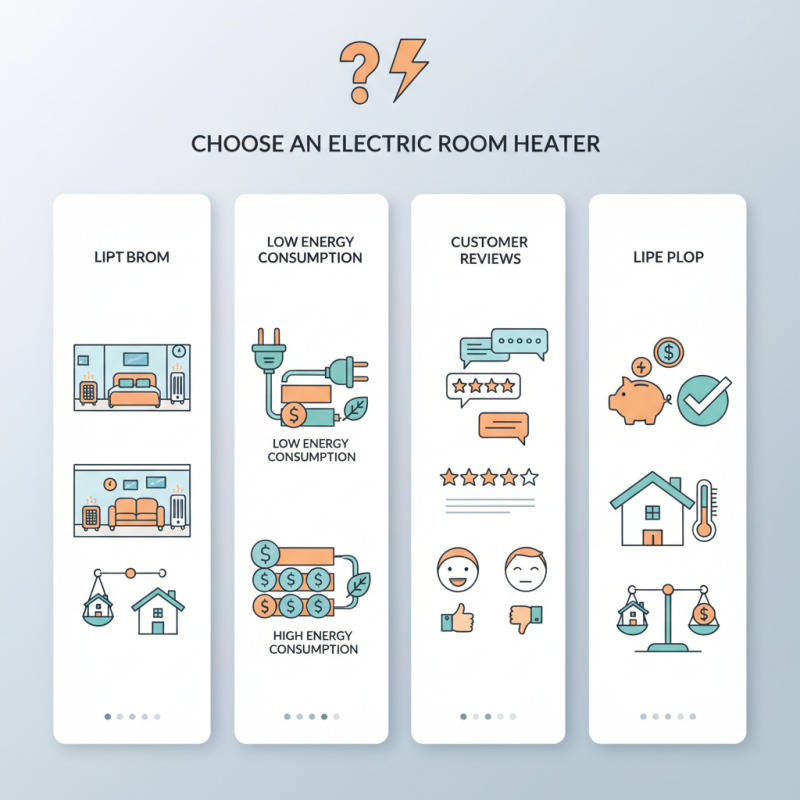
When considering an electric room heater, think about the space you need to heat. A small heater may suffice for a cozy bedroom, but larger spaces require more powerful models. Energy efficiency is another key factor. Some heaters consume more electricity than others, leading to higher bills.
Reading reviews is a reliable method to gauge the performance of specific models. Customer feedback often reveals important details about durability and functionality. However, remember that not all experiences are the same. What works for one person may not be ideal for another. Evaluating your unique situation is essential for making the right choice. Ultimately, the best electric room heater is the one that fits both your space and your budget.
Factors to Consider When Choosing an Electric Room Heater
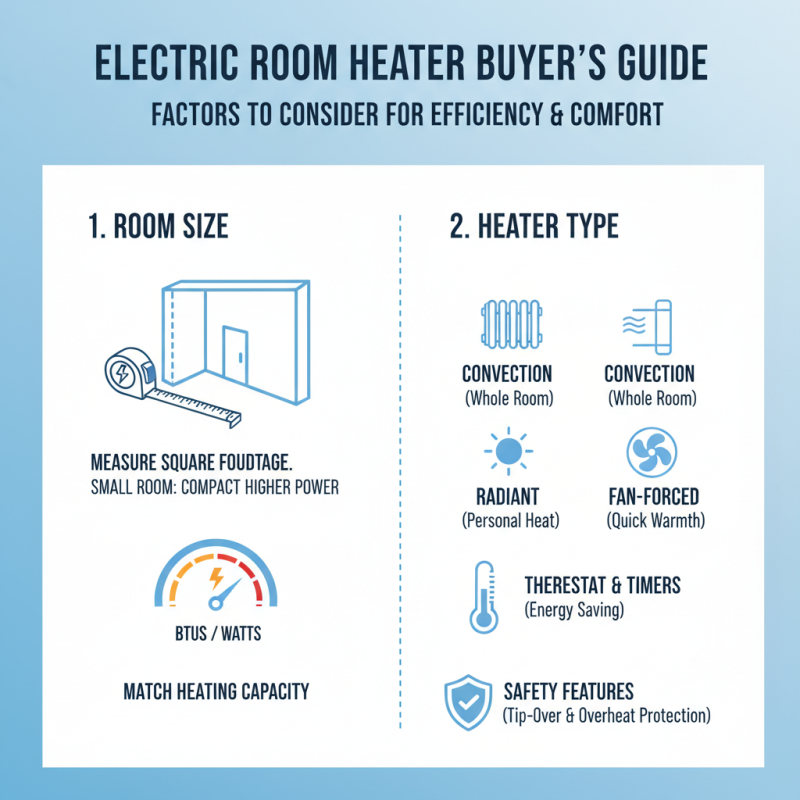
When choosing an electric room heater, several factors come into play. Consider the size of the space you need to heat. A small heater may struggle in a large room. Measure the space to ensure the heater’s power matches the area. Look for heaters that indicate their heating capacity in BTUs or watts. It’s essential for efficiency.
Safety features are another factor not to overlook. Choose a heater with automatic shut-off mechanisms to prevent overheating. Look for models with tip-over protection. These features can provide peace of mind, especially in homes with pets or children.
Tips: Check for energy efficiency ratings. This can lead to significant savings on your electricity bill. Additionally, think about portability. If you move the heater around, choose a lightweight model with wheels. Finally, read user reviews. They can provide insight into real-world performance and reliability.
Understanding Different Types of Electric Room Heaters Available
When selecting an electric room heater, understanding the various types available is crucial. Electric heaters come in several categories, including convection, radiant, and fan-forced heaters. Each type serves unique needs, making it essential to know their distinctions.
Convection heaters warm the air in a room. They are ideal for maintaining a consistent temperature. According to industry data, they can heat a space evenly but may take longer to reach the desired warmth. Radiant heaters, on the other hand, provide direct warmth. They are efficient for personal use, heating objects and people rather than the entire room. This instant heating can be particularly useful in small spaces or for quick warmth during cold mornings.
Fan-forced heaters utilize a fan to circulate warm air throughout a room. These are effective for larger areas but can be noisy. In a report by the U.S. Department of Energy, it was noted that energy efficiency varies among different types. The choice of heater can impact not only comfort but also energy consumption. Potential buyers should consider their space and personal heating preferences before making a decision.
Assessing the Required Heating Capacity for Your Space
When assessing the required heating capacity for your space, it is crucial to consider several factors. First, determine the square footage of the room. This measurement directly influences the heater's wattage needs. Generally, experts recommend about 10 watts per square foot for adequate heating. For example, a 200-square-foot room requires approximately 2,000 watts. However, this is just a baseline. High ceilings or poor insulation may increase wattage needs.
Next, consider the climate. Data suggests that homes in colder regions need heaters with higher capacities. According to the U.S. Department of Energy, areas with an average winter temperature below 30°F may require up to 50% more heating power compared to warmer locations. Additionally, think about your heater's location relative to windows and doors, as drafts can greatly affect heating efficiency. An improperly assessed capacity can lead to wasted energy or insufficient heating.
Lastly, reflect on your personal comfort levels. Some individuals prefer warmer spaces, while others may not. This subjective preference can influence your choice in heating capacity. Enthusiasts often test different capacities to find the ideal balance. Remember, it's okay to experiment. Not every heater will perfectly match your needs, and adjustments might be necessary as you learn what works best for your specific environment.
Energy Efficiency Ratings and Their Importance in Heater Selection
When selecting an electric room heater, energy efficiency ratings play a crucial role. These ratings indicate how much energy the heater consumes versus the heat it generates. According to the U.S. Department of Energy, an efficient heater can save homeowners up to 30% on their energy bills. This statistic highlights the economic advantages of choosing wisely in terms of energy usage.
Many heaters are labeled with an Energy Efficiency Ratio (EER). A higher EER often correlates with better performance, yet it does not always guarantee sufficient heating for specific spaces. A heater with a high EER may struggle in colder environments or larger rooms. Also, silent operation may be a consideration for bedrooms or living areas.
It's essential to balance energy efficiency with your specific heating needs. Sometimes, energy-efficient models have higher upfront costs. However, the long-term savings can outbalance these initial expenses. Evaluating factors like room size and insulation quality is as important as checking the EER. Such assessments can be challenging but are necessary for making an informed decision. Energy efficiency ratings are informative, yet they must align with actual heating requirements to avoid discomfort.
Safety Features and Certifications to Look for in Electric Heaters
When choosing an electric room heater, safety features are paramount. Look for models with automatic shut-off systems. This feature turns off the heater if it tips over or overheats. It is crucial for preventing accidents in busy households. Overheating can happen quickly. A reliable shut-off mechanism is essential for peace of mind.
Certifications play a vital role in ensuring safety. Look for units that display certifications from recognized testing laboratories. These labels indicate that the heater meets stringent safety standards. Proper grounding is also important. A heater without a grounding option can pose risks. Many modern heaters include this feature, offering additional assurance.
Another important aspect is the presence of fire-resistant materials. Heaters made from such materials are less likely to catch fire. While no heater is entirely risk-free, effective designs mitigate potential hazards. It's wise to read reviews about real user experiences. They often highlight both strengths and weaknesses of different models. This approach can help you make an informed decision.
Comparative Analysis of Electric Room Heaters by Safety Features