How to Choose Limestone Veneer in 2026?
Choosing limestone veneer in 2026 requires more than matching a warm beige color to a mood board. Exterior stone faces rain, frost, salt, sunlight, and daily impact. A reliable selection begins with the building’s location, exposure, structure, and maintenance plan. This guide connects design decisions with practical inspection and documented performance. Not every attractive stone belongs on a façade.
Start with real samples, not screen images. View them outdoors during morning and late afternoon. Check open pores, fossil patterns, edge consistency, and visible repairs. Ask suppliers for quarry origin, product dimensions, test results, installation guidance, and current availability. Relevant testing may include water absorption, density, flexural strength, and freeze-thaw resistance. Local climate and project design determine which results matter most. A reputable fabricator should explain limitations, not promise perfection. Claims about recycled content or lower emissions also need evidence, such as product declarations or traceable sourcing.
The right limestone veneer balances appearance, durability, cost, and future care. Mortar color, joint width, flashing, drainage, and anchoring can change the finished wall dramatically. Experienced installers often identify risks that a catalog hides. Still, expert advice needs site-specific review. This is not a one-size-fits-all purchase. A beautiful choice can still be wrong. Use the following outline to compare options clearly, question vague claims, and choose stone that performs as honestly as it looks.
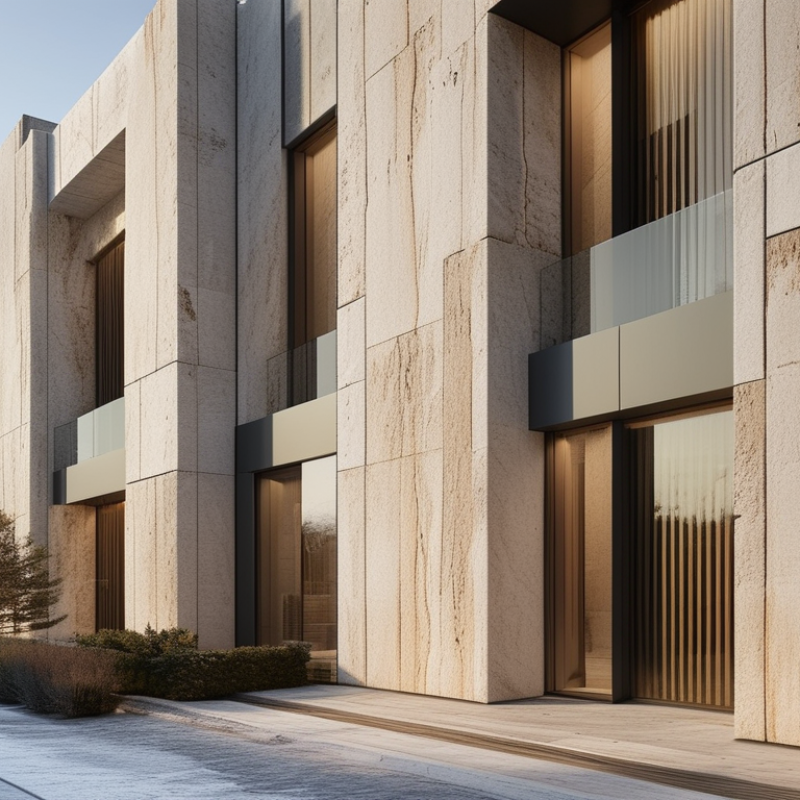
Understanding Limestone Veneer Types and Their Main Applications
How to Choose Limestone Veneer in 2026?
Understanding Limestone Veneer Types and Their Main Applications
Limestone veneer comes in several practical forms. Full-depth veneer offers substantial visual weight and suits new structural walls. Thin veneer uses less stone and often fits renovation projects. Panelized veneer can speed installation, but its joints need careful planning. Cut stone creates clean lines, while ledge-style pieces provide a layered, natural appearance.
Match the veneer to its application. Exterior façades need low water absorption and reliable freeze-thaw performance. Ask for tested data, not only attractive photographs. Interior walls allow more finishes, including honed, brushed, and tumbled surfaces. A honed finish feels smooth under the hand. A tumbled finish looks older and hides small marks. Fireplaces require heat-resistant installation materials and adequate clearance.
Landscaping introduces different concerns. Pool surrounds need slip-conscious textures and proper drainage. Garden walls benefit from dense stone with consistent thickness. On real projects, color variation is often underestimated. Natural limestone can shift from cream to gray within one shipment. That is not always a defect. It may become a design advantage, though some clients dislike surprises. Review physical samples in daylight, then inspect several pieces together. Digital images can mislead. Also check the stone’s thickness, edge treatment, maintenance requirements, and installer experience. A beautiful veneer can fail visually when the substrate, joints, or drainage are poorly prepared.
Assessing Color, Texture, Thickness, and Surface Finish
How to Choose Limestone Veneer in 2026?
Color should be judged outdoors, not under showroom lighting. Request samples from the same quarry lot, then view them wet and dry. USGS Mineral Commodity Summaries 2025 estimates U.S. crushed-stone output near 1.5 billion metric tons, with limestone and dolomite representing a major share. Availability is strong, but color consistency still varies between beds.
Texture affects both appearance and maintenance. A riven surface hides small marks, while a honed surface exposes scratches and uneven tooling. Ask for a larger mock-up, not a hand-sized sample. Thickness must match the wall system, anchors, and local engineering requirements. ASTM C568 classifies limestone by density, including low-density stone below 1,760 kg/m³ and medium-density stone between 1,760 and 2,160 kg/m³. ASTM C97 testing also measures absorption and specific gravity. These figures deserve more attention than a dramatic showroom photograph.
Surface finish changes moisture behavior and visual aging. A heavily textured finish can collect dust in recessed joints. A polished finish may look refined initially, yet it can appear uneven outdoors. I have seen pale limestone develop darker edges beneath poorly detailed copings. That failure was not the stone alone. It reflected weak drainage planning. Natural Stone Institute guidance recommends reviewing samples, shop drawings, and installation details together. Still, one sample cannot predict every weather condition. Local exposure testing remains a practical, sometimes overlooked decision.
Matching Limestone Veneer with Climate and Building Conditions
How to Choose Limestone Veneer in 2026?
Choosing limestone veneer in 2026 requires more than matching a color. The real question is how stone, climate, and wall construction will behave together. In freeze-thaw regions, select low-absorption stone and confirm tested freeze-thaw performance. Water trapped behind veneer can expand, stain, and loosen units. Use a drained cavity, proper flashing, and open weep paths. Small details matter.
In hot, sunny climates, pale limestone can reduce surface heat, but shade patterns still change appearance. Inspect samples outdoors during morning and afternoon. In coastal areas, wind-driven salt and humidity demand careful joint design and corrosion-resistant fixings. Desert dust can collect on rough textures, while polished surfaces may reveal scratches more clearly. Choose the finish according to maintenance access, not only photographs. Looks can mislead.
Building conditions matter just as much as weather. A framed wall, masonry backup, and existing concrete wall need different anchors and movement joints. Before ordering, check substrate strength, tolerances, drainage, and local installation requirements with a qualified facade professional. Request current test data for absorption, density, flexural strength, and thermal movement. Mockups reveal uneven color, mortar contrast, and water behavior before full installation. Field inspections often uncover attractive stone failing because the wall behind it stayed wet. That risk is easy to underestimate.
Comparing Quality, Sustainability, Maintenance, and Cost
How to Choose Limestone Veneer in 2026?
Comparing Quality, Sustainability, Maintenance, and Cost
Choosing limestone veneer in 2026 means examining more than color and texture. Appearance matters, but performance matters more. Request test data for water absorption, density, flexural strength, and freeze-thaw resistance. These figures reveal how the stone may behave on an exposed wall. Inspect several samples in daylight and after wetting. Small samples mislead. Shade variation can become obvious across a large elevation, especially when stones come from different quarry lots.
Sustainability requires traceable information, not attractive claims. Ask about quarry rehabilitation, extraction practices, transport distance, and environmental product declarations. Locally sourced stone may reduce transport emissions, but distance alone does not prove lower impact. Thin veneer can reduce material use, yet the backing system, mortar, packaging, and installation waste still matter. A project team should compare these details before selecting the lightest-looking option.
Maintenance is usually modest, but limestone remains vulnerable to acidic cleaners, oil, and poorly managed runoff. Use a pH-neutral cleaner and inspect joints, flashings, and sealant each year. Sealing may help in stain-prone areas, although it can change the surface appearance and require renewal. Cost comparisons should include cutting, corner pieces, scaffolding, substrate preparation, labor, waste, and future cleaning. The cheapest square-meter price may become expensive after installation. I have seen budgets ignore flashing, then pay for repairs later. That mistake is easy to repeat.
How to Choose Limestone Veneer in 2026?
Comparing quality, sustainability, maintenance, and cost across common limestone veneer categories
Dense limestone
Highest resistance to abrasion and water absorption, but generally carries a higher installed cost.
Medium-density limestone
A balanced option for strength, appearance, maintenance needs, and budget.
Porous limestone
Usually more affordable, but requires more frequent sealing and careful moisture management.
Reclaimed limestone
Can reduce demand for newly quarried material, although availability, testing, and preparation affect cost.
Scores use a 1–5 scale, where 5 is more favorable. They are based on typical natural-stone performance ranges: denser stone generally has lower water absorption and higher compressive strength, while reclaimed material may offer sustainability benefits. Actual results depend on quarry geology, climate, transportation distance, installation quality, and local pricing.
Checking Suppliers, Samples, Specifications, and Installation Requirements
How to Choose Limestone Veneer in 2026?
Choosing limestone veneer in 2026 starts with careful supplier checks. Ask for quarry location, production capacity, test reports, and recent project references. A reliable supplier should explain color variation, replacement availability, and packaging methods. Do not judge quality from polished photos. Visit a sample yard when possible. Touch several pieces. Compare their texture under natural daylight, not only showroom lighting. One common mistake is approving a small sample without checking larger panels.
Samples should represent the actual batch. Request multiple pieces showing veins, pores, edge profiles, and expected shade changes. Review key specifications, including thickness, weight, water absorption, density, slip resistance, and freeze-thaw performance. Confirm whether the veneer suits exterior exposure and your local climate. Ask for written tolerances. Measurements can vary slightly, and installers need that information before cutting.
Tips: Keep one approved sample on site. Record its color, finish, thickness, and joint appearance. Give the installer the same specification sheet. Installation requirements deserve equal attention. Confirm substrate strength, drainage, flashing, movement joints, mortar compatibility, and mechanical support. The wall may need a rainscreen or a ventilated cavity. Follow the manufacturer’s technical guidance and local building requirements. Experienced installers should inspect the substrate before delivery. I have seen attractive stone fail because water had nowhere to escape. That detail is easy to overlook. Also, allow for cutting waste and keep spare pieces from the original batch.