How to Choose the Best Water Tap Hose for Your Needs?
Choosing the right Water Tap Hose is essential for both home and garden needs. With various options available, it can feel overwhelming. Different hoses offer unique features and benefits, making the selection process important.
Start by considering the intended use. A lightweight hose is ideal for simple watering tasks. However, a heavier-duty model may be necessary for more demanding applications. Pay attention to the hose length and material. Some materials can tolerate higher pressure, while others may wear out quickly.
It’s also wise to check the compatibility with existing fixtures. This detail can prevent frustration later. Sometimes, it may be challenging to find the perfect fit. Understanding your needs and preferences will guide you. Identifying quality features ensures you make a reliable choice. Always keep in mind that your Water Tap Hose should meet specific requirements for efficient use.
Understanding Different Types of Water Tap Hoses and Their Features
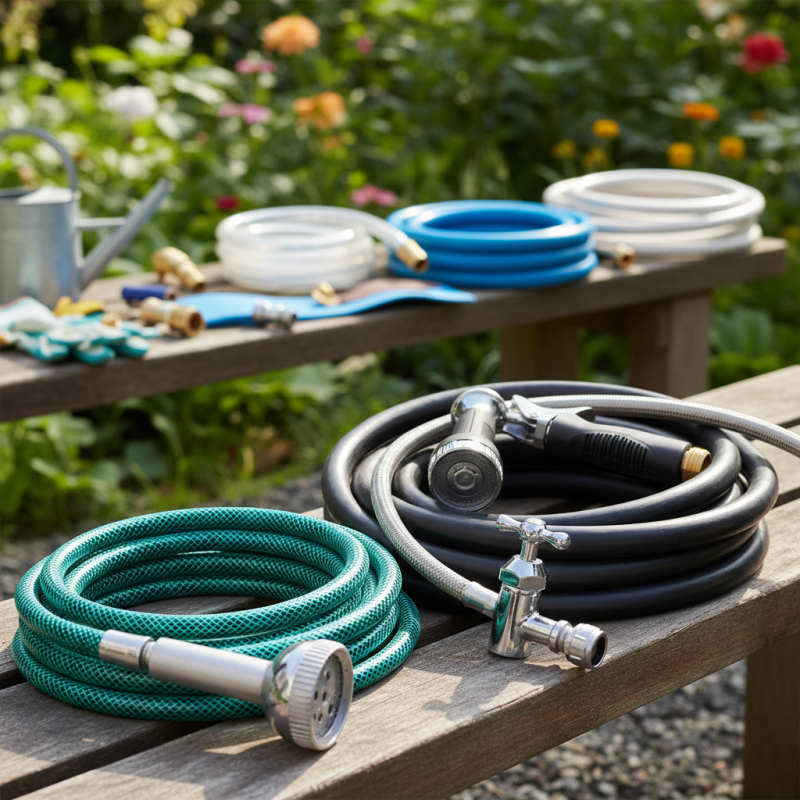
When selecting a water tap hose, understanding its types is key. Several common types include expandable hoses, rubber hoses, and PVC hoses. Each type varies in flexibility, durability, and weight. Expandable hoses can stretch up to three times their length when filled with water. They are lightweight and easy to store. However, they may not withstand harsh weather conditions over time.
Rubber hoses are known for their strength. They resist kinks and abrasions, making them a popular choice for gardeners. According to industry statistics, rubber hoses tend to last longer than other types, offering an expected lifespan of five to ten years with proper care. However, their heavier weight can make them cumbersome for some users. PVC hoses are generally lightweight and affordable, but they may lack the durability of rubber options.
Another important factor is hose diameter. A larger diameter allows for greater water flow. However, wider hoses are typically heavier and less flexible. It’s essential to assess your specific needs before making a choice. Recognizing the trade-offs in flexibility, weight, and durability can lead to better decisions. Do you require something lightweight for easy transport, or will you value durability for long-term use? These questions can guide your selection process.
Evaluating Material Durability: Rubber vs. PVC vs. Fabric Hoses
Choosing the right water tap hose involves understanding the materials. Rubber, PVC, and fabric hoses all have unique properties that cater to different needs.
Rubber hoses are known for their flexibility and resilience. They can withstand extreme temperatures and are less likely to crack under pressure. However, they can be heavy and may require more effort to handle. PVC hoses, on the other hand, are lightweight and easy to maneuver. They are resistant to weather and UV rays, but they may not be as durable over time. Fabric hoses provide an interesting option. They are often lightweight, can be compact, and resist kinking, but they may lack the robustness of rubber or PVC.
When examining these options, consider your specific use case. Do you need the durability of rubber for a heavy-duty task? Or is the lightweight nature of PVC more appealing for a casual garden? Each material has its strengths and weaknesses, prompting a thorough evaluation for your needs. Striking a balance between durability and usability is essential.
Assessing Hose Length and Diameter for Your Specific Needs
When selecting a water tap hose, assessing hose length and diameter is crucial. Industry studies reveal that a hose length of 50 to 100 feet is ideal for most residential applications. This length provides versatility. It allows you to reach distant areas in your garden or yard without hassle. Yet, longer hoses may lead to a decrease in water pressure. Consider your average watering needs before committing.
Diameter also plays a significant role. Most hoses are either 1/2 inch or 5/8 inch in diameter. A 5/8 inch diameter can deliver nearly 20% more water than a 1/2 inch hose. For tasks that require high water flow, such as filling a pool, this extra capacity is essential. However, larger diameters may not be necessary for simple watering tasks.
Think about where you will use the hose. It may help you decide on the right size. For example, small gardens or potted plants may only need a shorter, thinner hose. Yet, larger properties benefit from longer, wider hoses. Keep in mind that hose length influences maneuverability. A 100-foot hose might be cumbersome for some users, impacting your watering efficiency.
Water Tap Hose Length and Diameter Comparison
Key Factors in Hose Connectors and Compatibility with Faucets
When selecting a water tap hose, compatibility with faucet types is crucial. Not all hoses fit every faucet, so understanding the connection types is essential. Standard connections usually come in either male or female fittings. Knowing your faucet’s thread size will help ensure a secure attachment. Many homeowners overlook this detail, leading to leaks or improper usage.
Material matters as well. Hoses can be crafted from rubber, vinyl, or reinforced PVC. Each has distinct advantages and disadvantages. Rubber hoses are durable but may be heavy. Vinyl hoses are lightweight but can wear out quickly. This shows the importance of weighing your options based on your specific needs and usage patterns. Remember, durability often correlates to the material used.
Considerations extend beyond just material and fitting types. The length of the hose plays a significant role in usability. A hose that's too short may strain connections, while one that’s too long could be cumbersome. Evaluate your garden or workspace layout and plan accordingly. Reflecting on these factors can significantly enhance your watering experience. It's always best to test and measure before committing.
Analyzing Cost vs. Performance: Finding the Best Value for Your Budget
When selecting a water tap hose, consider both cost and performance. Many hoses may appear economical but can compromise on durability. Investing a little more might save you money over time as robust hoses resist wear and tear. Look for materials that withstand sun and water pressure. Cheaper options often fail under heavy use.
Tips: Inspect the fittings. Ensure they connect securely to your tap. A loose connection can lead to leaks and wasted water. Check the warranty too. A product with a good warranty often indicates quality.
Balancing cost and performance requires research. Read reviews from real users. Check expert opinions on various models. Some hoses promise much but deliver little. Do not rush your decision; take your time to evaluate options thoroughly.