How to Choose the Right Drop Cable for Your Needs?
Choosing the right Drop Cable can significantly impact your network performance. According to industry expert John Mitchell, "Selecting the appropriate drop cable is crucial for a successful installation." With various types available, it’s vital to understand your specific needs.
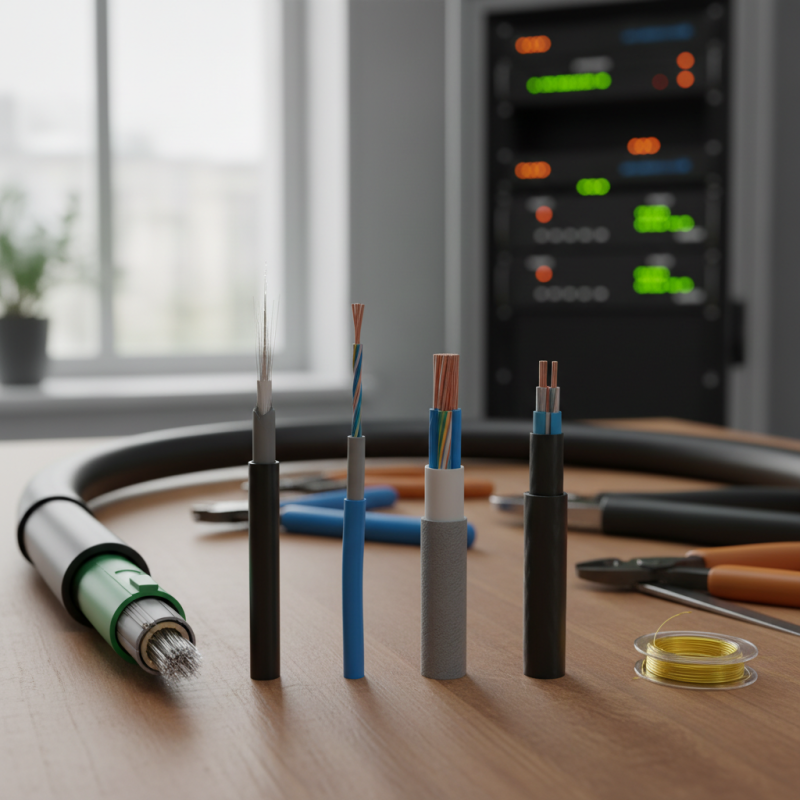
Drop cables come in different materials and specifications. Fiber optic cables offer high speed, while copper cables are more commonly used for shorter distances. Consider your installation environment, as durability and flexibility may vary.
Many overlook the importance of matching cable types to their network structure. A mismatch can lead to degradation in performance. Reflect on your requirements. Make informed decisions to ensure your network thrives.
Understanding Drop Cable Types and Their Applications
Choosing the right drop cable involves understanding the different types available. There are several categories, including fiber optic and copper cables. Fiber optic cables are known for high-speed data transmission. They are ideal for long distances. In contrast, copper cables are generally used for shorter runs. Each type has specific applications. Understanding these can save you time and money.
When selecting a drop cable, consider the environment. For instance, outdoor installations require cables that can withstand weather conditions. Indoor cables might not have such durability. The gauge of the wire also matters. Thicker cables can handle more power. However, they are often less flexible. This may lead to installation challenges.
It's essential to evaluate the requirements of your specific project. Researching local codes can help you stay compliant. Not all cables work for every situation. Some might deliver slower speeds than expected. This could affect your overall network performance. Weighing these factors carefully helps ensure your choice meets your needs. Each project is unique, and often, compromises must be made.
Evaluating Your Environment: Indoor vs Outdoor Drop Cables
When selecting drop cables, consider your environment carefully. Indoor and outdoor cables have distinct requirements. Indoor cables usually have different insulation and safety standards. These cables are generally lighter and easier to handle. They are designed to operate within buildings, where the risk of harsh weather is minimal. However, indoor cables may not withstand moisture or extreme temperatures.
On the other hand, outdoor drop cables are built to endure diverse weather conditions. They feature stronger insulation that protects against UV rays and moisture. These cables often come with a gel-filled or water-blocking design. This prevents water from damaging the internal fibers. It's crucial to ensure that outdoor cables are rated for the specific environment they will be used in.
Unfortunately, not every user considers these differences. This can lead to complications down the line. For instance, using an indoor cable outdoors can result in frequent failures. It’s essential to reflect on the long-term implications of your choices. A small oversight now could mean costly repairs later. Always prioritize the right type for your specific needs.
Key Specifications to Consider When Choosing Drop Cables
When selecting the right drop cable, several key specifications come into play. Cable type is crucial. Fiber optic cables, for instance, are ideal for high bandwidth applications. According to a 2023 market report, fiber optics can support speeds exceeding 10 Gbps over long distances. If your application requires such speeds, this is the way to go.
Moreover, cable length can significantly impact performance. The maximum length for Ethernet cables typically hovers around 100 meters for optimal signal quality. Beyond this, attenuation can lead to performance degradation. Additionally, environmental factors should not be overlooked. Outdoor-rated cables must withstand UV exposure and temperature fluctuations. A study noted that more than 30% of dropped connections are due to inadequate protection from environmental conditions.
To ensure maximum reliability, consider cable gauge. A lower AWG number generally indicates a thicker wire, which can reduce resistance. However, there are trade-offs. Thicker cables can be more challenging to install. Comfort with handling and installation environment becomes essential. Balancing these considerations requires practical experience and thoughtful planning.
Drop Cable Specifications Comparison
Assessing Installation Requirements for Your Drop Cable
When selecting drop cables, installation requirements play a crucial role. Consider the environment where the cable will be used. Will it be indoors or outdoors? Indoor cables usually require less robust insulation. Outdoor cables need extra protection against UV rays and moisture. This can affect durability and longevity.
Another aspect to assess is the distance between your equipment and the service point. Longer distances may require thicker cables for optimal signal strength. Think about how many connections you'll need. More connections can increase signal loss, so plan accordingly. If you are using connectors, ensure they are compatible with the cable type.
There can be hidden challenges, too. Sometimes, installation spaces are tight and difficult to navigate. Consider the organization of your wiring. Poor organization can lead to maintenance issues later. Reflecting on these factors can help you avoid costly mistakes and ensure a smoother installation process in the long run.
Budgeting: Cost Considerations for Drop Cables and Accessories
When budgeting for drop cables and their accessories, several factors come into play. The average cost of standard drop cables can range from $0.20 to $1.50 per foot, depending on the material and specifications. According to a report by the Telecommunications Industry Association, fiber optic drop cables can cost 25% more than copper alternatives. However, they offer higher bandwidth and lower signal loss over longer distances, which can be worth the investment.
Accessories also contribute significantly to overall costs. Items like connectors, splicers, and enclosures can add an additional $50 to $300 to your total installation. For example, a single fiber optic connector might range from $5 to $20, depending on quality and type. While it’s tempting to save on accessories, using lower-quality products can lead to maintenance issues down the line. It's essential to remember that investing upfront can reduce long-term expenses associated with replacements and repairs.
Furthermore, considering future needs is crucial. If you anticipate bandwidth growing, investing in higher capacity cables may be wise. Some users overlook this aspect, opting for cheaper solutions without factoring scalability. This can lead to a situation where the initial savings are negated by the need for eventual upgrades. The key lies in balancing immediate financial outlay with long-term performance and reliability.