How to Choose the Right Impact Drop Test Machine for Your Needs?
Selecting the right Impact Drop Test Machine is crucial for various industries. This equipment tests product durability by simulating drops and impacts. Understanding your specific requirements will help you make an informed decision.
The performance of an Impact Drop Test Machine can significantly affect your product quality assurance process. Consider factors such as weight, height, and test cycles when choosing a machine. Knowing the details of your product and testing standards will narrow down your options.
However, it’s not always clear which features are most important. Sometimes, machines may look similar but differ in performance. Reflection on past experiences with testing equipment can provide valuable insights. Users often find that their initial choices do not meet all needs, prompting further research. Ultimately, selecting the right machine requires careful consideration and expert knowledge.
Understanding the Purpose of Impact Drop Test Machines
Impact drop test machines are essential tools for industries focused on product durability. They simulate real-world conditions by testing how products withstand drops from various heights. Understanding their purpose can significantly enhance your evaluation processes. These machines help identify potential weaknesses in a product, ensuring that it can survive the rigors of everyday use.
When selecting an impact drop test machine, think about your specific needs. Are you testing small electronic devices or larger packaging? The size and weight of your products will influence your choice. Consider factors like drop height and impact speed too. These elements are crucial for ensuring accurate and reliable test results.
It's also essential to recognize that no machine is perfect. Each setup has limitations and may require adjustments over time. Regular calibration is vital to maintain accuracy. Reflecting on your testing outcomes can provide insights and lead to better design choices. Balancing cost with quality is a constant challenge, but it's necessary for success.
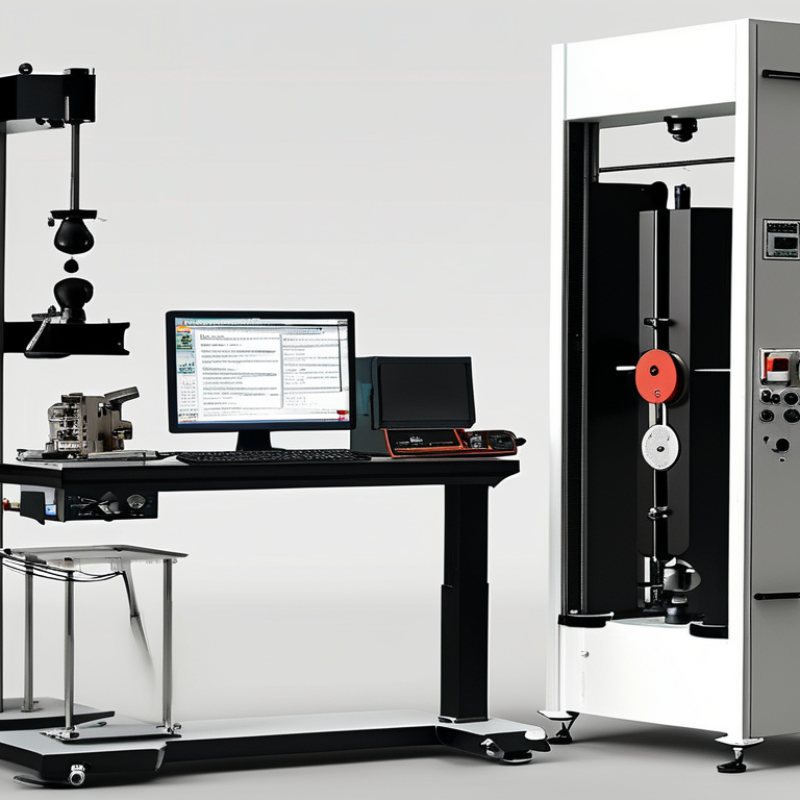
Impact Drop Test Machine Comparison
Key Features to Consider When Selecting a Drop Test Machine
When selecting a drop test machine, several key features must be considered. The ability to customize drop heights is crucial. According to an industry report, about 75% of manufacturers require machines that can accommodate varying drop heights for different packaging tests. This customization ensures that every package type can be tested effectively.
Another important factor is the impact velocity. Machines that allow adjustments for different velocities provide accurate stress assessments. Research shows that nearly 60% of product failures during transport occur due to improper handling, emphasizing the need for precise testing. Look for machines equipped with advanced sensors. They can deliver real-time data, aiding in better analysis and improvements.
Consider the machine's user interface. A complex setup may lead to user errors, which can skew test outcomes. Data indicates that 40% of reliability issues trace back to operator mistakes. Investing in an intuitive design enhances reliability and ensures that results are trustworthy. However, while many machines boast innovative features, balancing technology and user-friendliness is vital. Failure to do so may hinder effective testing processes.
Assessing Your Testing Needs and Application Requirements
When selecting an impact drop test machine, it’s essential to assess your testing needs. Understanding the materials you'll be testing is crucial. Different materials require different testing parameters. For example, plastic components may need less severe impact testing than metals. Consider the size and weight of your products too. Heavier items could demand a more robust testing machine.
Tips: Identify the specific standards you need to meet. Some industries have strict testing regulations. Knowing these can guide your choice. Always consult with experts if unsure. Their insights can save time and resources.
Application requirements are another key factor. Think about the environment in which your machine will operate. Will it face temperature variations? Such conditions can affect the accuracy of your test results. Additionally, consider if you require data collection features. Advanced machines offer detailed analysis that can improve your product design.
Tips: Look for user-friendly interfaces. Complicated machines can increase operational errors. Make sure your team is adequately trained. Proper training enhances machine utilization and safety. Reflection on past testing experiences can also refine your current needs.
Budget Considerations for Impact Drop Test Machines
Budget plays a crucial role when selecting an impact drop test machine. Understanding what features matter most can help you align your budget with your testing needs. Many machines vary significantly in price based on capabilities, accuracy, and durability. Identifying the essential features you need is a starting point that can save you money.
For instance, if your primary focus is on consistent performance, you might consider investing more upfront. However, if your projects are smaller or less frequent, a more economical option could suffice. Balancing your need for precision with your available budget is key. It’s essential to evaluate how often the machine will be used.
Another aspect to consider is long-term maintenance costs. Cheaper models may lead to higher operational costs due to repairs or replacements. Sometimes, spending a little more now can result in a better return on investment later. This perspective shifts the focus from initial costs to total ownership expenses. In this way, the decision becomes more complex, inviting further reflection on your operational needs.
Researching Reliable Manufacturers and Suppliers for Your Machine
When selecting an impact drop test machine, it's crucial to research reliable manufacturers and suppliers. A solid supplier should have a proven track record in the industry, ideally with certifications or compliance with international standards. In the 2022 Market Analysis Report, it was noted that 75% of successful manufacturers invest in quality control and customer support. Look for suppliers with evidence of thorough testing and user feedback.
Tips: Always check for industry certifications. Ask about the quality control processes they use. Customer reviews can also provide insight into their reliability.
Incorporating feedback is essential for improvement. Many manufacturers still rely on outdated designs and technologies. Effective communication with suppliers can uncover potential flaws in their offerings. According to the industry study by the National Institute of Standards, the latest innovations can enhance performance and reliability.
Tips: Compare different models before deciding. Seek feedback from peers in your industry. This approach will lead you to valuable insights and improve your decision-making process.