What is an Electric Heater and How Does It Work?
Electric heaters are a common choice for residential and commercial heating needs. These devices convert electrical energy into heat, providing warmth during colder months. According to the U.S. Department of Energy, electric heating systems account for approximately 43% of the heating market in the United States. This reflects a growing reliance on electric solutions.
Understanding how electric heaters operate is crucial. They typically use resistive heating to warm an element, which then transfers heat to the surrounding air. While effective, electric heaters can also lead to higher energy bills. In fact, homeowners using electric heating may see costs 2-3 times higher than those using gas heaters, according to industry reports.
Despite their efficiency and ease of use, electric heaters can present challenges. They may not always distribute heat evenly, leading to cold spots in a room. Additionally, some users report discomfort due to the dryness created by prolonged heater use. Considering these factors, it is important to choose the right electric heater for your specific needs.
What is an Electric Heater?
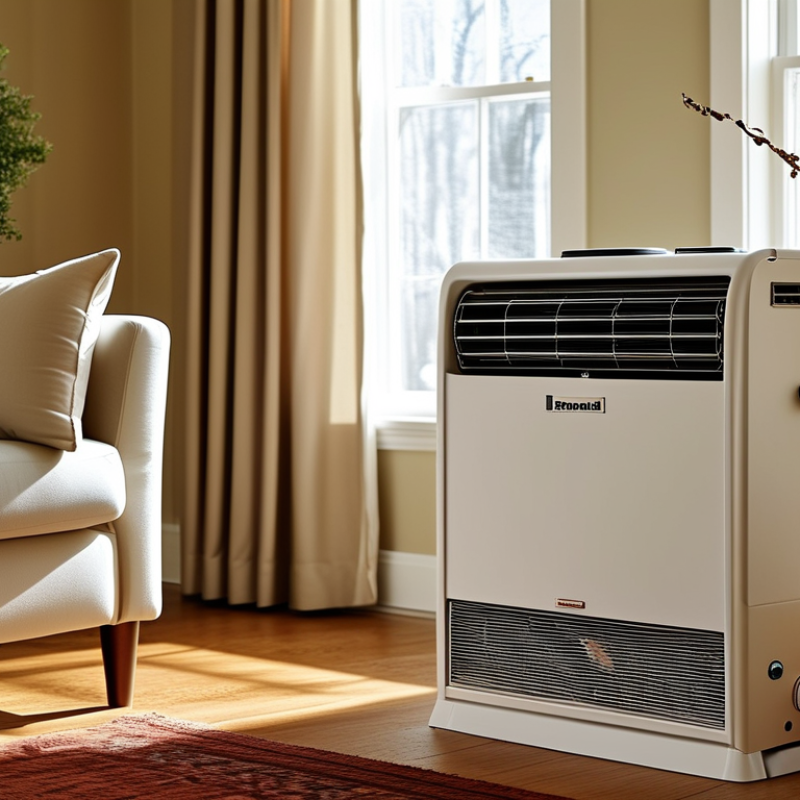
An electric heater is a device that converts electrical energy into heat. These heaters come in various types, including space heaters, baseboard heaters, and radiant heaters. According to the U.S. Department of Energy, electric heating appliances can be up to 100% efficient, meaning all the electricity consumed is used to generate heat. However, efficiency can drop based on factors like insulation and usage patterns.
In residential settings, electric heaters are popular for their convenience and ease of installation. They can be used in specific rooms or as a supplemental heat source. A study by the National Renewable Energy Laboratory noted that approximately 30% of American homes rely on electric heating systems. Despite their efficiency, relying solely on electric heaters can lead to higher energy bills, especially during peak usage times in winter months.
Homeowners often overlook the impact of placement and maintenance. Poorly positioned heaters can lead to uneven heating and discomfort. Regular cleaning and checking of connections are essential to ensure optimal performance. Some users may find their electric bills unexpectedly high. This can be a sign of inefficient use or possible equipment malfunction. Understanding the nuances of electric heating can help users make informed decisions and improve their heating experience.
What is an Electric Heater and How Does It Work?
| Feature |
Description |
Advantages |
Disadvantages |
| Heating Method |
Converts electrical energy into heat through resistive heating |
Efficient heat generation and easy installation |
Can increase electricity bills if overused |
| Types |
Includes convection, radiant, and fan-forced heaters |
Variety of options to suit different needs |
Some types may require regular maintenance |
| Application |
Used for residential heating, industrial processes, and outdoor heating |
Versatile use in various environments |
Limited to electric power availability |
| Safety Features |
Many models come with overheat protection and tip-over shut-off |
Enhanced safety for users |
Still can pose a fire risk if not monitored |
| Cost |
Prices vary widely based on type and power |
Affordable options available for most budgets |
High-end units can be pricey |
Types of Electric Heaters and Their Applications
Electric heaters are versatile appliances used for various applications. There are several types of electric heaters, each serving specific purposes. For instance, convection heaters heat the air around them, making them ideal for evenly warming larger spaces. According to industry reports, these heaters can achieve efficiency ratings of up to 100%. This means that almost all the electricity consumed translates into heat.
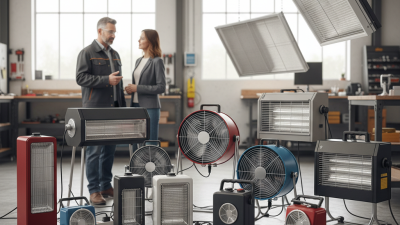
Radiant heaters, on the other hand, provide targeted warmth. They are perfect for outdoor settings or areas where immediate heat is needed. These portable units often feature infrared technology to deliver warmth directly to objects and people within their line of sight. In contrast, fan-forced heaters combine convection and moving air for rapid heat distribution, which is particularly useful in smaller rooms.
While electric heaters are generally safe and efficient, users must remain cautious. Overheating can occur if heaters are left unattended. Moreover, the reliance on electrical energy makes them vulnerable to power outages. Proper placement away from furniture and flammable materials is crucial for safety and performance. Overall, understanding the various types of electric heaters can help users select the right unit for their heating needs.
How Electric Heaters Generate Heat
Electric heaters operate through a straightforward principle: they transform electrical energy into thermal energy. This transformation occurs in various ways, depending on the type of heater. For instance, resistance heaters convert electricity directly into heat through conductive materials. According to the U.S. Department of Energy, these systems can achieve efficiencies of up to 100%. This means virtually all input electricity is transformed into heat, making them an effective option for heating spaces.
Another method involves using electric coils or heating elements. When electricity passes through these coils, they become hot and radiate heat into the surrounding environment. This process is efficient, providing quick warmth. However, an occasional downside is the potential for uneven heat distribution, which may leave cold spots in larger areas. Research from the Electric Heating Association indicates that users should consider their space layout when choosing a heating solution.
Electric heaters also often integrate fans to enhance heat circulation. This combination can improve comfort levels but may also lead to higher energy consumption. Therefore, an informed choice is essential. Evaluating energy requirements and space characteristics can optimize heating effectiveness while minimizing costs. Understanding the details helps ensure a well-rounded approach to heating needs.
The Components of an Electric Heater Explained
Electric heaters are popular for their efficiency and simplicity. Understanding their components helps demystify how they operate. At the core of an electric heater is the heating element. This element is usually a metal coil. When electricity flows through it, the resistance generates heat. This is the fundamental principle that allows the heater to warm up a space.
Another crucial component is the thermostat. It regulates the temperature. When the room reaches a desired heat level, the thermostat switches off the heating element. This prevents overheating. However, if the thermostat malfunctions, it can lead to discomfort.
Lastly, electric heaters often include safety features. These can be thermal fuses or automatic shut-off switches. These features protect against fire hazards. Yet, maintenance is vital for safety. Dust accumulation can lead to reduced efficiency. Regular checks can ensure optimal performance. Each component plays a role in making electric heaters practical and dependable for everyday use.
Safety Features and Considerations for Electric Heaters
When using electric heaters, safety should always be a top priority. These devices can generate significant heat, which may pose a fire risk if not handled correctly. Many heaters come equipped with features like tip-over protection. This mechanism automatically shuts off the heater if it falls over. It’s a simple yet effective way to prevent accidents in homes with pets or children.
Regular maintenance is crucial for safe operation. Dust accumulation can create fire hazards. Cleaning the heater regularly helps mitigate this risk. Additionally, using a heater with temperature control can enhance safety. It prevents overheating by regulating the heat output. Some users may overlook the importance of keeping a safe distance between the heater and flammable materials. This simple precaution can prevent potential disasters.
Lastly, consider the location of your electric heater. Placing it in a well-ventilated area is essential. Avoid using it in enclosed spaces without airflow. While electric heaters are generally safe, there is still a level of risk involved. Continuous awareness of safety features and proper usage is key to enjoying their benefits without fear.