10 Essential Tips for Choosing the Right Commercial Heater?
When selecting a commercial heater, many factors come into play. According to recent industry reports, the heating sector is undergoing significant changes. Commercial heating accounts for nearly 30% of a business's energy consumption. The importance of choosing the right heater is paramount. An inefficient heater can lead to excessive energy costs and discomfort for employees and clients.
Consider the size and type of space needing heating. A well-suited commercial heater can improve energy efficiency by up to 20%, as indicated by various energy audits. However, many businesses overlook this crucial aspect. They often settle for models that are either too small or inefficient. This leads to wasted energy and financial strain.
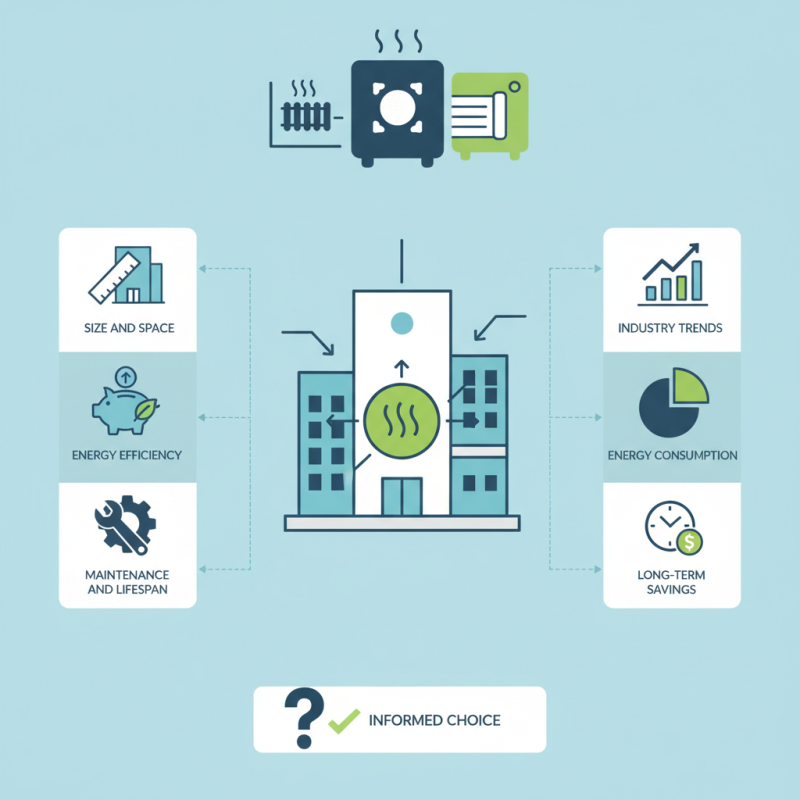
Additionally, the lifespan and maintenance of heaters can vary dramatically. Some commercial heaters require more frequent servicing, leading to hidden costs. Understanding the specific needs of your business is essential. Selecting the right heater involves more than just immediate costs. It requires a reflection on long-term usage and potential savings. Thus, making an informed choice can save money and enhance comfort in the workplace.
Understanding Your Heating Needs and Requirements
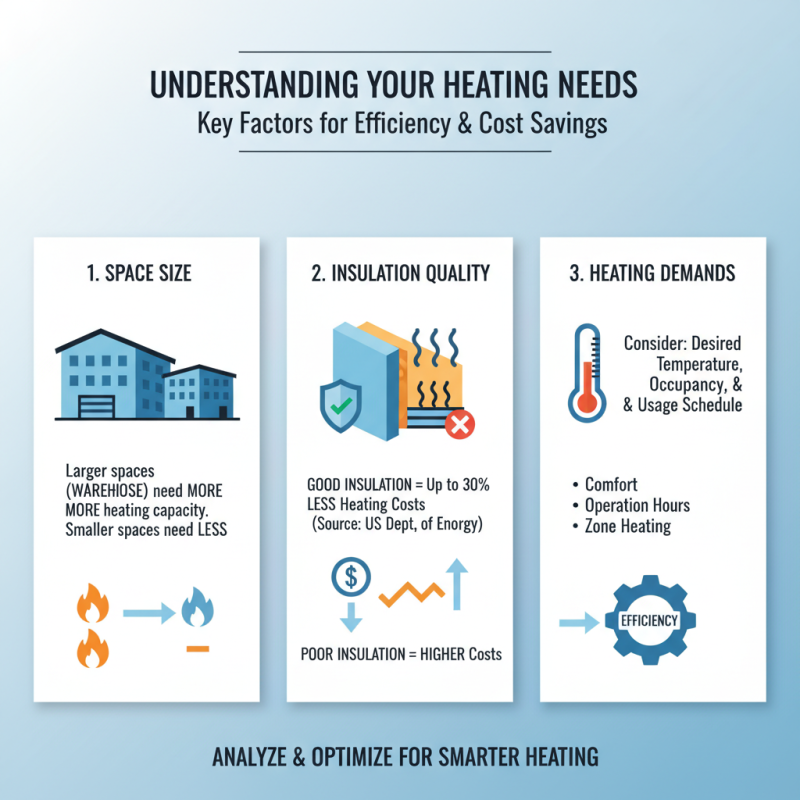
When selecting a commercial heater, understanding your heating needs is crucial. Analyze the size of your space. A large warehouse will require more heating capacity than a small office. According to the U.S. Department of Energy, a well-insulated space can decrease heating costs by up to 30%. This emphasizes the importance of knowing your insulation quality and heating demands.
Consider the type of heating system that aligns with your requirements. For instance, gas heaters offer rapid heat but may not be suitable for all environments. The National Institute of Standards and Technology reports that electric heaters generally have higher efficiency ratings. Yet, they can inflate energy bills if not sized correctly. Many businesses overlook these details, leading to inefficient heating solutions.
Finally, evaluate your energy source availability. Some areas have limited access to natural gas, which may restrict heater options. Unexpected costs could arise from switching energy sources later. Take a close look at local energy costs and availability before making a decision. This reflection can prevent future headaches and ensure that your commercial space remains comfortably heated.
Evaluating Different Types of Commercial Heaters
When evaluating different types of commercial heaters, it’s essential to understand their specific features. Common options include electric, gas, and hydronic heaters.
Electric heaters are often easy to install and maintain. They work well in small spaces but can be costly to operate. Gas heaters provide more heat at a lower cost. However, they require proper ventilation and safety measures.
Hydronic heaters circulate hot water through pipes. They offer even heating and can be energy efficient. On the other hand, installation can be more complex and expensive. Consider the space you're heating. The size, insulation, and layout all influence which heater will work best.
Each type of heater has its pros and cons. It can be tough to find the right fit. Evaluating energy efficiency and maintenance requirements is crucial. Think about your budget and needs. Sometimes, a more expensive heater saves money in the long run. Remember to account for local climate conditions too. Each choice carries its unique risks and rewards.
Considering Energy Efficiency and Operating Costs
When selecting a commercial heater, energy efficiency is a key factor. Look for units with high efficiency ratings. These heaters convert more energy into usable heat, saving you money on energy bills. For instance, a heater with a higher AFUE rating can significantly reduce operating costs. Moreover, consider how the heater will be used. Will it run 24/7, or only during peak hours? This will impact your overall energy consumption.
Operating costs go beyond just energy usage. Regular maintenance affects efficiency. Neglected heaters consume more energy and cost more over time. Think about the local climate too. A heater suitable for mild winters may not be efficient in extreme cold. You might spend more money trying to make up for its shortcomings. Researching and planning can prevent costly mistakes later. Choosing the right heater involves careful thought and assessment of future needs.
Assessing the Size and Capacity of the Heater
Choosing the right commercial heater is crucial for your space. One key aspect is assessing the size and capacity of the heater. You need to calculate the area you're heating. Consider the square footage of the space. Many forget to account for ceiling height. Height adds volume, which affects the heater's efficiency.
When selecting a heater, consider the BTU rating. This measurement indicates how much heat a unit can produce. A heater with too low a capacity will struggle. Too high, and you waste energy. Both scenarios lead to discomfort. It's essential to balance your space’s needs.
Many businesses overlook insulation. If your building isn’t well insulated, you may need a more powerful unit. Check windows and doors for drafts. Regular maintenance may also affect performance. An overlooked unit could be less efficient, leaving you chilly. Proper assessment is vital. Don't rush this step; it can save money and energy.
10 Essential Tips for Choosing the Right Commercial Heater
| Tip |
Description |
Size (BTUs) |
Best Use Case |
| 1. Assess Heating Needs |
Consider the area size and insulation. |
30,000 - 60,000 BTUs |
Small warehouses |
| 2. Fuel Type |
Choose between gas, electric, or oil. |
50,000 - 100,000 BTUs |
Medium-sized facilities |
| 3. Consider Efficiency Ratings |
Look for high efficiency for cost savings. |
75,000 - 150,000 BTUs |
Large areas with high usage |
| 4. Maintenance Requirements |
Choose models with lower maintenance needs. |
40,000 - 80,000 BTUs |
Regular use environments |
| 5. Safety Features |
Look for built-in safety mechanisms. |
100,000 - 200,000 BTUs |
Industrial settings |
| 6. Mobility Options |
Consider portable options for versatility. |
20,000 - 50,000 BTUs |
Temporary setups |
| 7. Installation Requirements |
Check if professional installation is needed. |
50,000 - 120,000 BTUs |
Fixed installations |
| 8. Local Regulations |
Ensure compliance with local codes. |
30,000 - 70,000 BTUs |
Commercial settings |
| 9. Brand Reputation |
Research customer reviews and feedback. |
60,000 - 150,000 BTUs |
Established businesses |
| 10. Warranty and Support |
Good warranty terms can save money. |
80,000 - 250,000 BTUs |
Long-term investment |
Ensuring Compliance with Safety Standards and Regulations
When selecting a commercial heater, compliance with safety standards is crucial. Many heaters must meet National Fire Protection Association (NFPA) codes and American National Standards Institute (ANSI) regulations. These codes ensure a minimum level of safety. Non-compliance can lead to accidents. In fact, data from the National Fire Incident Reporting System shows that heating equipment is a leading cause of fire incidents in commercial settings.
Understanding the specific safety requirements for different heating types is essential. For instance, gas heaters may need proper ventilation to reduce carbon monoxide risks. Electric heaters often require adherence to electrical safety standards. Unfortunately, many businesses overlook these details. According to a report by the U.S. Consumer Product Safety Commission, over 30% of heating-related incidents occur in settings where safety regulations were ignored.
Regular inspections can catch potential hazards before they turn into significant issues. Many businesses neglect this aspect due to time constraints or budget concerns. However, investing in compliance can save lives and resources. Research indicates that facilities with regular safety audits have a significantly lower rate of heating-related incidents. The importance of stringent safety compliance cannot be overstated. Ignoring these standards can lead to dire consequences.
10 Essential Tips for Choosing the Right Commercial Heater
The chart above illustrates the importance rating of various factors to consider when choosing the right commercial heater. Each factor is rated on a scale from 0 to 100, reflecting how critical they are in ensuring compliance with safety standards and regulations.