Smart Heating Solutions

10 Essential Tips for Efficiently Using Your Baseboard Heater This Winter

As winter approaches and temperatures begin to drop, ensuring your home remains warm and comfortable becomes a priority. One of the most efficient ways to heat your space is by utilizing a baseboard heater. These heating systems, often installed along the perimeter of a room, provide a consistent and effective source of warmth. However, knowing how to use your baseboard heater efficiently can significantly impact your comfort level and energy bills during the cold months.

In this guide, we will explore ten essential tips for maximizing the performance of your baseboard heater. From optimal placement and maintenance to adjusting your thermostat settings, each suggestion is designed to help you achieve a cozy living environment while preventing unnecessary energy waste. By understanding the best practices for operating a baseboard heater, you can enjoy a more economical and comfortable winter without sacrificing warmth. Embrace the season with confidence, armed with the knowledge to make the most of your heating system.
10 Essential Tips for Efficiently Using Your Baseboard Heater This Winter

Understanding Baseboard Heating Systems and Their Functionality

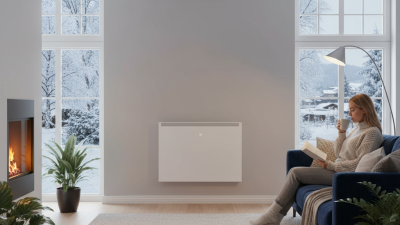
Baseboard heating systems are commonly used to provide efficient warmth in residential spaces during the colder months. These systems operate by using hot water or electricity to produce heat, which is then radiated into the room through baseboard units. The design of baseboard heaters allows for a consistent and even distribution of warmth, minimizing cold spots and ensuring a comfortable environment. Understanding how these systems function is essential for maximizing their efficiency and performance.

In a hydronic baseboard system, water is heated by a boiler and distributed through pipes to the baseboard units, where it releases heat as it cools down. On the other hand, electric baseboard heaters use electrical resistance to generate heat directly within the unit. Both systems require careful consideration of placement and maintenance to optimize their effectiveness. Keeping vents clear and ensuring adequate insulation in the room can enhance heat retention, while regular checks for leaks or obstructions can prevent unnecessary energy loss. When used properly, baseboard heaters can be a cost-effective and reliable solution for winter heating needs.
Maintaining Cleanliness and Accessibility for Optimal Performance

10 Essential Tips for Efficiently Using Your Baseboard Heater This Winter

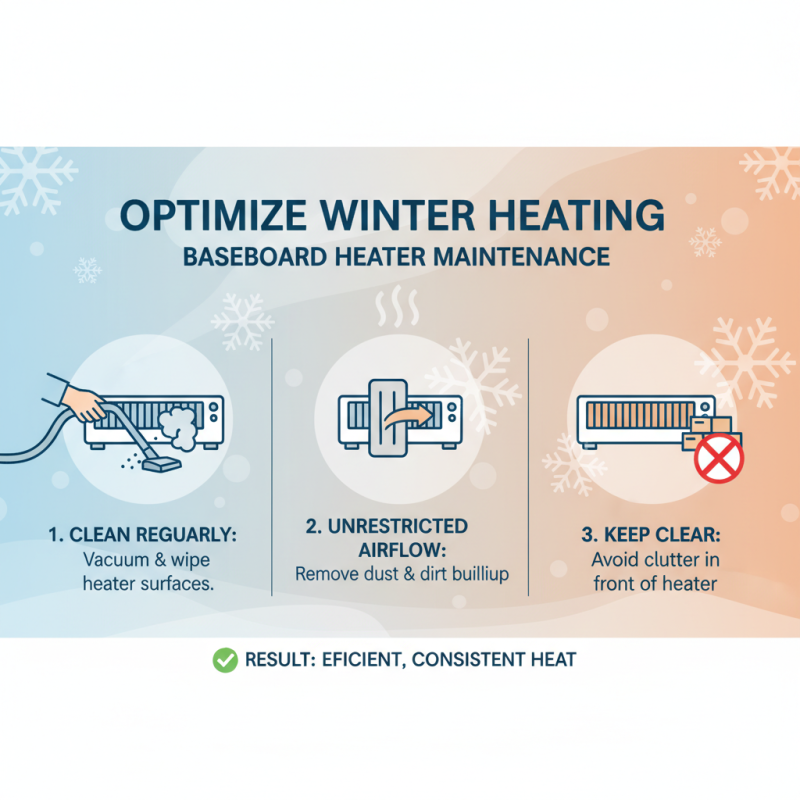
To ensure your baseboard heater operates at peak efficiency during winter, maintaining cleanliness and accessibility is crucial. Dust and dirt can accumulate on and around the heater, obstructing airflow and reducing heating efficiency. Regularly vacuuming and wiping down the surfaces of your baseboard heater will prevent debris buildup and help maintain consistent heating throughout your space. Pay particular attention to the areas directly adjacent to the heater; clutter can restrict airflow and diminish its effectiveness.

Accessibility is equally important. Ensure that furniture, curtains, or any other obstructions are kept clear from the heater. This not only facilitates proper air circulation but also enhances safety by reducing fire hazards. Taking the time to organize the space around your baseboard heater can make a significant difference in its performance. Consider creating a maintenance schedule that includes checks and adjustments to ensure that your heating system remains clean and accessible, which will ultimately provide a more comfortable and energy-efficient environment in your home during the cold winter months.

Setting the Right Thermostat Temperature for Energy Efficiency

When it comes to maximizing the efficiency of your baseboard heater this winter, setting the right thermostat temperature is crucial. A thermostat set too high can lead to unnecessary energy consumption, causing a significant increase in your heating bills. The ideal temperature for residential settings is generally around 68°F (20°C) during the day, allowing your home to remain warm and comfortable without overworking your heating system. By lowering the temperature to around 60°F (15°C) at night or when you’re away, you can achieve substantial energy savings while maintaining a cozy ambiance.

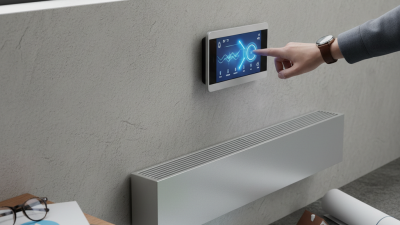
In addition to setting a comfortable temperature, it’s important to consider the placement of your thermostat. Avoid placing it near drafty windows, heat sources, or in direct sunlight, as these factors can cause inaccurate temperature readings. Regularly calibrating the thermostat and ensuring it functions properly can also help maintain your desired temperature effectively. By combining a well-maintained heater with strategic thermostat settings, you can enhance your energy efficiency and keep your home warm throughout the chilly months.

Proper Insulation Techniques to Enhance Heat Distribution

Proper insulation techniques are crucial for maximizing the efficiency of baseboard heaters during the winter months. According to the U.S. Department of Energy, approximately 30% of a home's heating energy can be lost through insufficient insulation. Therefore, ensuring that your home is properly insulated can significantly enhance heat distribution and reduce energy consumption. Installing insulation around windows, doors, and in attics can prevent heat loss, allowing your baseboard heaters to operate more efficiently and maintain a comfortable temperature throughout your living space.

To optimize heat distribution, consider using reflective materials behind your baseboard heaters. A study conducted by the National Renewable Energy Laboratory indicated that placing reflective insulation boards can improve heat output by up to 25%. This simple technique helps redirect warmth into the room rather than letting it seep through exterior walls. Additionally, sealing air leaks with caulking and weather stripping can further enhance the efficiency of your heating system, resulting in reduced energy bills and a cozier environment when temperatures drop. By implementing these insulation strategies, homeowners can ensure their baseboard heaters perform at their best during the cold winter months.

10 Essential Tips for Efficiently Using Your Baseboard Heater This Winter

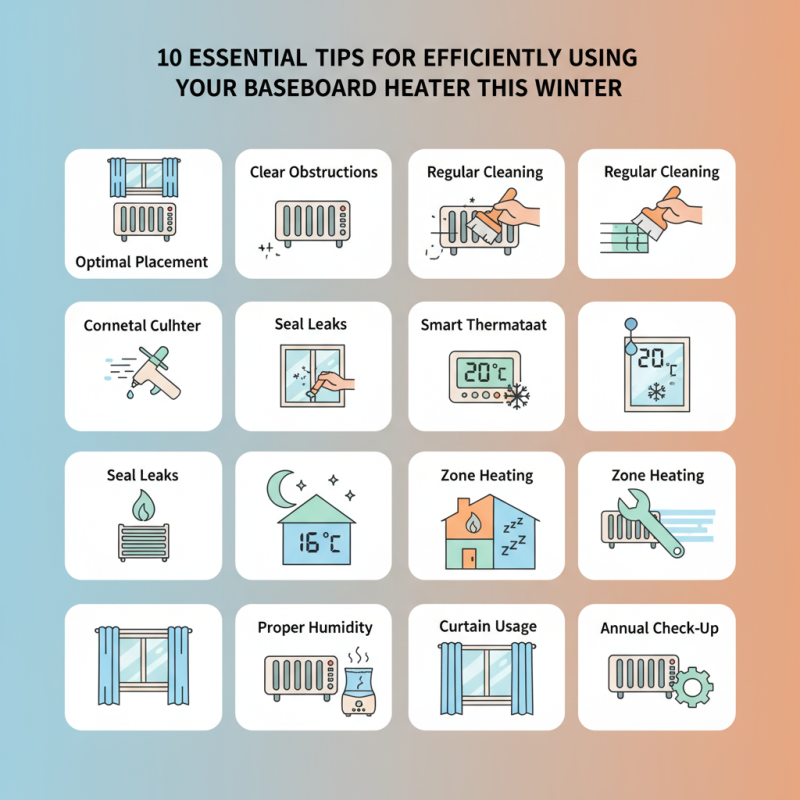
Tip Description Benefits
1. Ensure Proper Placement Position your heater under windows for maximum efficiency. Improves heat distribution and prevents cold drafts.
2. Keep Heaters Clear Remove any furniture or obstacles in front of the heater. Enhances air circulation and heating efficiency.
3. Use a Programmable Thermostat Set a schedule to regulate temperature based on your routine. Reduces energy consumption and costs.
4. Insulate Windows Use thermal curtains or window films to prevent heat loss. Improves overall efficiency of heating.
5. Bleed Radiators Release trapped air in your heating system regularly. Enhances heating performance and comfort.
6. Seal Drafts Use weather stripping to seal gaps around windows and doors. Keeps cold air out and reduces heating costs.
7. Regular Maintenance Schedule annual check-ups for your heating system. Prevents breakdowns and ensures efficiency.
8. Use Zone Heating Heat only occupied rooms rather than the entire house. Saves energy and reduces heating bills.
9. Install Radiator Reflectors Place reflectors behind radiators to reflect heat back into the room. Maximizes warmth and comfort.
10. Maintain Humidity Use a humidifier to keep moisture in the air. Enhances comfort and reduces dry air issues.

Implementing Regular Maintenance Checks Throughout the Winter

Regular maintenance checks on your baseboard heater are imperative for optimal performance and energy efficiency throughout the winter months. Research indicates that properly maintained heating systems can improve energy efficiency by up to 30%. This not only reduces energy bills but also extends the lifespan of the equipment. During winter, fluctuations in temperature can cause dust and debris to accumulate, hindering the heater's ability to emit heat effectively. Conducting routine inspections, including cleaning the heating elements and ensuring that air vents are unobstructed, can prevent these issues and maintain a comfortable living environment.

Moreover, addressing minor repairs promptly during regular maintenance checks can avert costly breakdowns later. According to industry studies, neglected heaters can lead to a 10% increase in repair costs due to the escalation of minor issues into major failures. Seasonal checks also provide an excellent opportunity to test the thermostat settings and ensure that they are accurate, which can further enhance energy savings. By committing to these proactive measures, homeowners can ensure their baseboard heaters operate efficiently, keeping homes warm while minimizing energy consumption and costs during the colder months.