What is Hydroponics Pipe and How Does It Work?
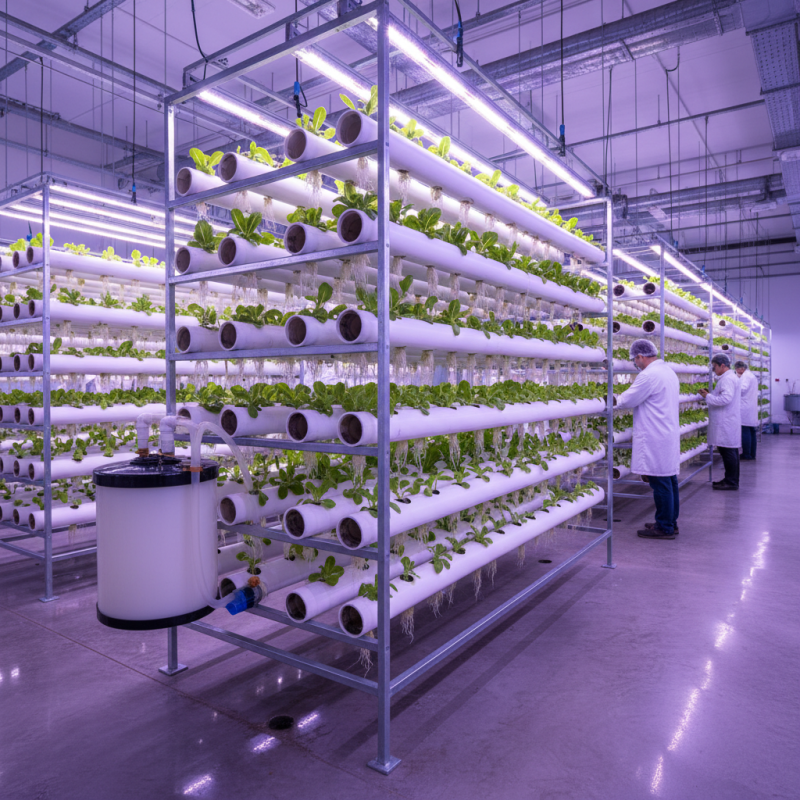
Hydroponics is transforming agriculture. Hydroponics pipe systems are at the forefront of this innovation. These systems enable efficient, soil-less plant growth, providing an alternative to traditional farming methods. According to a report from the International Society for Horticultural Science, hydroponics can increase crop yield by up to 30% compared to soil-based systems.
John Greene, an expert in hydroponic systems, emphasizes, "Hydroponics pipe technology minimizes resource waste while maximizing productivity." This insight highlights the efficiency of hydroponics pipes. They deliver nutrients directly to the plant roots, reducing water usage significantly. In fact, a study by the Environmental Protection Agency showed that hydroponics can use up to 90% less water.
Despite its advantages, challenges remain. Not all crops thrive in hydroponics systems, and initial setup costs can be high. Some farmers struggle with the technical aspects of managing these systems. Continuous learning and adaptation are key. The hydroponics pipe industry is still evolving, and future innovations could address these limitations.
What is Hydroponics and Its Importance in Modern Agriculture?
Hydroponics is transforming modern agriculture. This practice allows plants to grow without soil, using mineral nutrient solutions. The technique can be implemented in various environments, making it suitable for urban and rural settings alike. Farmers can cultivate vegetables, fruits, and herbs more efficiently.
Soil depletion is a significant issue today. Hydroponics addresses this challenge by reducing the need for traditional land. It can lead to higher yields in smaller spaces. Nutrient absorption is more direct, often resulting in faster plant growth. Water consumption is also lower, conserving a precious resource.
However, hydroponics is not without its challenges. Initial setup costs can be high. Technical knowledge is necessary to manage nutrient solutions carefully. Mistakes can lead to crop failures, so a learning period is often required. Maintaining the right environment is crucial for success, and it can be difficult to monitor. Despite these challenges, the potential benefits make hydroponics an exciting avenue in sustainable agriculture.
Overview of Hydroponic Systems and Types of Hydroponics Pipe
Hydroponic systems are revolutionizing agriculture. They use nutrient-rich water instead of soil. This method optimizes plant growth in a controlled environment. It addresses issues like water scarcity. Hydroponic pipes, integral to these systems, facilitate this process. They deliver nutrient solutions directly to plants.
There are several types of hydroponic pipes. Nutrient Film Technique (NFT) pipes circulate a thin film of nutrient solution. Deep Water Culture (DWC) pipes hold plants in a nutrient solution. Ebb and Flow systems rely on flood and drain methods. Each type has unique benefits and challenges. For example, NFT systems are efficient but require careful monitoring.
Creating a hydroponic setup requires attention to detail. Not every plant thrives in every system. Choosing the right pipe is crucial for success. It involves experimentation and adjustments. Mistakes happen. Learning from these errors can lead to better results. Having a flexible approach is essential in hydroponic gardening.
What is Hydroponics Pipe and How Does It Work? - Overview of Hydroponic Systems and Types of Hydroponics Pipe
| Type of Hydroponics Pipe | Material | Typical Use | Advantages | Disadvantages |
| PVC Pipe | Polyvinyl Chloride | Nutrient Film Technique (NFT) | Lightweight, inexpensive, easy to work with | Can degrade over time, may leach chemicals |
| HDPE Pipe | High-Density Polyethylene | Deep Water Culture (DWC) | Durable, UV resistant, long-lasting | Higher cost than PVC |
| Copper Pipe | Copper | Aeroponics | Anti-bacterial properties, strong | Expensive, can corrode |
| Flex Pipe | Flexible PVC | Vertical Hydroponics | Flexible design, easy installation | Less stable than rigid pipes |
| Aluminum Pipe | Aluminum | NFT and Ebb & Flow | Lightweight, good heat conductor | Can be expensive, prone to oxidation |
Components of Hydroponic Pipes: Material and Design Considerations
Hydroponic pipes are essential components in modern growing systems. Their design and materials play a critical role in plant health and system efficiency. Most commonly, these pipes are made from durable, inert materials like PVC or ABS. These materials do not leach harmful chemicals into the nutrient solution, ensuring the plants receive only what they need to thrive.
When considering hydroponic pipe design, a few key factors come into play. The diameter of the pipes affects water flow and nutrient distribution. A smaller diameter pipe can create higher pressure but may clog more easily. Conversely, larger pipes allow for better flow but may require more space. Additionally, the layout of the pipes must promote proper drainage and aeration. Designers must think critically about these elements to avoid common pitfalls like nutrient buildup or insufficient oxygen levels.
It’s crucial to reflect on the installation and maintenance of hydroponic pipes. Neglecting regular checks can lead to clogs or leaks, which compromise the entire system. For beginners, starting with simpler designs might help develop a better understanding of the system's dynamics. As experience grows, one can experiment with more complex arrangements. This growth mindset is valuable in optimizing hydroponic setups.
How Nutrient Delivery Works in Hydroponic Pipe Systems
Hydroponics is a method of growing plants without soil, relying on nutrient-rich water solutions instead. In hydroponic pipe systems, the delivery of nutrients is crucial. These systems use pipes to transport water mixed with essential nutrients directly to the plant roots. This ensures efficient nutrient absorption, promoting healthy growth.
The design of these pipes allows for optimized water flow. Often, they feature a variety of outlets to reach multiple plants. This distribution can enhance yields but needs careful monitoring. Nutrient levels must be checked regularly to avoid imbalances. If the nutrient solution is too concentrated, it can harm the plants. Conversely, a weak solution may lead to poor growth.
While hydroponic systems are highly efficient, they require constant attention. Growers must be vigilant about water quality and nutrient concentrations. Even minor fluctuations can affect plant health. Understanding these parameters is key to success. Regular adjustments and maintenance are essential components of effective hydroponic gardening.
Benefits of Hydroponic Pipe Systems Compared to Traditional Soil Cultivation
Hydroponic pipe systems offer numerous advantages over traditional soil cultivation. One major benefit is the efficient use of water. In hydroponics, plants absorb water directly from nutrient-rich solutions. This method reduces overall water consumption significantly, making it a sustainable option for urban farming. Additionally, hydroponic systems can yield crops more quickly than soil-based growing. Plants grown in controlled environments often grow faster due to optimized nutrient delivery.
Another key advantage is space efficiency. Hydroponic pipe systems can be installed vertically or in compact rows. This allows for more plants to be cultivated in smaller areas. Urban gardeners can maximize limited space to grow fresh produce. Moreover, the absence of soil minimizes pest issues and diseases that typically plague traditional gardens.
Tips: Regular monitoring of pH levels is crucial. An imbalance can hinder plant growth. Use natural fertilizers to enhance nutrient absorption. Ensure proper lighting to support photosynthesis effectively. Each system has its challenges, requiring constant adjustments. This is a learning curve for many gardeners. Embrace the process and make improvements along the way.
Hydroponics vs Traditional Soil Cultivation: Growth Rate Comparison
This chart illustrates the average growth rates of plants in hydroponics systems compared to traditional soil cultivation. Hydroponics typically allows for faster growth due to more efficient nutrient absorption and optimized growing conditions.