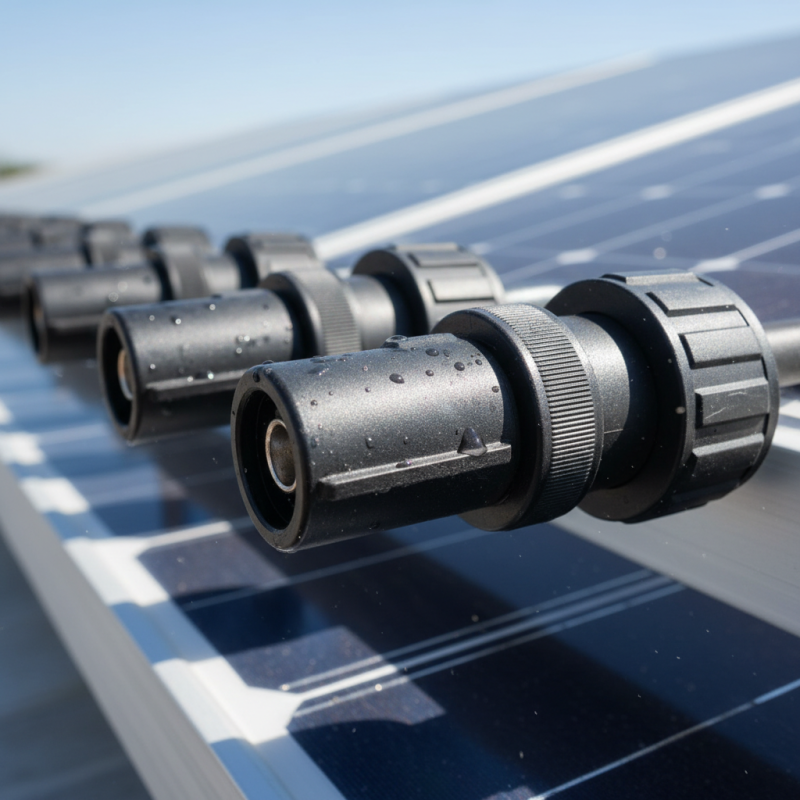
Why Are Photovoltaic Connectors Essential for Solar Power Systems?
In the rapidly evolving field of renewable energy, Photovoltaic connectors play a crucial role. These connectors ensure the efficient transmission of electricity generated by solar panels. Without reliable connectors, the entire solar power system can suffer.
Photovoltaic connectors are designed to withstand harsh environmental conditions. They must resist moisture, dust, and temperature variations. A failure at the connection point can lead to energy losses or even system shutdowns. This is a serious risk for users who depend on solar energy for daily needs.
However, not all photovoltaic connectors are created equal. Low-quality connectors can compromise performance and longevity. Some users may overlook the importance of these components, emphasizing cost over quality. This could lead to increased maintenance and unplanned expenses. Choosing the right connectors requires careful thought and research.
Importance of Photovoltaic Connectors in Solar Systems
Photovoltaic connectors play a critical role in solar power systems. These connectors ensure the efficient transfer of energy collected from sunlight. According to the Solar Energy Industries Association, the U.S. solar market grew 167% from 2010 to 2020. Such growth highlights the need for reliable components, like connectors. Inefficient connections can lead to energy losses, impacting overall system performance.
The right connector can withstand harsh environments. It must resist moisture, dust, and extreme temperatures. A study by NREL indicates that more than 20% of solar system failures are linked to poor connections. These failures can significantly reduce the lifespan of a solar installation. A good connector minimizes risks. For instance, connectors designed for rapid assembly can improve installation speed by 50%.
Choosing the right photovoltaic connectors is not easy. Some installers may overlook the importance of quality. They might choose cheaper options, missing out on long-term benefits. Data suggests that investing in high-quality connectors can enhance performance and durability. Proper maintenance and regular inspections are equally vital. Each connection is a potential weak point in a solar system. So, despite advances in technology, the human factor still plays a significant role.
Why Are Photovoltaic Connectors Essential for Solar Power Systems?
| Connector Type | Current Rating (Amperes) | Voltage Rating (Volts) | Temperature Range (°C) | Application |
| MC4 | 30 | 1000 | -40 to 85 | Photovoltaic Modules |
| Amphenol H4 | 40 | 1500 | -40 to 90 | Large Scale Solar Farms |
| Tyco/AMP | 25 | 600 | -40 to 85 | Residential Solar Systems |
| SMA Connectors | 50 | 1000 | -40 to 80 | Inverter Connections |
Types of Photovoltaic Connectors and Their Functions
Photovoltaic connectors play a vital role in solar power systems. They ensure reliable and efficient connections between solar panels and other components. Key types include MC4 connectors, which are widely used for their weather resistance and ease of use. Data from the International Renewable Energy Agency shows that these connectors can reduce energy loss by up to 2%.
Another important type is the T-connector, which allows for the simple connection of multiple solar panels. This versatility is crucial for optimizing energy production in larger installations. However, not all connectors are created equal. Poor-quality connectors can lead to overheating and energy loss. A recent report highlighted that about 3% of solar energy potential is wasted due to improper connections.
Moreover, the choice of connectors can impact maintenance and system longevity. Some connectors are difficult to access or replace. As the solar industry grows, standardization of connector types could enhance compatibility. Many installations still rely on outdated models, leading to inefficiencies. The push for newer standards is necessary, but it might take time to see widespread adoption.
Key Features to Consider When Choosing Photovoltaic Connectors
When selecting photovoltaic connectors for solar power systems, several key features demand attention. Durability is crucial. These connectors endure harsh weather. They must resist UV radiation and high temperatures. Look for materials that withstand corrosion and wear over time. This ensures long-lasting connections that enhance system efficiency.
Next, consider the ease of installation. User-friendly designs save time and effort. Connectors should fit securely without complications. Simplicity in assembly can reduce errors during installation. Flexibility is also important. Connectors must accommodate different cable sizes and types. This adaptability allows for versatile installation options in various systems.
Finally, evaluate connectivity options. Some connectors offer multiple configurations for diverse applications. Ensure compatibility with existing components. Sometimes, overlooked specifications can lead to future complications. Attention to detail can prevent headaches down the line. Taking the time to select the right connectors is essential for an efficient solar power system.
Key Features of Photovoltaic Connectors
Installation and Maintenance of Photovoltaic Connectors
Installing and maintaining photovoltaic connectors is crucial for the efficiency of solar power systems. These connectors ensure reliable electrical connections between solar panels. Poor installation can lead to energy losses, affecting the overall system performance. According to industry reports, up to 10% of energy can be wasted due to faulty connections. Regular inspection is essential.
Maintenance of these connectors is often overlooked. Cleanliness plays a key role in their longevity. Dust and debris can accumulate, leading to overheating or failure. A recent study found that nearly 30% of system failures stem from connector issues. Ensuring they are properly maintained reduces unexpected downtime and extends the life of the solar installation.
Understanding the installation process is vital. Improper torque settings can weaken connections. Many installers rush, skipping this critical step. This oversight can cause significant problems in the future. Training and ongoing education in connector technology are necessary. Investing in these areas pays off long-term with increased reliability and efficiency.
Future Trends in Photovoltaic Connector Technology
The future of photovoltaic connector technology is promising yet challenging. According to a recent report by the International Energy Agency (IEA), the global solar power capacity is expected to exceed 2,000 GW by 2025. This rapid growth demands advanced connector solutions. However, the industry faces obstacles in standardization and compatibility. Current connectors vary significantly across manufacturers, leading to inefficiencies and heightened risks.
Emerging trends indicate a shift towards more robust materials. Research shows that connectors made from UV-resistant and thermally stable polymers will improve durability. Enhanced resistance to extreme weather conditions is crucial for longevity. With climate variability increasing, these improvements can reduce failure rates and enhance overall system performance. Industry experts predict that innovations in connector designs will also focus on modular systems, allowing for easier upgrades and maintenance.
Despite these advancements, there are gaps in current technology. The need for reliable testing methodologies remains critical. Many existing connectors do not meet high performance standards, which hampers their integration into large-scale projects. Addressing these issues is essential to ensure the reliability and efficiency of the solar systems of tomorrow.