What is a Portable Space Heater and How Does It Work?
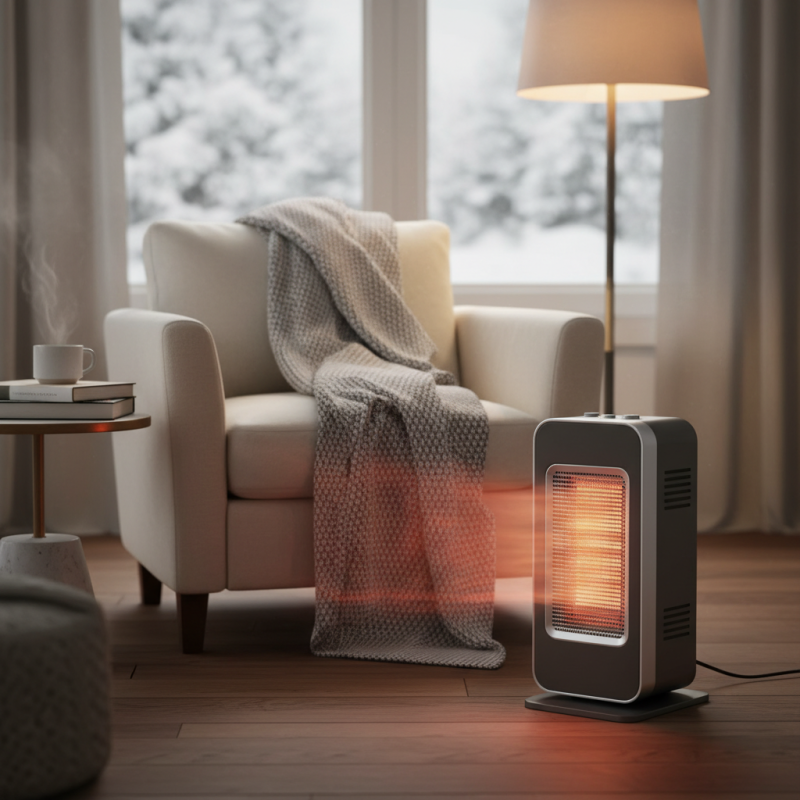
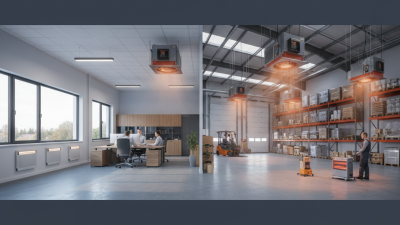
A portable space heater is a versatile device designed to provide warmth in various settings. These heaters are lightweight and easily movable, making them ideal for homes, offices, or even outdoor spaces. Users often appreciate their convenience during chilly seasons.
Understanding how a portable space heater works can enhance your experience. Most models utilize electrical elements to generate heat, allowing them to radiate warmth quickly. However, efficiency can vary based on the design and settings. Some heaters may struggle to maintain consistent temperatures.
While beneficial, reliance on a portable space heater has its drawbacks. Overheating can occur if the unit is placed too close to furniture. Additionally, safety features may not be foolproof. Users should always monitor the heater's performance and placement. This awareness can lead to safer and more effective use.
Definition and Overview of Portable Space Heaters in Modern Homes
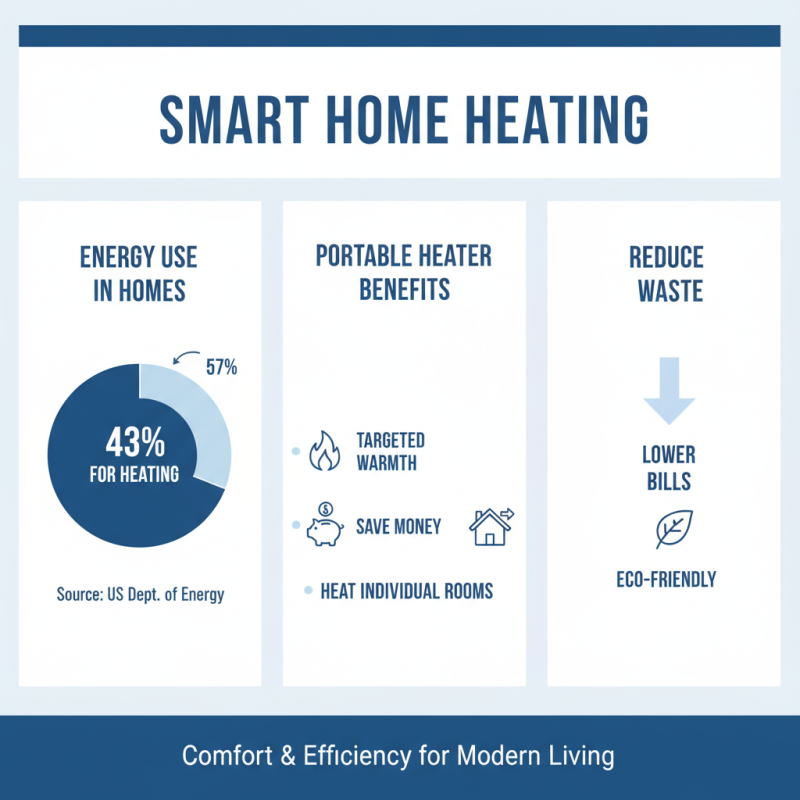
Portable space heaters have become essential in modern homes. These devices offer localized warmth, improving comfort in specific areas. A recent report by the U.S. Department of Energy indicates that up to 43% of energy consumption in homes comes from heating. Portable heaters can help reduce this by allowing homeowners to heat individual rooms instead of entire spaces.
Interestingly, their portability adds versatility. Homeowners can easily move these units from room to room. This feature is particularly useful in seasonal transitions when temperatures fluctuate. According to a study from the Energy Saving Trust, using portable heaters strategically can lead to energy savings of up to 30%. However, safety concerns remain. Many portable heaters can pose fire risks if not monitored properly. Despite their convenience, users must stay vigilant and not leave them unattended.
In addition, the efficiency of these devices varies widely. Not all portable heaters are created equal. Some are electric, while others use gas. Electric heaters typically have lower initial costs but can lead to higher electricity bills. Evaluating the effectiveness of a heater is crucial for achieving desired heating outcomes without overspending. Understanding these nuances is vital for maximizing benefits while minimizing potential drawbacks.
Types of Portable Space Heaters: Electric, Gas, and Infrared Models
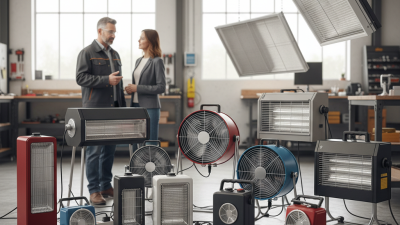
Portable space heaters are popular for their convenience and efficiency. There are several types of these heaters, notably electric, gas, and infrared models. Each type has unique features based on their heating methods.
Electric heaters are widely used. They convert electrical energy into heat, quickly warming up smaller spaces. According to industry reports, electric heaters can effectively heat a room up to 400 square feet. They often come with safety features like tip-over protection. However, they can lead to higher electricity bills if used for long periods.
Gas heaters are another option. They rely on propane or natural gas for fuel. These models provide instant heat and are effective in larger areas. However, they require proper ventilation to avoid carbon monoxide build-up. Data indicates that gas heaters can increase indoor air pollution if not used correctly.
Infrared heaters use infrared radiation to warm objects directly. This type is efficient because it doesn’t waste energy heating the air. They can warm a space quickly, making them great for instant warmth. Still, they can be less effective in very large rooms.
Tips: Select the right type based on your needs. Consider the room size and insulation. Always ensure proper ventilation when using gas heaters to protect your health. Regular maintenance checks can prevent inefficiencies and enhance safety.
How Portable Space Heaters Operate: Principles of Heat Generation
Portable space heaters are designed to provide warmth in specific areas of a home or office. These heaters operate using different heating mechanisms, primarily convection, radiation, and fan-forced heat. Each type has distinct ways of generating and distributing heat.
Convection heaters warm the air around them. They draw in cool air, which is heated and then rises. This process creates a circulation of warm air throughout the room. In contrast, radiant heaters emit infrared radiation. They directly heat objects and people in their path, offering instant warmth. Fan-forced heaters combine a fan with either convection or radiant heating. The fan pushes warm air into the room, providing quicker heating.
However, the efficiency of these heaters can vary. Some models may struggle to evenly distribute heat in larger spaces. Others might consume more electricity than desired. Additionally, safety features can be overlooked, posing risks. Understanding these operational principles can help users select the best heater for their needs. It’s essential to consider the layout and size of a room when choosing a portable space heater.
Safety Features and Regulations Governing Portable Space Heaters
Portable space heaters are convenient devices for providing warmth in small areas. However, with their convenience comes the need for stringent safety measures. Proper safety features are essential to prevent overheating and fires. Many portable heaters come equipped with tip-over switches, which turn off the unit if it falls over. This simple mechanism can save lives and prevent property damage.
In addition to built-in safety features, regulations govern their design and use. These regulations vary by region, but they generally mandate testing for safety standards. Users should always check for labels indicating compliance with safety standards. Maintaining a clear area around the heater is also crucial. Cluttered spaces can lead to accidents.
The available safety features may not always be foolproof. Users sometimes forget to follow operating instructions. Regular maintenance is often overlooked, leading to potential hazards. It's important to reflect on personal usage habits and educate oneself about the risks involved. Portable space heaters can be effective, but they must be used responsibly.
What is a Portable Space Heater and How Does It Work?
| Feature |
Details |
| Heating Method |
Radiant, Convection, or Fan-Forced |
| Energy Source |
Electricity, Propane, or Natural Gas |
| Safety Features |
Overheat protection, Tip-over switch, Cool-touch exterior |
| Portability |
Lightweight, Wheels or Handles for easy transport |
| Regulations |
Follow ANSI and UL safety standards |
| Energy Efficiency Rating |
Models may vary from 75% to 98% efficiency |
| Noise Level |
Varies between models, generally low noise |
Energy Efficiency Ratings and Operating Costs of Portable Space Heaters
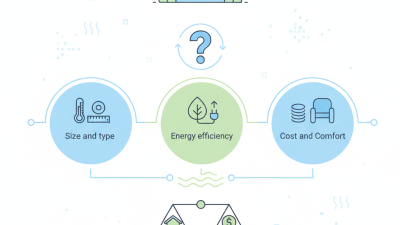
When considering a portable space heater, energy efficiency ratings are crucial. These ratings help gauge how effectively a heater converts electricity to heat. Look for models with high ratings. They use less energy while providing warmth. This is not just about comfort but also cost savings.
Operating costs vary widely. They depend on the heater’s wattage and usage time. A 1,500-watt heater running for five hours costs about $0.75, given average electricity rates. However, the efficiency can fluctuate based on the room size and insulation. A small, poorly insulated room may require more energy to heat adequately.
In an effort to find the most cost-effective option, it's essential to assess specific needs. Some heaters offer quick warmth but may consume more energy. Others are slow to heat a space yet remain more efficient in the long run. Not every choice aligns with all situations. Knowing your space and habits is vital for making the right decision.