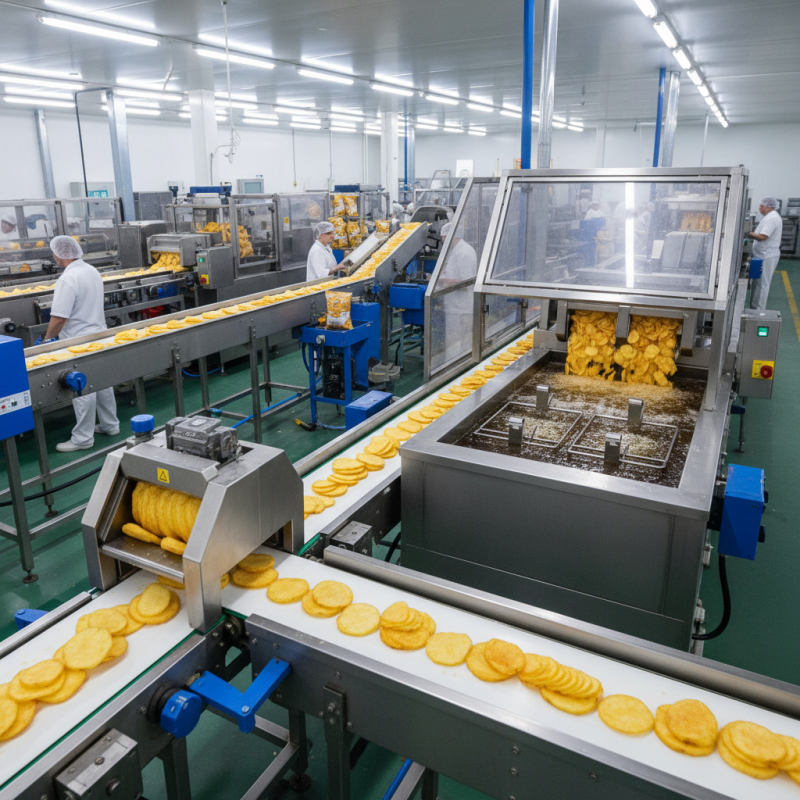
What is a Potato Chips Machine and How Does It Work?
In the world of snack production, the potato chips machine stands out. This machine is essential for transforming fresh potatoes into crispy, flavorful chips. Mark Thompson, a leading expert in food machinery, emphasizes, “The right potato chips machine can change the game's efficiency.”
These machines blend technology and culinary art seamlessly. They slice, fry, and season potatoes in minutes. However, not all machines deliver quality and speed. Manufacturers sometimes prioritize cost over performance, leading to inconsistent results.
While potato chips machines promise efficiency, operators must monitor each stage. Overcooked chips lose flavor and appeal. It’s crucial to find a balance between speed and quality in production. Understanding your machine is vital to achieve the desired taste and texture. In an industry driven by consumer preference, evaluating the machine's effectiveness is a constant challenge.
Definition and Purpose of a Potato Chips Machine
A potato chips machine is an innovative device designed to make crispy snack foods efficiently. Essentially, it prepares slices of potatoes by using various processes such as washing, slicing, frying, and seasoning. The main purpose of this machine is to provide a consistent product that appeals to consumers. With the rising demand for snacks, it plays a crucial role in food production.
The machine often features multiple components, each serving a specific purpose. For instance, the slicing mechanism can produce uniform chips that fry evenly. The frying chamber uses oil at high temperatures, creating a crispy texture. Even the seasoning process is important, as different flavors attract different customers. However, maintaining freshness and flavor can be challenging, requiring regular calibration and adjustments.
Despite its efficiency, one must reflect on its environmental impact. The use of oil and energy raises concerns about sustainability. Regular maintenance is essential to ensure quality, which sometimes gets neglected. A machine that operates perfectly every time is an ideal but often unattainable goal. Understanding these complexities can lead to improvements in both processes and products.
Components of a Potato Chips Machine
A potato chips machine is an essential tool in the snack food industry. Its design includes several key components that ensure efficient production. Among these components, the cutting machine stands out. It slices fresh potatoes into uniform thickness, affecting texture and taste. Precision is crucial. By adjusting settings, operators can create varied chip sizes. This affects both consumer preference and cooking time.
Another vital component is the frying system. This part cooks the potato slices in hot oil, typically at around 350°F. Studies suggest that proper frying times can enhance chip crispiness, making them more appealing. However, the temperature must be regulated. If too high, the chips may burn. If too low, they can become soggy. Balancing this is often challenging for professionals.
The seasoning unit comes next. This part is responsible for adding flavors. Common seasonings include salt, cheese, and barbecue. The application method is significant. A well-calibrated machine distributes seasonings evenly. Inconsistent flavor can lead to consumer dissatisfaction. Industry reports indicate that a staggering 40% of customers choose snacks based on flavor experience. This highlights the importance of every component function in the process, from slicing to seasoning.
Potato Chips Machine Components Breakdown
This bar chart illustrates the percentage usage of various components in a potato chips machine. Each component plays a crucial role in the production process, including cutting, frying, seasoning, cooling, and packaging.
The Potato Chip Production Process
The potato chip production process combines technology and labor. Raw potatoes are the starting point. They are sorted, washed, and peeled. According to industry reports, around 4.5 million tons of potatoes are processed into chips annually in the U.S.
After preparation, potatoes are sliced thinly. These slices must be uniform for even frying. The thickness usually ranges from 1 to 2 millimeters. Then, they are soaked in water. This helps reduce starch levels. However, excessive soaking can lead to loss of flavor.
Frying follows soaking. It typically occurs at temperatures between 340°F to 370°F. This creates a crisp texture. Yet, over-frying can produce a bitter taste. Once fried, the chips are drained and seasoned. They may undergo additional flavoring before packaging.
Surprisingly, up to 30% of potato weight can be lost in frying. The balance between crispness and flavor is delicate, often requiring adjustments.
Operating Principles and Mechanisms
A potato chips machine is designed to automate the production of crispy snacks. Its operation involves various mechanisms that transform raw potatoes into delicious chips.
The process begins with washing and peeling the potatoes. Once clean, the potatoes are sliced uniformly. This uniformity ensures even cooking. Slices are then fried in hot oil. The temperature is critical here. Too high and the chips burn; too low, and they become soggy.
After frying, the chips are seasoned. This step adds flavor but can sometimes overpower the natural potato taste.
Tips: Always monitor the frying temperature closely. You can use a thermometer. Selecting the right type of potato is essential. Some varieties cook better than others.
Excess oil can ruin the texture. Draining the chips properly is crucial. You might overlook this, so don’t rush the process.
Packaging is the final step. It protects the chips from moisture and maintains freshness. However, be aware that improper sealing can lead to stale chips.
Maintenance and Safety Considerations
Maintaining a potato chips machine is crucial for optimal performance. Regular upkeep prevents breakdowns and extends the machine's lifespan. Start with daily cleaning. Crumbs and leftover oil can affect taste and hygiene. When the machine cools, wipe down surfaces and check for any residue.
Tips: Always wear gloves while cleaning. Safety first! Avoid using harsh chemicals that may damage components.
Checking for worn parts is essential. Belts can fray, and blades can dull over time. Replacing these parts promptly ensures consistent chip quality. Listen for unusual noises. They might indicate a problem. Addressing these issues early can save you money.
Tips: Keep a maintenance log. Jot down any problems and repairs. This helps track the machine's health. Regular checks can prevent unexpected failures.
Safety should never be overlooked. Ensure that the machine is unplugged during maintenance. Hot surfaces can cause burns. Wait for cooling before touching any parts. Always follow basic safety protocols to avoid accidents. Proper care leads to fewer incidents.