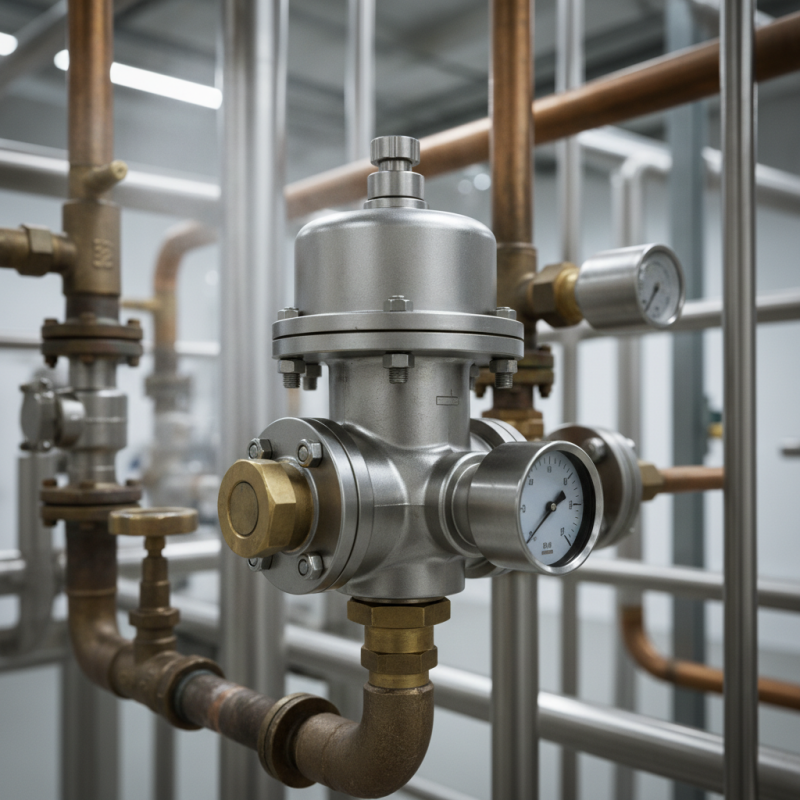
What are Pressure Reducing Regulators and How Do They Work?
Pressure Reducing Regulators play a crucial role in various industries. They ensure that gas or liquid systems operate safely and efficiently. These devices maintain a consistent outlet pressure, regardless of fluctuations in the inlet pressure.
In many applications, inconsistent pressure can lead to equipment failure or accidents. Pressure Reducing Regulators help prevent these potential problems. Their design allows them to adapt to different pressure levels, making them versatile tools in managing systems.
Understanding how these regulators function is essential for anyone working with pressure systems. They rely on mechanical principles and materials that must withstand specific conditions. However, there are challenges, such as wear and tear, that can affect performance. Reflecting on these aspects can lead to better maintenance practices and improved safety measures.
What is a Pressure Reducing Regulator?
A pressure reducing regulator (PRR) is a vital component in various industries. It adjusts high-pressure gas or liquid to a lower, usable pressure. This device ensures consistent flow rates and enhances safety. For example, PRRs are crucial in natural gas applications, controlling the pressure before it enters homes and businesses.
These regulators operate by using a spring mechanism. When inlet pressure exceeds a set limit, the spring compresses, allowing gas to bypass the regulator. A 2022 industry report noted that improper regulation could lead to system failures, costing businesses millions annually. Systems without proper PRRs often experience pressure spikes, which can cause leaks and equipment damage, raising safety concerns.
PRRs come with different specifications based on application requirements. Some are designed for stationary systems, while others are portable for field use. However, selecting the right type can be tricky. A mismatch in specifications may lead to inefficient operation. Operators must consider flow rates and potential pressure drops. Regular maintenance is essential to ensure these devices function correctly and avoid critical failures.
Key Components of Pressure Reducing Regulators
Pressure reducing regulators are essential components in fluid and gas systems. They ensure that pressure is kept within safe limits. Understanding their key components can help in maintaining efficiency and safety.
The main parts include the diaphragm, spring, and adjusting screw. The diaphragm reacts to pressure changes. When the upstream pressure increases, the diaphragm flexes. This action adjusts the spring's tension, which regulates downstream pressure. Data shows that improper adjustment can lead to pressures exceeding 100 psi. Such high pressure can cause leaks or damaging equipment.
Tips: Regularly inspect the diaphragm for wear. A damaged diaphragm can lead to inaccurate pressure readings.
Another critical component is the inlet and outlet ports. These connect the regulator to pipes. Proper sealing of these ports is vital. Industry reports indicate that leaks at the ports can lead to losses of up to 10% of gas flow. Routine checks can prevent costly issues.
Tips: Always use appropriate sealants for connections. Avoiding wear and misalignments is crucial.
Pressure Reducing Regulators - Key Components Overview
This bar chart illustrates the importance of various key components in Pressure Reducing Regulators, with the diaphragm being the most critical part, followed closely by the spring and adjustable screw. Understanding these components helps in comprehending how pressure regulators function effectively.
How Pressure Reducing Regulators Function
Pressure reducing regulators play a crucial role in various applications. They control the pressure of gases or liquids in a system. These devices ensure that the output pressure remains stable, regardless of fluctuations in input pressure. This stability is vital for equipment safety and efficiency.
How do they function? The regulator measures the incoming pressure. If it's too high, a valve within the regulator opens to release some of the pressure. This process occurs automatically. Depending on demand, the valve will adjust as necessary, providing a consistent output. It's a simple mechanism, yet highly effective.
Tips: Regular maintenance is key. Check for leaks around the fittings regularly. An undetected leak can lead to safety issues. Also, consider the regulator's specifications. If you're using it in a unique application, it might need specific attributes. Ensure you choose a model that suits your needs properly.
Applications of Pressure Reducing Regulators in Various Industries
Pressure reducing regulators play a crucial role across various industries. They effectively manage the flow of gas or liquid, ensuring safe operating conditions. These devices maintain a consistent downstream pressure, regardless of fluctuations in upstream pressure. The energy efficiency they provide can result in significant long-term savings. According to recent industry reports, energy savings of up to 30% have been observed with proper regulator systems in place.
In the manufacturing sector, pressure reducing regulators are essential. They help optimize processes by maintaining specific pressure levels for equipment. For instance, in food processing, proper gas pressure ensures consistent quality and safety. The pharmaceutical industry relies on these regulators for precise control during production. Studies indicate that even small pressure variations can lead to substantial variations in product quality.
However, not all systems are perfect. Some operators may underestimate the importance of regular maintenance. Neglecting to check these regulators can lead to costly downtimes. Additionally, incorrect sizing of the regulators may cause inefficiencies. It’s crucial for industries to educate their teams on the importance of proper installation and maintenance. This oversight can impact overall productivity, highlighting the need for a proactive approach.
Maintenance and Troubleshooting of Pressure Reducing Regulators
Pressure reducing regulators (PRRs) play a crucial role in various industrial applications. Understanding their maintenance and troubleshooting is essential for optimal performance. Regular inspections should occur at intervals defined by the manufacturer. A recent industry report indicates that improper maintenance can lead to a 15-20% drop in system efficiency.
Common issues with PRRs include leaks and pressure fluctuations. Leaks not only waste resources but also create safety hazards. Regularly apply soap solution to joints and connections to check for leaks. Pressure fluctuations can result from dirt buildup in the regulator. A routine cleaning schedule can mitigate this risk. Research shows that cleaning filters and seats every six months can improve reliability significantly.
Monitoring system pressure is vital. If pressure readings exceed specifications, recalibration may be necessary. Pressure spikes can indicate malfunctioning components. Not all operators are trained to handle this. Insufficient training leads to mistakes during troubleshooting, reinforcing the need for comprehensive training programs. Enhanced training can reduce errors by up to 30%, according to a recent safety analysis.