What Are Rotating Machines and How Do They Work?
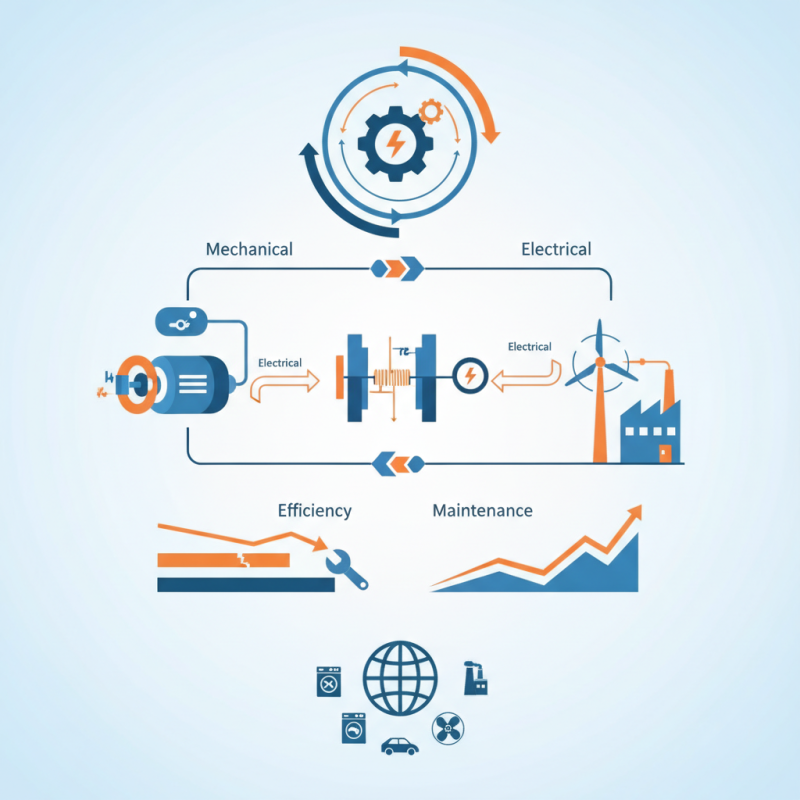
Rotating Machines are vital components in numerous industries. They include devices like electric motors, generators, and turbines. These machines convert energy between mechanical and electrical forms. Understanding their operation is crucial for efficiency and maintenance.
The mechanics behind rotating machines can seem complex. They often rely on magnetic fields and electromagnetic principles. Each part plays a significant role, yet not every detail is perfect. Over time, wear and tear can reduce efficiency. Regular inspection is essential to optimize performance.
Rotating machines are everywhere, from small appliances to massive industrial systems. Their effectiveness influences productivity and energy consumption. As we explore their workings, it’s important to consider not just how they operate, but also the challenges they face. This deeper understanding can drive innovation and improvements in design and functionality.
What Are Rotating Machines?
Rotating machines are essential components found in various industries. These include motors, generators, and turbines. According to the International Electrotechnical Commission, the global market for rotating machines is expected to surpass $170 billion by 2025. This indicates their vital role in energy generation and mechanical applications.
These machines convert energy. For example, an electric motor transforms electrical energy into mechanical energy. The efficiency of these machines can vary significantly. Some machines operate at about 90% efficiency, while others may fall below 70%. Understanding losses in energy conversion is crucial. Poor design or misalignment contributes to reduced effectiveness.
Maintenance is another critical aspect. Regular servicing helps ensure longevity and efficiency. However, many companies overlook this necessity. Inadequate maintenance can lead to unexpected breakdowns, causing significant production losses. Reports suggest that unplanned downtime can cost industries over $250,000 per hour. Keeping machines in optimal condition is not just a technical requirement; it is an economic imperative.
What Are Rotating Machines and How Do They Work?
| Machine Type | Description | Common Uses | Operating Principle |
| AC Motors | Electric motors powered by alternating current. | Fans, pumps, and conveyor systems. | Creates a rotating magnetic field that induces motion in the rotor. |
| DC Motors | Electric motors powered by direct current. | Electric vehicles, robotics, and small machinery. | Uses a commutator to reverse current direction, creating motion. |
| Pelton Wheel | Impulse turbine that converts water flow into rotational motion. | Hydropower plants. | Water jets strike cups on the wheel, causing rotation. |
| Steam Turbines | Machines that convert steam energy into mechanical energy. | Electricity generation in power plants. | Steam flows over blades, causing the turbine to spin. |
Principles of Operation in Rotating Machines
Rotating machines are fascinating devices. They convert energy from one form to another. This transformation relies on specific principles of operation. The most common types include motors and generators. Each serves a critical function in various applications.
At the heart of rotating machines lies electromagnetic induction. Simply put, when a magnetic field rotates, it induces current in coils of wire. This principle is pivotal in generating electricity. The efficiency of this process often leaves room for improvement. Designers must consider losses due to heat and friction.
Moreover, rotors and stators are integral components. The rotor spins while the stator remains still. Their interaction creates motion and generates forces. However, misalignments can lead to failures. Engineers must meticulously assess these parts. Understanding these operational principles is vital for optimizing performance and ensuring longevity.
Types of Rotating Machines and Their Applications
Rotating machines are critical in various industries. They include motors, generators, and turbines. Each type serves a unique purpose. Motors convert electrical energy into mechanical energy. Generators do the opposite. They turn mechanical energy into electrical energy. Turbines are used to harness wind or water energy.
In manufacturing, electric motors drive conveyors and pumps. They make processes efficient and manageable. Generators are essential for producing electricity, especially in remote areas. Wind turbines are becoming popular for sustainable energy. They convert wind flow into usable power.
Tips: Regular maintenance of rotating machines is vital. Check bearings and lubrication periodically. This can prevent costly breakdowns. Also, ensure proper alignment during installation. Misalignment can lead to increased wear and tear.
Balancing these machines is crucial too. Imbalances create vibrations that can shorten their lifespan. It’s worth investing time and resources here. Attention to detail can lead to improved performance and longer service life.
Key Components and Design Features of Rotating Machines
Rotating machines are vital in various industries. These machines convert energy into mechanical motion. Understanding their key components and design features is essential.
A primary component of rotating machines is the rotor. It is crucial for energy conversion. Rotors can vary in size and shape. They often include blades that facilitate airflow or fluid movement. Bearings also play a significant role. They support the rotor, reducing friction and wear.
Tip: Regular maintenance of bearings can extend the life of your machine.
Another important feature is the stator. The stator is fixed and works in tandem with the rotor. It helps to create magnetic fields in electric machines. The design of these components affects overall efficiency. Many machines struggle with heat dissipation. Inadequate cooling can lead to failures.
Tip: Monitor temperature levels frequently to prevent overheating.
Overall, understanding these components can improve performance. Delving deeper into specifics can reveal flaws in design and function. Identifying these flaws can lead to better innovations. The pursuit of efficiency is never-ending.
Maintenance and Challenges in Rotating Machine Operations
Rotating machines are crucial across various industries. They are used in generators, motors, and pumps. Their reliability is vital for operations. However, maintaining these machines can be quite challenging. A report by the International Electrotechnical Commission highlights that improper maintenance can reduce efficiency by up to 15%. This leads to increased operational costs and downtime.
Regular inspection is key. Vibration analysis and thermal imaging help identify issues before they escalate. A study from the American Society of Mechanical Engineers reveals that predictive maintenance can cut failures by 30%. Yet, many companies still rely on reactive maintenance. This approach often results in unexpected breakdowns and costly repairs.
Employee training remains critical as well. Operators should understand the machines they work with. Knowledge gaps can lead to operational mistakes. According to a recent survey, nearly 40% of maintenance personnel feel inadequately trained. This can have serious implications for machine longevity and safety. Prioritizing both maintenance and training can foster better outcomes.
Rotating Machines: Operational Efficiency and Challenges