Smart Heating Solutions

What Is a Shower Head and How Does It Work?

A Shower Head is the visible outlet that turns a building’s pressurized water supply into a usable spray. Inside its compact body, channels guide water toward small openings called nozzles. The shape, number, and arrangement of those openings influence how the spray feels on your skin. Some models mix air into the stream, creating fuller-feeling droplets without necessarily using more water. A diverter or handle usually controls spray settings, while a separate shower valve regulates temperature and flow. Not the same part. This distinction matters when troubleshooting: weak spray may come from clogged nozzles, low household pressure, or plumbing restrictions. Mineral scale can collect around tiny outlets, especially where water is hard. A soft brush and careful cleaning may help, but follow the manufacturer’s instructions.

Performance depends on more than appearance or advertised spray modes. Pipe condition, water pressure, flow limits, and installation can all affect the result. For example, a broad rain-style model may feel gentle, while a narrow setting can feel more concentrated. Neither experience proves that one design is more efficient or suitable for every bathroom. A strong spray can seem like better performance, but that assumption is not always sound. Specifications such as flow rate offer a useful comparison, though results can vary between homes. Check fit, cleaning needs, and compatibility before replacing a fixture. Product labels do not tell the whole story. Understanding how the Shower Head directs water makes its design easier to evaluate and problems easier to describe. This guide explores its main parts, spray patterns, operation, and everyday performance.
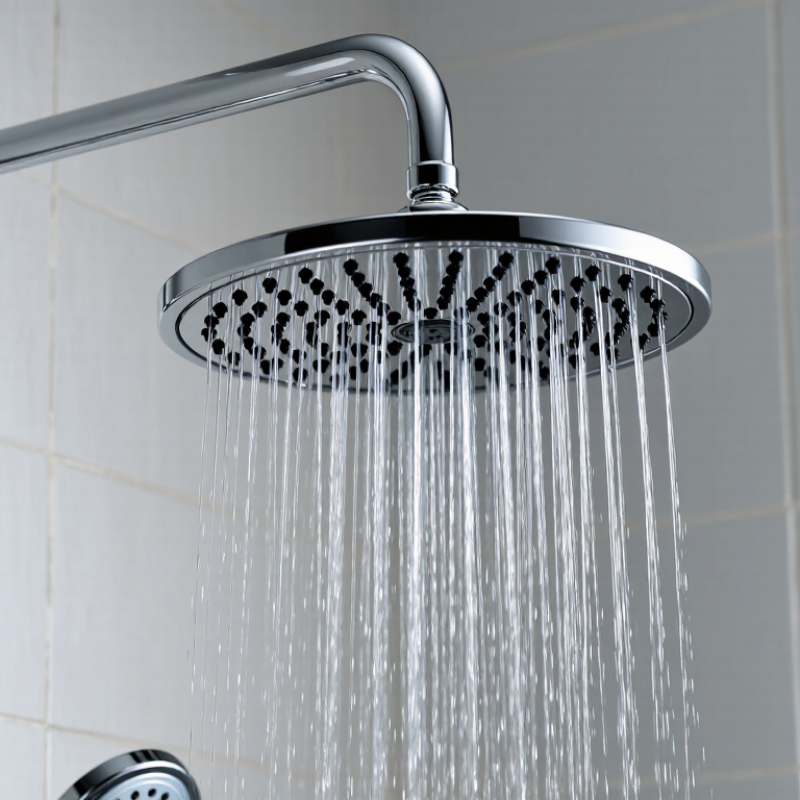
What Is a Shower Head and How Does It Work?

What a Shower Head Is and Its Main Components

A shower head is the fixture that turns water from a pipe into a usable spray. Its main components are usually the inlet, body, internal flow parts, and spray plate. The inlet connects to the shower arm, while a swivel joint lets the head tilt toward or away from the user. Inside the body, water passes through a small screen that can catch grit from plumbing. Some models also contain a flow restrictor, which limits the amount of water passing through.

The spray plate sits at the front of the head. It contains small openings, often made from flexible silicone or molded plastic, that shape the water into separate streams. When water pressure pushes through these openings, the streams form the familiar shower pattern. Small parts matter. Mineral deposits can clog the openings, making the spray uneven or weaker over time. A quick visual check may reveal buildup, though not every change in pressure comes from the head itself; a partly closed valve or plumbing issue can also be responsible. Designs vary, and a simple diagram may hide how tightly these parts fit together.

How Water Flows from the Supply Pipe to the Shower Head

A shower starts at the building’s water supply, then travels through pipes hidden behind the wall. In many homes, hot and cold water meet at a pressure-balancing or thermostatic mixing valve. The valve blends them to the selected temperature and helps limit sudden changes when another tap runs. It is easy to blame the shower head when flow feels weak; the valve or pipework may be the real bottleneck.

Mixed water moves through the shower arm and into the head. Inside, a small screen catches debris, while an internal flow regulator controls the amount of water passing through. Tiny openings divide the stream into individual jets. EPA’s WaterSense specification sets a maximum flow of 2.0 gallons per minute, at least 20% below its 2.5-gpm baseline (U.S. EPA, WaterSense Showerhead Specification). Actual spray strength still depends on water pressure, mineral buildup, and the head’s design. The plumbing path is simple on paper. In practice, old deposits can change it.

Tips: If the spray weakens, clean the head’s screen and nozzles before replacing parts. Check for leaks around the shower arm. A temperature swing may point to the mixing valve, not the head.

How Internal Parts Shape and Distribute the Water

Inside a shower head, water passes through a small inlet and often a screen that catches debris. Some models also contain a flow regulator, which limits how much water can pass through. The water then enters a chamber, where pressure and the chamber’s shape help guide it toward the spray plate. Small parts matter. Even a slight change in the channel or opening size can alter the feel of the spray.

The spray plate contains many tiny outlets, often arranged in rings or grouped zones. Their size, angle, and spacing determine whether water leaves as narrow jets, a softer pattern, or a mix of both. The openings do not create pressure; they shape and divide the water already moving through the head. Mineral deposits can partly block them, making some streams crooked or weak. A gentle wipe may clear flexible nozzles, while a clogged internal screen may need attention too. Designs vary, so one explanation will not fit every head. It is a useful reminder that a pleasing spray depends on more than the visible faceplate.

Common Shower Head Designs and Their Differences

Common Shower Head Designs and Their Differences

A fixed shower head sits on a wall arm and sends water through a spray plate fitted with small nozzles. Its simple setup suits many bathrooms, though the spray direction may be hard to adjust. Handheld models connect to a flexible hose, so you can rinse a tub, wash a pet, or direct water around the shower. The hose adds convenience, but it needs a holder and can feel awkward if it hangs too low. Simple, but not identical.

Rain-style heads are usually wider and spread water over a broader area. They can feel gentle and immersive, but may seem less forceful than a compact head. Dual designs combine a fixed head with a handheld unit, often using a diverter to switch between them or run both. More options mean more parts to clean and check for leaks. In everyday use, spray patterns matter as much as head shape: concentrated jets feel sharper, while softer patterns cover more skin.

Tips: Check the connection size and water pressure before choosing a replacement. If possible, test the spray in person. A wide head may feel luxurious, but it can disappoint when pressure is low. Rinse mineral buildup from the nozzles regularly; a partly clogged plate can make the spray uneven.

What Affects Spray Pressure, Coverage, and Water Use

What Is a Shower Head and How Does It Work?
What Affects Spray Pressure, Coverage, and Water Use

A shower head directs water through small openings, shaping its spray into a steady stream, soft droplets, or focused jets. The feel depends partly on your home’s water pressure, but pressure and water flow are not the same. A flow regulator can limit how much water passes through, even when the spray feels strong. Mineral buildup can also narrow the openings and create uneven sprays.

Tips: Check for clogged nozzles and clean them as the manufacturer recommends. If flow drops across several taps, the cause may be elsewhere in the plumbing. That detail matters.

Coverage depends on the spray pattern, head angle, and distance from your body. A broad spray can cover more of your shoulders, while a concentrated setting may feel stronger but reach less area. Water use depends mainly on the head’s flow rate and how long the shower runs; a stronger-feeling spray does not always use more water. Compare the stated flow rate when choosing a replacement, and consider timing a typical shower. It is easy to misjudge a few minutes.

What Is a Shower Head and How Does It Work? — What Affects Spray Pressure, Coverage, and Water Use

Factor How It Works Effect on Spray and Coverage Effect on Water Use What to Check
Shower-head flow rate Flow rate is the volume of water delivered per minute, commonly stated in gallons per minute (gpm) or liters per minute (L/min). A higher flow rate can provide more water overall, but it does not necessarily mean higher pressure at the shower head. At the same shower duration, a higher flow rate uses more water. For example, a 2.0 gpm head uses about 20 gallons in a 10-minute shower. Look for the rated flow rate and the pressure at which it was measured. In the United States, the federal maximum is generally 2.5 gpm at 80 psi; WaterSense-labeled models meet a maximum of 2.0 gpm at 80 psi.
Available household water pressure Water pressure, measured in pounds per square inch (psi) or kilopascals (kPa), helps push water through the head and its openings. Low available pressure can reduce flow or weaken the spray. A shower head cannot create extra supply pressure beyond what the plumbing provides. Lower pressure may reduce flow, but the actual water use depends on the head’s design and operating conditions. If spray performance changes throughout the home, check the plumbing supply and pressure; a pressure reading is best taken with an appropriate gauge.
Nozzle design and spray pattern Small openings and internal passages shape the water into individual jets, a broad spray, or selectable patterns. Jet size, direction, and spacing affect how forceful or wide the spray feels. A concentrated pattern may feel more intense without using a higher flow rate. Selectable settings can have different flow rates. Water use depends on the setting used and how long the shower runs. Compare the spray patterns and flow-rate information; perceived intensity alone does not indicate actual water use.
Spray-face diameter and coverage area The face diameter and arrangement of the nozzles determine how widely water is distributed. A larger spray face can cover a wider area, but coverage also depends on nozzle layout, spray angle, and water supply. A wider face does not automatically use more water; the rated flow rate is a more direct guide to water consumption. Check the spray-face dimensions and, where available, the manufacturer’s coverage information.
Flow restrictor or flow-control component A restrictor or regulator limits or stabilizes the amount of water passing through the shower head. It can help maintain the designed flow, though performance may still change with supply pressure and plumbing conditions. Limiting flow can reduce water use compared with a higher-flow head, provided the shower duration stays the same. Use the product’s rated flow data. Do not remove a flow-control component without checking local requirements and product guidance.
Mineral scale or clogged nozzles Mineral deposits and debris can partially block the small openings where water exits. Blockages may cause uneven spray, narrow or misdirected jets, and reduced flow. Restricted openings can lower flow, but uneven spray may make the shower less comfortable. Clean the head as directed by its care instructions and check whether the spray becomes even again.
Pipe size, valves, and other fixtures in use Plumbing layout, valve condition, and simultaneous water demand can affect the water reaching the shower. Flow may fluctuate when another fixture is used, or if a valve or pipe is restricted. Water use at the shower depends on the delivered flow and shower duration; other fixtures add their own use. Notice whether the change occurs only when other taps or appliances are running, or persists at all times.
Shower duration Total water use is closely related to flow rate multiplied by the time the water runs. Duration does not change the spray pattern, but it changes how long the spray is used. At 2.0 gpm, a 5-minute shower uses about 10 gallons; a 10-minute shower uses about 20 gallons. Estimate use with: flow rate (gpm) × minutes = gallons used.

Note: Flow ratings are measured under specified test conditions. Actual flow and spray performance can vary with household pressure, plumbing, the shower-head setting, and maintenance.