Smart Heating Solutions
Choosing a Sine Wave Inverter is not simply a matter of comparing watts and prices. Global buyers must match the inverter with local voltage, frequency, battery chemistry, climate, and connected equipment. A refrigerator may draw only 180 watts while running, yet its compressor can demand several times that power during startup. That short surge can shut down an undersized inverter.
“Reliable power begins with correct system design,” says Matthijs Vader, founder of Victron Energy, a respected name in off-grid power systems. His point is practical. A strong product can still fail when cables are too thin, ventilation is blocked, or battery voltage falls below the inverter’s limit.
This guide presents seven buying tips for choosing a Sine Wave Inverter across different markets. It examines continuous output, peak surge capacity, total harmonic distortion, protection features, efficiency, certification, and after-sales support. Buyers should also verify whether the unit supports 110V, 120V, 220V, or 230V systems. Frequency matters too: 50Hz and 60Hz equipment are not always interchangeable.
Look beyond the front-panel display. Check the manual, wiring requirements, warranty terms, and service availability in your region. A quiet fan, durable terminals, and clear fault codes can matter more than a polished product photo. No checklist is perfect. Real installations are messier. Dust, heat, unstable batteries, and rushed wiring can expose weaknesses quickly. Careful comparison reduces those risks and helps global buyers select an inverter that performs reliably beyond the showroom.
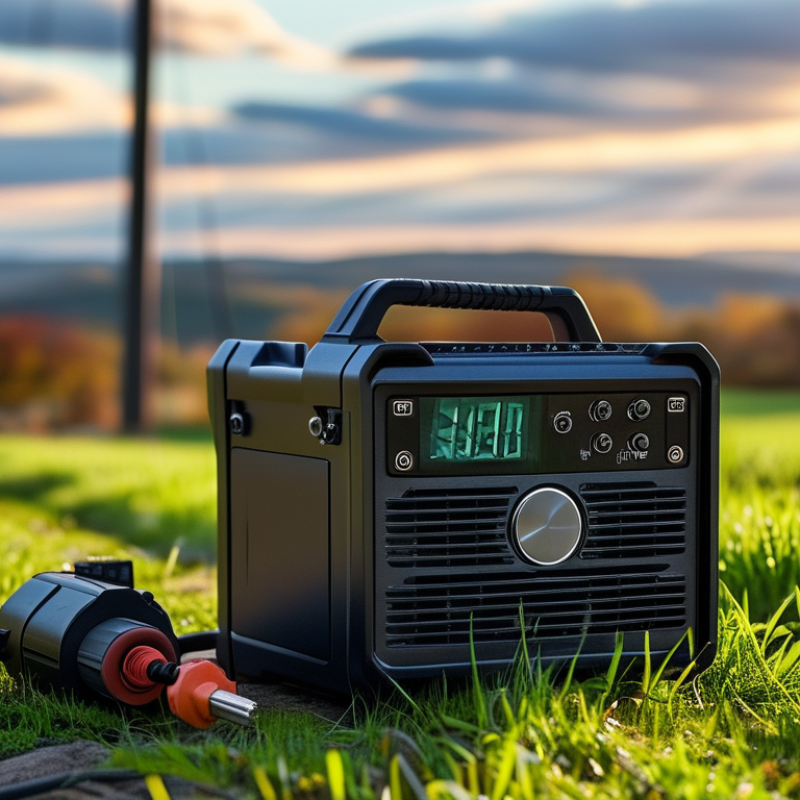
When buying a sine wave inverter, define every load before comparing models. Start with a simple load audit. List each appliance, its running wattage, startup demand, voltage, and operating hours. A refrigerator may draw 150 watts normally but require several times more during compressor startup. Pumps, fans, and power tools can behave similarly. Do not trust rounded figures. Check the nameplate and technical manual. A plug-in watt meter can reveal real consumption. Small errors matter.
Your waveform choice should match the equipment. Pure sine wave output closely follows utility power and suits medical monitors, audio systems, motors, and sensitive control boards. Modified sine wave units may run basic lamps or heaters, but some devices can buzz, overheat, or operate poorly. That risk is easy to overlook. Include both continuous and peak ratings, then leave sensible headroom for aging batteries, cold starts, and unexpected loads.
Global buyers must also confirm local voltage and frequency requirements. A 120-volt appliance may not work safely on a 230-volt system. Frequency mismatches can affect clocks, motors, and transformers. Check transfer-switch compatibility and required electrical certifications for the destination market. Ventilation is important too; enclosed spaces raise internal temperature and reduce output. I sometimes see buyers size an inverter from the largest appliance alone. That approach misses simultaneous use. A written load schedule is less exciting, but usually more reliable.
7 Sine Wave Inverter Buying Tips for Global Buyers
Match continuous power, surge capacity, and system size before comparing prices. The International Energy Agency reported about 510 GW of renewable capacity additions in 2023, with solar providing roughly three quarters. More solar systems need better inverter sizing, not simply larger batteries.
List every load, including refrigerators, pumps, fans, and chargers. Add their running watts, then leave 20–30% headroom for temperature, wiring, and aging. A 1,200-watt continuous inverter may support a small cabin, but not a 1,000-watt pump and refrigerator starting together. Surge capacity matters. Motors can briefly demand two to seven times their rated power, depending on design and condition. Check the inverter’s surge duration, not only its headline peak.
Battery voltage must match the inverter’s input range. A 48-volt system usually carries high loads more efficiently than a 12-volt system, because current is lower. The U.S. Energy Information Administration reported average residential electricity use of about 886 kWh monthly in its 2020 survey, but household demand varies sharply across climates. Do not copy that figure blindly. Review waveform quality, overload protection, efficiency at partial load, and local certification requirements under IEC 62109. My own sizing preference is conservative, though it can increase cost. That trade-off deserves a real load test.
Match continuous power, surge capacity, and system size before choosing an inverter.
Representative appliance values are shown for comparison. Select an inverter with continuous output above the combined running load and surge capacity above the highest simultaneous startup demand. Motor-driven equipment, such as refrigerators and pumps, commonly requires substantially more starting power than its running wattage.
7 Sine Wave Inverter Buying Tips for Global Buyers
Tip 1: Check the waveform, not only the “pure sine wave” label. Ask for total harmonic distortion, or THD, measured at 10%, 50%, and full load. Lower distortion usually supports quieter motors, cooler transformers, and more stable sensitive electronics. Tip 2: Request test evidence. A clear oscilloscope image is more useful than a polished product claim. Still, one test cannot prove every operating condition.
Tip 3: Compare efficiency across realistic loads. An inverter showing 95% efficiency at peak output may waste noticeable energy at light loads. Tip 4: Check idle consumption. A low standby draw matters for batteries used overnight or in remote installations. Tip 5: Match voltage and frequency carefully. Confirm the local input range, output voltage, and 50 or 60 Hz requirement before ordering. Small mismatches can cause heating or equipment failure.
Tip 6: Review safety protections in detail. Look for low-voltage shutdown, overvoltage protection, overload control, short-circuit protection, and thermal shutdown. Protection should recover safely, not restart repeatedly under a fault. Tip 7: Inspect installation guidance and certification documents. Reliable documentation should explain grounding, ventilation, cable sizing, and environmental limits. Certifications may differ by market, so verify them with local authorities or a qualified installer. I have seen buyers focus on rated watts and overlook heat buildup. That mistake is easy to repeat. Evaluate the complete system, including battery condition, cable losses, and enclosure airflow.
| Buying Tip | What to Evaluate | Practical Target or Reference Data | Why It Matters |
|---|---|---|---|
| 1. Verify the output waveform | Pure sine-wave output and total harmonic distortion (THD) | Pure sine wave; preferably ≤3% THD at rated load, with the specification stating the test condition | A clean waveform is suitable for motors, pumps, medical equipment, audio systems, and other sensitive loads. Lower THD generally reduces unwanted heating and noise. |
| 2. Compare efficiency across realistic loads | Peak efficiency, low-load consumption, and rated-load efficiency | Look for approximately 85–95% efficiency for many modern DC-to-AC units; check both standby draw and performance at 25%, 50%, and 100% load | Efficiency directly affects battery runtime, heat generation, cable sizing, and operating cost. Peak efficiency alone may not represent everyday performance. |
| 3. Match voltage and frequency to the destination market | DC input voltage, AC output voltage, frequency, plugs, and earthing arrangement | Common systems include 12, 24, or 48 V DC input and 50 or 60 Hz AC output; confirm whether the destination uses approximately 120 V or 230 V nominal service | An incorrect voltage or frequency can damage equipment, cause poor motor operation, or create an unsafe installation. Plug compatibility alone does not guarantee electrical compatibility. |
| 4. Check continuous and surge capacity | Continuous power rating, short-duration surge rating, and startup performance | Size continuous capacity at least 20–30% above the expected running load; verify the surge duration and rating for refrigerators, pumps, compressors, and other motor-driven appliances | Motors and compressors can require several times their running power during startup. A high advertised surge number is useful only when its duration and conditions are clearly specified. |
| 5. Review essential safety protections | Low-voltage shutdown, over-voltage, overload, short-circuit, over-temperature, and reverse-polarity protection | Protection functions should be listed individually, with shutdown or recovery thresholds and audible or visual fault indications where applicable | These safeguards help protect the inverter, battery, wiring, and connected equipment. They do not replace correctly sized fuses, disconnects, ventilation, and proper installation. |
| 6. Assess thermal design and installation requirements | Cooling method, operating temperature, enclosure rating, ventilation clearance, and noise | Confirm the stated operating range, commonly around −10°C to 40°C for general equipment, and follow the manufacturer’s required clearance; do not cover ventilation openings | Inverter output capacity may be reduced at high ambient temperatures. Adequate airflow improves reliability and reduces thermal shutdowns. |
| 7. Confirm testing, documentation, and warranty support | Applicable safety and EMC requirements, test reports, user documentation, service process, and warranty terms | CE, UKCA, UL, CSA, IEC, or other marks may apply depending on the destination and product category; verify the relevant standard, not just the symbol, and request a complete manual and wiring diagram | Regulatory requirements vary by country. Traceable documentation supports customs clearance, safer installation, maintenance, and after-sales claims. |
Reference note: Performance values are general buying benchmarks rather than specifications for a particular product. Always compare test conditions, rated load, ambient temperature, battery voltage, and the electrical requirements of the destination country.
A sine wave inverter should match the battery before it matches your appliances. Check the battery voltage, chemistry, capacity, and maximum discharge current. A 12-volt inverter cannot safely serve a 24-volt battery bank. Confirm the inverter’s continuous output, not only its advertised peak. Motors, pumps, and refrigerators may need two or three times their running power during startup. Leave practical headroom.
My first installation checklist missed cable length. That mistake caused noticeable voltage drop and warmer connections. Keep high-current cables short, correctly sized, and tightly secured. Provide ventilation around the inverter, especially in a warm utility room. Install suitable fuses near the battery. Ground the system according to the equipment instructions and local electrical practice. A qualified electrician should check fixed wiring and transfer-switch connections.
Local standards can change the purchase decision. Verify the required voltage, frequency, socket format, enclosure rating, and approval markings for the destination market. Some regions require specific residual-current protection or certified installation methods. Ask the supplier for test reports, wiring diagrams, and battery charging limits. Read the manual before selecting accessories. Do not assume a familiar plug means full compatibility. I have seen projects delayed because the inverter worked electrically but failed local inspection. That detail is easy to overlook.
When comparing sine wave inverters globally, look beyond the purchase price. Calculate the total cost over three to five years. Include freight, import charges, installation, replacement parts, and energy losses. A unit with 92% efficiency may cost more initially, but it can reduce operating expenses in high-use systems. Check idle consumption too. Small losses become expensive.
Warranty coverage needs careful reading. Confirm the warranty period, covered components, labor terms, and shipping responsibilities. Some agreements exclude damage caused by unstable batteries, poor ventilation, or incorrect installation. Ask whether repairs occur locally or require international return shipping. That delay can interrupt a backup system for weeks. Read the fine print.
Supplier support is equally important for global buyers. Reliable suppliers provide clear manuals, wiring diagrams, test reports, and prompt technical replies. Ask for response-time commitments before placing an order. Check whether engineers understand your grid voltage, battery chemistry, and climate conditions. A supplier should also explain firmware updates and spare-part availability. Support matters.
Do not judge reliability from polished specifications alone. Request production test records, protection details, and realistic load data. Independent certification can strengthen confidence, but it does not replace installation guidance. One purchasing mistake is treating warranty length as proof of quality. It is only one signal. A shorter warranty with transparent service may be more useful than a longer warranty with difficult claims. Compare the complete ownership picture, not just the quotation.