What is Soft Close Cabinet Hinges and How Do They Work?
Soft Close Cabinet Hinges are a revolutionary addition to modern cabinetry. These hinges allow cabinets to close gently and quietly, enhancing user experience in kitchens and other spaces. According to industry expert Emily Parker, "Soft Close Cabinet Hinges provide both functionality and elegance to any cabinetry." Her words encapsulate the growing trend toward stylish yet practical solutions in home design.
The mechanics behind Soft Close Cabinet Hinges are quite fascinating. They utilize a hydraulic mechanism to control the closing speed, preventing slamming and reducing wear. This technology not only improves the lifespan of the cabinets but also enhances safety, particularly in homes with children. However, installing these hinges can be tricky without the right tools and expertise, which might lead to frustrations for DIY enthusiasts.
Understanding the intricacies of Soft Close Cabinet Hinges is essential for homeowners and professionals alike. While they offer many benefits, incorrect installation can negate these advantages. A proper understanding of how they work will lead to more informed choices. As the industry evolves, being aware of these nuances is vital for achieving optimal performance.
What Are Soft Close Cabinet Hinges?
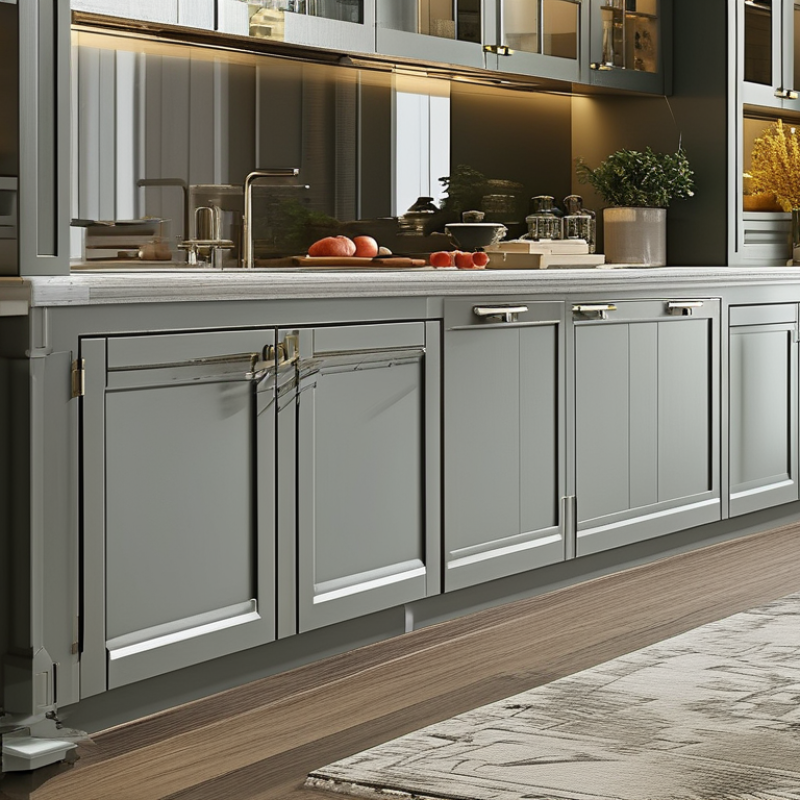
Soft close cabinet hinges are an innovative solution for modern cabinetry. They allow cabinet doors to close gently and silently. This mechanism prevents slamming, adding a touch of luxury to any space. The hinges work by using hydraulic damping to control the speed of closing. As the door approaches the frame, it slows down. This action ensures a smooth and quiet closure.
When selecting soft close hinges, consider the weight and size of your cabinet doors. Heavier doors require more robust hinges for optimal performance. Installation can be tricky. Proper measuring is crucial to avoid misalignment. Misaligned hinges can result in uneven gaps or doors that don’t close properly.
Tip: Always test the hinges after installation. Open and close the door multiple times to ensure a consistent and smooth action. If you notice any issues, adjustments may be necessary. Consider consulting a professional if you feel uncertain. Your cabinets deserve careful attention to detail for the best results.
The Mechanism Behind Soft Close Cabinet Hinges
Soft close cabinet hinges operate using a clever mechanism that enhances user experience and safety. These hinges slow down the door closing process, preventing slamming. A dampening system, often using hydraulic fluid, absorbs the momentum. When the cabinet door approaches the frame, the hinge kicks in. The result is a gentle, nearly silent closure.
The design of these hinges can be intricate. Many consist of multiple components working together. A spring engages as the door nears closure, allowing for a controlled stop. This mechanism not only promotes longevity for cabinetry but also protects fingers from pinching. However, installation requires precision. Misalignment can lead to malfunction or inefficiency.
In some cases, users may find these hinges can wear down over time. Regular maintenance improves their lifespan. Proper lubrication is often overlooked but critical. Education on the functioning of soft close hinges enhances overall satisfaction. A blend of function and design makes soft close cabinet hinges a popular choice, yet awareness of their care is essential.
Soft Close Cabinet Hinges Features Comparison
This bar chart illustrates the comparison of different features of soft close cabinet hinges, emphasizing their durability, ease of installation, noise level, cost, and adjustability. Each feature is rated on a scale from 0 to 100.
Advantages of Using Soft Close Cabinet Hinges
Soft close cabinet hinges have revolutionized the way we use cabinets in our homes and offices. Their design allows doors to close gently and silently, reducing noise and wear over time. Research indicates that nearly 60% of homeowners prefer these hinges compared to traditional options. The ease of use and added safety features make them a popular choice for households with young children.
One major advantage of soft close cabinet hinges is their ability to prolong the lifespan of cabinetry. The smooth operation minimizes the impact on hinges and cabinet frames. A report from the Cabinet Makers Association shows that using soft close mechanisms can reduce wear and tear by up to 30%. Moreover, these hinges enhance the overall user experience by eliminating the risk of pinched fingers—an important consideration for families.
However, they are not without challenges. Installation can be more complex than regular hinges, often requiring additional adjustments. Some users might find the soft closing action slower than they expected. These factors can lead to frustration during setup, but the long-term benefits generally outweigh the initial inconvenience. Ultimately, soft close cabinet hinges offer a blend of safety, durability, and modern convenience that is hard to ignore.
Installation Process for Soft Close Cabinet Hinges
Installing soft close cabinet hinges can significantly enhance your kitchen or bathroom cabinets. These hinges allow doors to close softly, preventing loud slamming noises and potential damage. The installation process may seem daunting, but it can be manageable with the right tools and approach.
Begin by gathering your tools: a drill, screwdriver, and a measuring tape. Mark the position for the hinges on the cabinet door and the frame. Carefully measure to ensure alignment with other doors. Drill pilot holes for the screws to avoid splitting the wood. Attach the hinges to the door first. This step requires precision and patience. Now, mount the door onto the cabinet frame. Adjust it to ensure smooth operation. Sometimes, you may need to reposition it, which can be frustrating. However, a little tweaking can lead to a perfect fit.
After installation, test the hinges. Open and close the door multiple times. It's essential to make sure the soft-close mechanism works correctly. If it doesn't engage seamlessly, reassess the installation. Look for any misalignments or loose screws. Minor adjustments are part of the learning process. With practice, you can achieve a professional finish.
Common Issues and Solutions with Soft Close Cabinet Hinges
Soft close cabinet hinges are popular for their ability to prevent cabinets from slamming shut, offering convenience and safety. However, they can sometimes encounter issues that disrupt their effective operation. A common problem is misalignment. This can happen during installation or as the cabinet settles over time. Misalignment causes the hinge to not function properly, leading to noisy closures. Adjusting the hinges slightly can often resolve this issue effectively.
Another frequent concern is wear and tear. Over time, the dampers that control the soft close mechanism may degrade. Users might notice that the cabinet doors no longer close softly. In such cases, replacing the dampers is usually the best solution. Regular maintenance can help extend the life of these hinges. It’s important to periodically check for loose screws or damaged components, which can also affect performance.
Lastly, some users experience inconsistent closing speeds, which can be frustrating. This may stem from inadequate lubrication or obstructions in the hinge mechanism. Cleaning the hinges and adding a silicone-based lubricant can often restore functionality. Observing these small details can help maintain the reliability of soft close hinges for years to come.
What is Soft Close Cabinet Hinges and How Do They Work? - Common Issues and Solutions
| Dimension | Description |
| Type | Soft close hinges are designed to prevent slamming by slowing down the door as it closes. |
| Mechanism | They use a hydraulic or pneumatic system to control the closing speed. |
| Common Issue | Hinges may not close properly due to misalignment or lack of lubrication. |
| Solution | Check the alignment and adjust hinges; apply lubricant if necessary. |
| Advantages | Provides quiet operation and extends the lifespan of cabinet doors. |
| Installation | Can be installed easily with standard tools and adjustments. |
| Why Choose Soft Close | Soft close hinges enhance user experience and reduce noise in crowded spaces. |