How to Source Quality Shs Tube for Your Business Needs?
In the realm of construction and manufacturing, sourcing quality Shs Tube is crucial for success. As industry expert Mr. John Simmons once remarked, “The integrity of your projects begins with the materials you choose.” This reflects the essential role that SHS Tubes play in ensuring structural reliability and durability.
The market for SHS Tube is diverse, yet not all suppliers meet the required standards. Quality can vary greatly, affecting both safety and performance. Businesses need to assess their suppliers carefully. Selecting the right SHS Tube can be the difference between a strong structure and a weak one. It's not just about price; it's about value and long-term partnerships.
Challenges exist in finding the right SHS Tube. Some businesses may prioritize cost over quality, risking future complications. Engaging with trusted local suppliers can enhance reliability. Before making a decision, it is essential to reflect on previous partnerships and learn from past mistakes. Always seek to balance quality, cost, and trust in your sourcing journey.
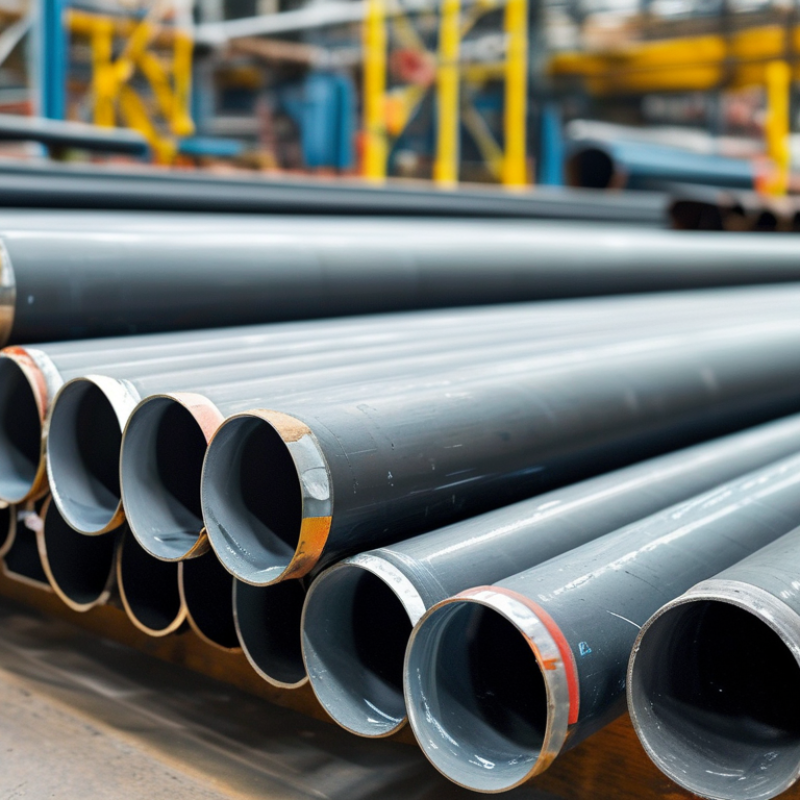
Understanding the Different Types of SHS Tubes Available in the Market
When sourcing quality SHS tubes, it's crucial to understand the various types available in the market. Structural hollow sections (SHS) are commonly made from mild steel and are widely used in construction, manufacturing, and engineering. The most common sizes range from 20x20 mm to 300x300 mm, accommodating different load-bearing requirements. Various grades exist, including S235, S275, and S355, each offering different tensile strengths and applications.
Different finishes affect durability and corrosion resistance. Hot-dipped galvanization provides excellent protection against rust. However, it may not always be the best option due to cost. Epoxy coatings also offer protection, but they can wear off over time. Knowing these distinctions can help you make informed decisions tailored to your project's needs.
Tips:
Select the right grade based on your structural requirements. S275 is often sufficient for medium loads. Always check the manufacturer's certifications to ensure quality. A significant percentage of failures in construction stem from using subpar materials, emphasizing the need for reliable sourcing.
Evaluating the Manufacturing Standards for Quality SHS Tubes
When sourcing SHS tubes, understanding manufacturing standards is vital. Quality SHS tubes must adhere to specific standards to meet industry demands. The International Organization for Standardization (ISO) outlines these criteria. These standards ensure that tubes are durable and reliable for various applications. According to a recent market report, nearly 70% of buyers assess quality based on compliance with these standards.
Manufacturers should focus on raw material selection. High-quality steel is essential. The tensile strength of the material plays a significant role in a tube's durability. Reports indicate that tubes with a tensile strength of 350 to 450 MPa are optimal for structural use. Additionally, the welding process must be examined. Consistent weld quality can significantly impact performance. Inadequate welding might lead to structural failures.
It's also crucial to consider supplier certifications. A reputable supplier should possess recognized certifications. These certifications can be indicators of their commitment to quality. However, not all manufacturers meet these standards. Buyers should always look for visible quality lapses. Inspections and rigorous testing are necessary before procurement.
Key Factors to Consider When Sourcing SHS Tubes for Your Business
When sourcing SHS (Square Hollow Section) tubes, several key factors demand careful consideration. Material quality is paramount. A comprehensive report by the World Steel Association notes that using high-grade steel can improve durability and reduce maintenance costs by up to 30%. Ensure that the supplier adheres to international standards, such as ISO 9001, which governs quality management systems.
Cost is another significant aspect. While lower prices may seem appealing, they often compromise quality. Data from the Metal Statistics Report indicates that businesses that invest in high-quality SHS tubes see a return on investment in reduced failure rates. Reliability in a supplier is crucial. Engage with suppliers who have a solid track record and positive testimonials within the industry.
Another key factor is the tube's dimensional accuracy. Products that do not meet exact specifications can lead to project delays and increased costs. Some suppliers may fall short on this metric. Scrutinize their manufacturing process for compliance with industry standards. Lastly, consider the supplier’s capacity to provide technical support and customer service. This ensures you can address any issues promptly during your project's lifecycle.
Analyzing the Cost Implications of Quality SHS Tubes Sourcing
When sourcing SHS (Square Hollow Section) tubes, understanding cost implications is crucial. Quality materials often come at a higher price. However, investing in superior tubes may reduce future expenses. Poor-quality tubes can lead to structural failures, causing significant safety risks. These failures might incur repair costs, disrupting workflow and damaging your reputation.
It's essential to evaluate suppliers carefully. Look beyond the price tag and assess the overall value. High-quality SHS tubes may offer better durability and performance, leading to lower lifetime costs. A cheaper option might seem appealing, but hidden costs can arise. Frequent replacements or repairs will erode initial savings.
Moreover, consider the sourcing process itself. Transport and logistics play a role in total expenses. Partnering with reliable suppliers can streamline this process. Always ask for certifications and quality assurances. While the immediate cost may be higher, the long-term benefits often outweigh these expenses. This reflection could change how you view value in sourcing.
How to Source Quality SHS Tube for Your Business Needs? - Analyzing the Cost Implications of Quality SHS Tubes Sourcing
| Supplier Type | Material Quality | Unit Cost (USD) | Minimum Order Quantity | Lead Time (Days) |
| Local Manufacturer | High | 10.50 | 100 | 15 |
| Overseas Supplier | Medium | 8.75 | 200 | 30 |
| Wholesale Dealer | Low | 6.30 | 500 | 10 |
| Specialty Supplier | Ultra High | 15.00 | 50 | 45 |
Finding Reliable Suppliers and Manufacturers for SHS Tubes
When sourcing SHS (Square Hollow Section) tubes, finding reliable suppliers and manufacturers is crucial. Start by exploring local and international markets. Engaging in industry forums can provide insights into reputable suppliers. Networking with other businesses that use SHS tubes can yield valuable recommendations.
Evaluate potential suppliers by checking their certifications and quality assurance processes. Look for manufacturers with ISO certifications, as this indicates adherence to international standards. It's beneficial to request samples before making bulk orders. This allows you to assess the quality firsthand. Consider their responsiveness and willingness to communicate, as this reflects their reliability.
Assess the supplier's history and experience in the industry. Longevity often equates to expertise. However, be cautious of overly negative reviews or comments. Every business has flaws; understanding how they handle complaints can reveal much. Sometimes, newer suppliers offer better prices and innovative products. Balance the risks and rewards carefully. The sourcing journey can be challenging, but with thorough research, it is possible to find trustworthy partners.
Quality SHS Tube Supply Analysis