What is a Space Heater and How Does It Work?
A space heater is a device designed to provide warmth in specific areas of a home or office. Unlike central heating systems, which heat entire buildings, a space heater focuses on smaller zones, making it an efficient choice for targeted warmth. These appliances come in various styles, sizes, and power options, catering to different heating needs.
Understanding how a space heater works is essential for effective use. Most models rely on either convection or radiation to heat the air around them. Convection heaters warm the air, which then circulates, while radiant heaters emit warmth directly to objects and people. Some users may think that more power means better efficiency, but this isn't always the case. Choosing the right size and type for your space can make a significant difference.
Though space heaters are generally safe, they can pose risks if not used properly. Overheating, flammable materials nearby, and poor ventilation can lead to accidents. Evaluating the heater's placement and ensuring a safe environment is crucial. By being mindful of these factors, you can enjoy the comfort of a space heater while minimizing potential hazards.
Definition of a Space Heater and Its Purpose
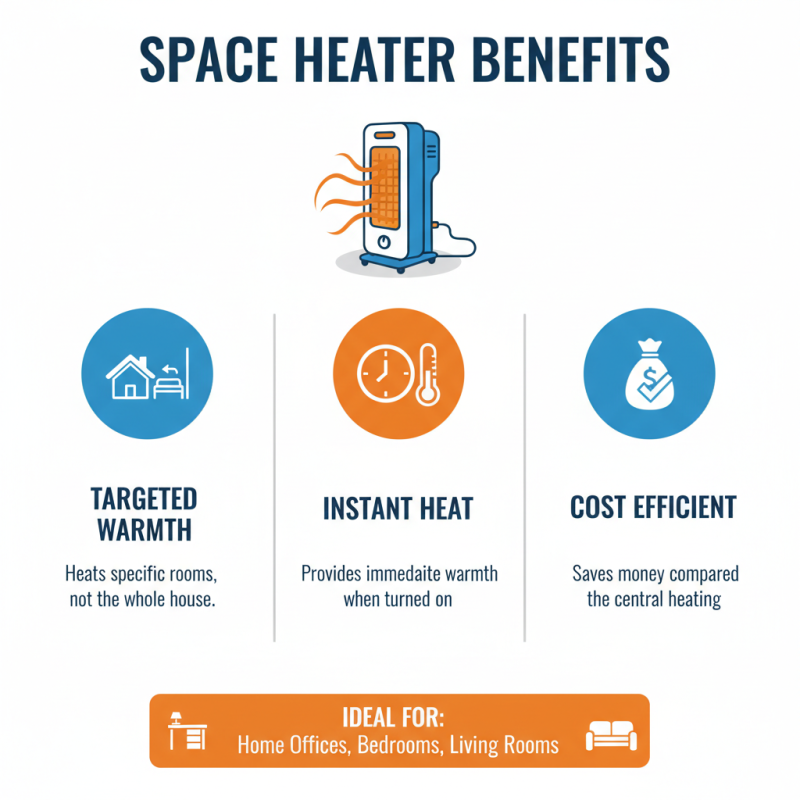
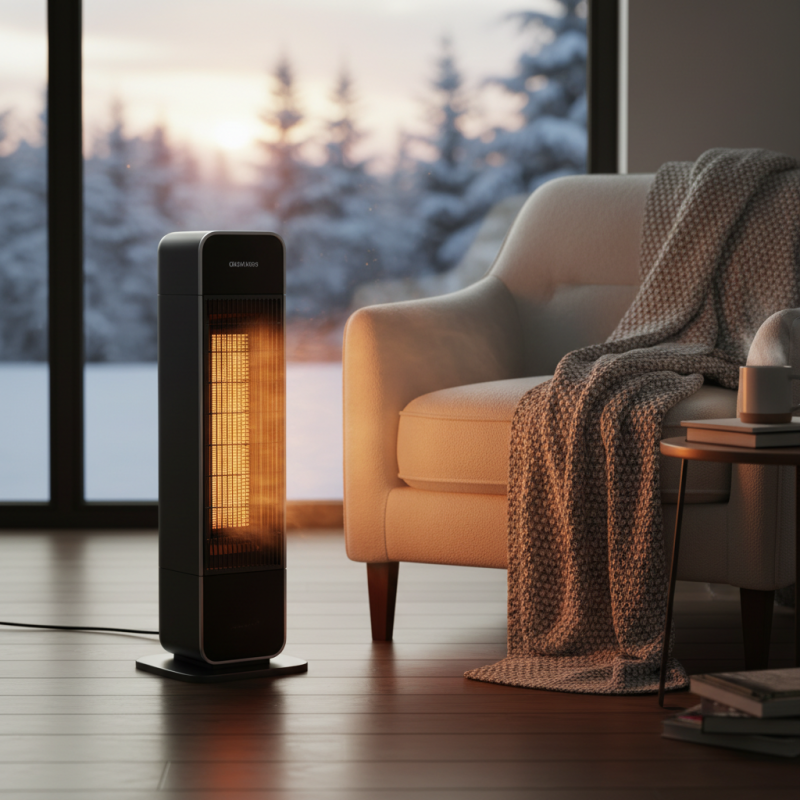
A space heater is a device designed to heat individual rooms or specific areas. It provides immediate warmth and is useful during cold months. Unlike central heating, it offers targeted heating where you need it most. This makes it popular for home offices, bedrooms, or living rooms.
These heaters work by converting electrical energy into heat. They can either use convection or radiation. Convection heaters warm up the air around them. Meanwhile, radiant heaters focus on heating objects and people directly. This distinction is crucial for choosing the right type. Some spaces may require quick warmth, while others benefit from sustained heat.
While space heaters can be effective, they aren't without flaws. Overusing them can increase energy bills. They may also pose a fire hazard if left unattended. Additionally, not all models are energy-efficient. It's essential to consider these factors before relying heavily on one. The convenience they offer can sometimes lead to overlooked risks.
Types of Space Heaters and Their Features
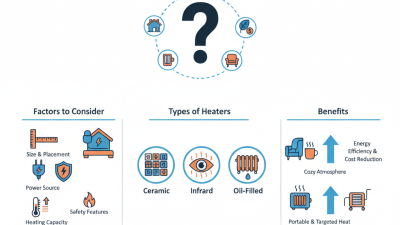
Space heaters come in various types, each designed to meet specific heating needs. One popular type is the convection heater, which warms the air in a room. These heaters can take time to heat a space fully, sometimes leaving cold spots. Another option is the infrared heater, which heats objects directly without much delay. This type can offer immediate warmth but may not be effective in larger areas.
There are also radiant heaters that provide warmth through infrared radiation. They are efficient for small areas and work quickly. However, they can pose a safety risk if not monitored properly. Oil-filled radiators are another choice, known for maintaining heat for a longer period. While they are silent and efficient, they can be bulky and take time to heat up.
Each type has its features and limitations. Choosing a heater requires understanding your specific space and needs. Some heaters have adjustable thermostats while others do not. Consider energy efficiency and safety features when selecting one. Not every heater fits every room perfectly, so trial and error might be necessary.
How Space Heaters Generate Heat
Space heaters are devices designed to heat specific areas. They generate heat through various methods, such as convection, radiation, or a combination of both. Convection heaters warm the air around them, while radiant heaters emit infrared radiation to directly heat objects and people in their path.
Many space heaters use electric coils to produce heat. When electricity flows through these coils, they become hot. This heat is then transferred to the air or objects nearby. Some models incorporate fans to circulate warm air more effectively. This can enhance comfort in a larger space, making it feel less chilly.
Tips: Always place your space heater on a flat, stable surface. Keep it away from flammable materials to avoid fire hazards. It’s best to turn it off when you leave the room. Another thing to consider is the heater’s energy efficiency. Not all heaters are created equal. Some consume more energy and can inflate your electricity bill.
Be mindful of how long you run your space heater. Prolonged use can lead to overheating. Consider using timers or programmable settings if available. Not every heater suits your needs. Take the time to evaluate the size and insulation of your room for optimal performance.
Safety Considerations When Using Space Heaters
Space heaters can provide comfort in colder months, but they also pose potential risks. In fact, the U.S. Consumer Product Safety Commission (CPSC) reports that space heaters are involved in about 32% of home heating fires. This statistic highlights the importance of safety when using these devices. Improper use can lead to fires, burns, and carbon monoxide poisoning.
Ensuring proper placement of space heaters is critical. They should be kept at least three feet away from flammable materials like curtains and bedding. Additionally, never leave a space heater unattended, especially when sleeping. According to the National Fire Protection Association (NFPA), nearly half of home heating fire deaths occur because heating equipment was left unattended. This emphasizes the need to turn off space heaters when not in use.
Regular maintenance of space heaters can also enhance safety. Dust and debris can block vents, leading to overheating. The CPSC recommends cleaning heaters periodically and inspecting the power cords for damage. Using a space heater with safety features, like automatic shut-off and tip-over protection, can further reduce risks. Though space heaters can be effective, safety must always come first.
Energy Efficiency and Environmental Impact of Space Heaters
Space heaters are popular for their ability to provide warmth in specific areas. However, their energy efficiency and environmental impact deserve more attention. Many space heaters use electricity as a power source. This can lead to high energy bills, especially during long, cold months. In households, these costs can add up quickly.
While some models are designed to be energy efficient, not all deliver on this promise. Inefficient space heaters may consume more energy while providing less warmth. It's essential to consider the heater's wattage and the size of the room. For example, a small heater in a large room will struggle to maintain a comfortable temperature.
Environmental impact is another crucial aspect. The energy used by space heaters often comes from non-renewable sources. This creates a larger carbon footprint. Individuals need to reflect on their choices. Are they using space heaters responsibly? Utilizing insulation and sealing drafts can lessen reliance on these appliances. Ultimately, being mindful of energy consumption can lead to both cost savings and a positive environmental impact.
What is a Space Heater and How Does It Work? - Energy Efficiency and Environmental Impact of Space Heaters
| Feature |
Description |
Energy Efficiency Rating |
Environmental Impact |
| Convection Heaters |
Heat the air, which then circulates around the room. |
B to A++ |
Low emissions, effective for heating small spaces. |
| Radiant Heaters |
Directly warms objects and people in the room. |
A to A++ |
Minimal air pollution, but can be less effective in drafty spaces. |
| Micathermic Heaters |
Hybrid heaters that combine convection and radiant heating. |
A+ |
Generally eco-friendly, with no combustion emissions. |
| Oil-Filled Radiators |
Heated oil inside the radiator warms the metal, radiating heat. |
A+ |
Low emissions and efficient for prolonged use. |
| Infrared Heaters |
Uses infrared radiation to heat directly without warming the air. |
A+ |
Very efficient, but can lead to higher energy bills if used improperly. |