What is a Space Heater and How Does It Work?
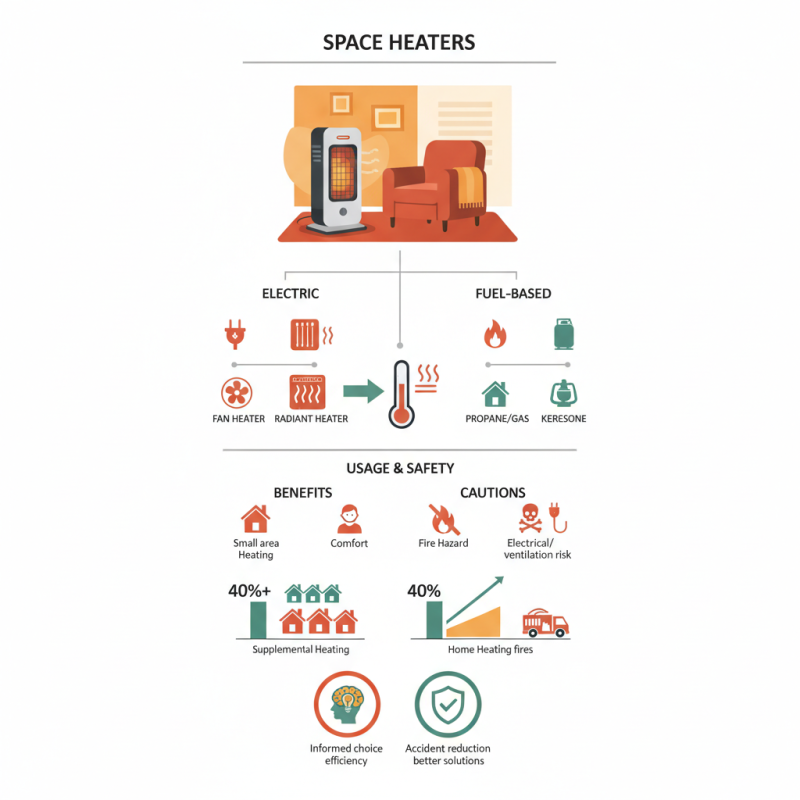
A space heater is an effective tool for heating small areas. According to the U.S. Department of Energy, over 40% of U.S. households rely on supplemental heating. Space heaters come in various types, including electric and gas models. Their efficiency can significantly enhance comfort during cold seasons.
However, using a space heater comes with responsibilities. The Consumer Product Safety Commission reported that space heaters contribute to around 40% of home heating fires. Therefore, it’s crucial to practice safety guidelines. Many users overlook the need for proper ventilation and placement. This oversight can lead to hazards.
Understanding how a space heater works can improve user experience. These devices convert electricity or fuel into heat, which is then distributed. Yet, not all space heaters are energy-efficient. Learning about their operation helps consumers make informed choices. It also reduces the risk of accidents and promotes better heating solutions for homes.
Definition and Purpose of a Space Heater
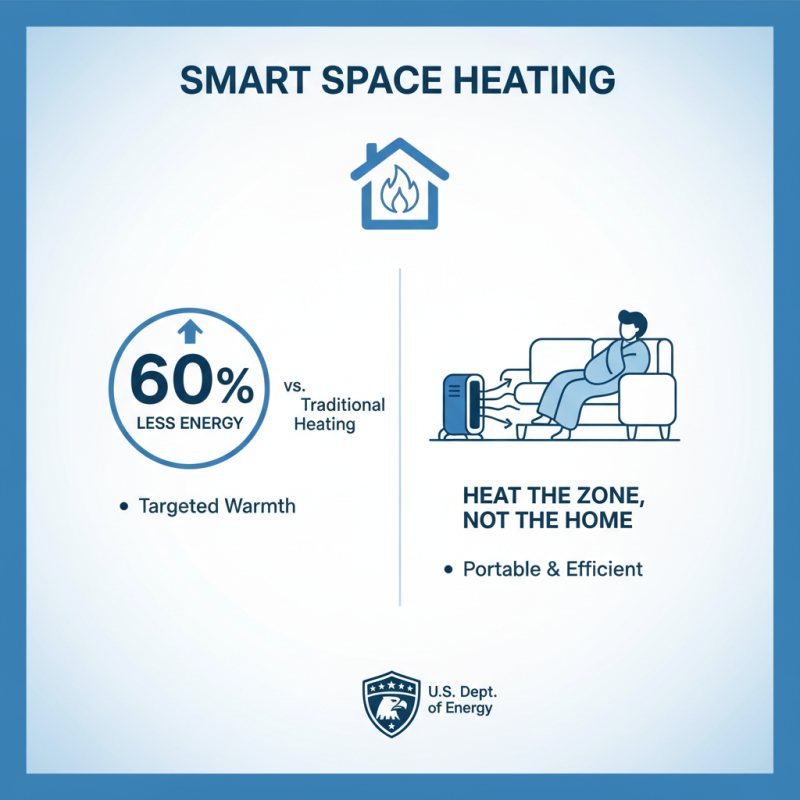
A space heater is a portable device designed to heat specific areas rather than entire buildings. The purpose of a space heater is to provide efficient warmth in targeted spaces, such as rooms or offices. According to the U.S. Department of Energy, space heaters can use 60% less energy than traditional heating systems when used correctly.
Space heaters come in various types, including electric, gas, and oil-filled models. Each type offers different advantages. Electric heaters are easy to use and maintain, but they can increase electricity bills if overused. Gas heaters are often more energy-efficient, yet they come with risks of leakage and require proper ventilation. A report by the National Fire Protection Association indicates that space heaters cause about 44% of home heating fires. This highlights the need for safe practices when using these devices.
While space heaters are practical for personal comfort, they also have limitations. They are not a full replacement for central heating systems. In larger spaces, their effectiveness diminishes. Additionally, they can sometimes overheat or malfunction if not properly maintained. Users must be cautious and regularly inspect heaters for safety hazards. It is essential to weigh both their benefits and potential risks carefully.
Types of Space Heaters: An Overview
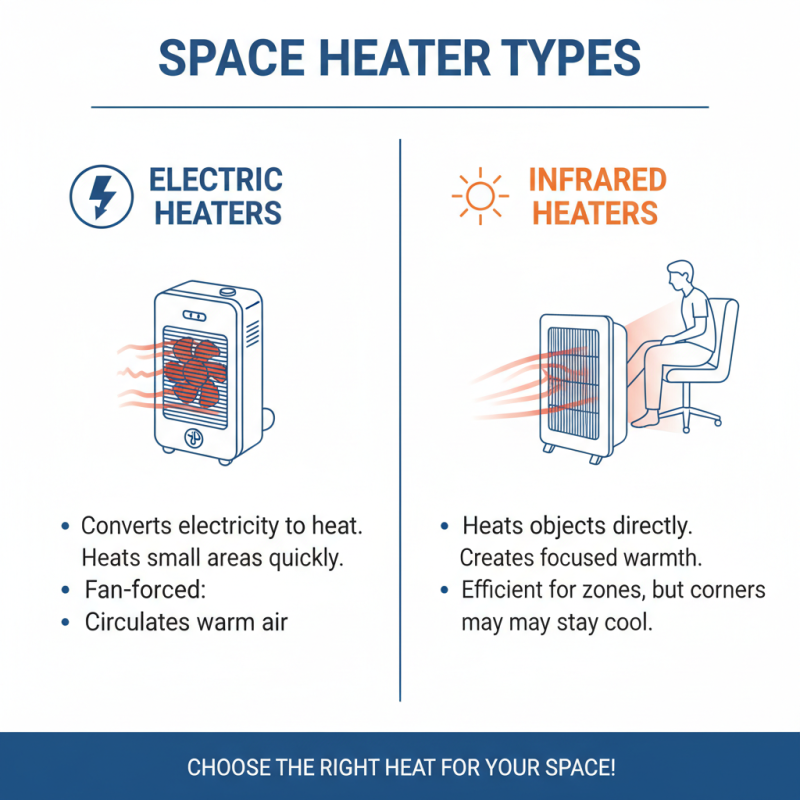
Space heaters come in various types, each designed for specific needs. Electric space heaters are very common. They convert electricity into heat, providing quick warmth to small areas. Some models use fan-forced convection to circulate air. Infrared heaters work differently. They heat objects directly, creating a cozy environment without warming the entire room. This can be efficient but may leave some corners cold.
Another option is gas heaters, often used in larger spaces. They burn natural gas or propane to generate heat. These heaters can produce a lot of warmth quickly. However, they require proper ventilation to ensure safety. Lastly, ceramic heaters use a heating element covered in ceramic. This type retains heat well and can distribute warmth evenly, but their efficiency may decrease over time.
Each type of heater has its own set of advantages and drawbacks. For instance, electric heaters are portable but can increase electricity bills. Gas heaters warm larger areas fast but must be used with caution. Understanding these differences helps you choose a space heater that suits your needs. Always consider your heating requirements and energy costs before deciding.
How Space Heaters Generate Heat
A space heater is a device designed to generate heat for small areas. It can be an efficient way to stay warm. Space heaters use different methods to produce heat. Some rely on convection, while others use radiation.
Convection heaters warm the air around them. They draw in cool air, heat it, and then release warm air. This process continues, creating a cozy atmosphere. In contrast, radiant heaters emit infrared radiation. They directly heat objects and people in the room rather than the air itself. This method can be particularly effective in large, open spaces.
**Tips: Consider placing a radiant heater near seating areas. This can maximize warmth where you spend the most time. Always ensure your space heater is on a stable surface to avoid any accidents. Be cautious with the heater’s placement near flammable materials.**
Energy Consumption of Different Types of Space Heaters
Safety Features of Space Heaters
Space heaters are popular for their efficiency in warming small areas. However, safety is a major concern. According to the U.S. Consumer Product Safety Commission, space heaters account for about 43% of home heating fire deaths. This statistic highlights the importance of safety features in making these devices safer to use.
Most modern space heaters come with essential safety elements. For example, tip-over protection automatically shuts off the heater if it falls. Moreover, overheat protection prevents the unit from operating when it reaches high temperatures. These features minimize risks associated with accidental fires or overheating. Sadly, not all heaters include these features. Consumers must read labels and reviews to identify
safer options.
In a recent survey, over 60% of respondents expressed concerns about using space heaters. Many worry about fire hazards and energy consumption. While they are an effective heating solution, it is crucial to use them responsibly. Proper placement and regular maintenance can enhance safety. Ultimately, understanding these risks is vital for safe usage in any home.
Energy Efficiency and Cost Considerations
Space heaters are popular for targeted heating. They provide comfort in small spaces without heating the entire house. However, energy efficiency is a significant concern. When using these devices, understanding their impact on energy costs is crucial.
Space heaters can consume a lot of electricity. Many people underestimate this factor. For instance, if used continuously, the costs can add up quickly. It's important to choose a heater with the right wattage for your space. A unit that’s too powerful might waste energy. Meanwhile, an underpowered heater will struggle to maintain warmth.
Setting a timer can help manage usage. Programmable settings can help save energy. Using space heaters strategically, such as in bedrooms or home offices, can lead to significant savings. But remember, they aren’t a substitute for a well-insulated home. Overall, careful planning is essential for effective use.