What is Structural Silicone Sealant and Its Benefits?
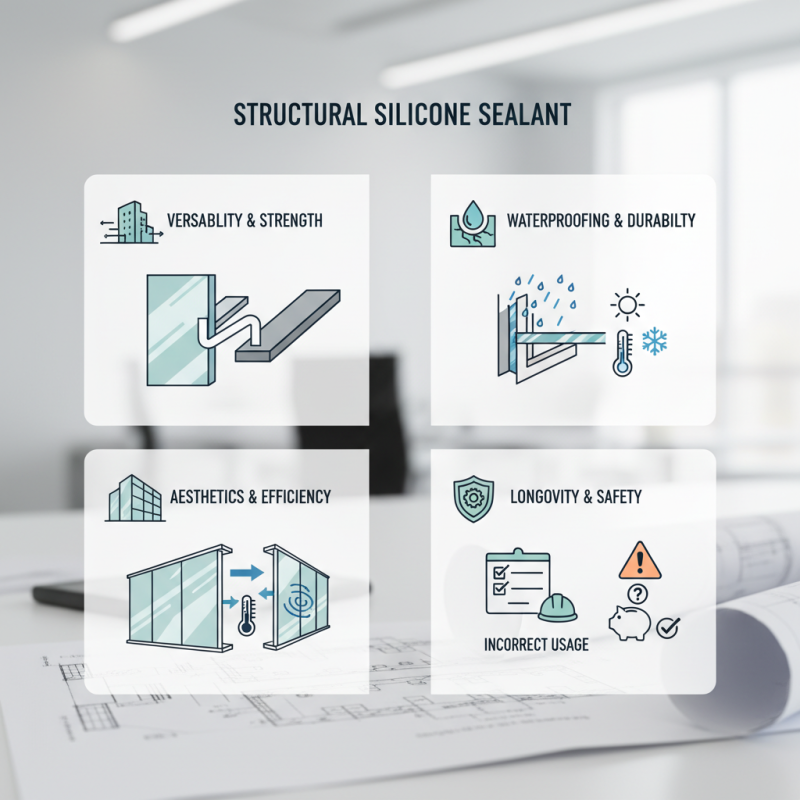
Structural Silicone Sealant is a versatile adhesive used in construction and building projects. It is known for its strong bonding capabilities and flexibility. This material plays a crucial role in providing waterproofing and weatherproofing. Architects and builders frequently use Structural Silicone Sealant for both safety and aesthetics.
In recent years, its popularity has surged. The sealant offers superior durability compared to traditional options. It maintains its integrity even in extreme temperatures. This makes it ideal for areas with fluctuating weather conditions. However, some users overlook proper application techniques, which can lead to failures. It's essential to educate oneself on its usage.
The advantages of Structural Silicone Sealant are significant. It enhances glass façade installations and improves energy efficiency. Additionally, it ensures longevity in various applications. While the benefits are clear, understanding its limitations is also crucial. Investing time in learning about this material can prevent costly mistakes in the future.
What is Structural Silicone Sealant?
Structural silicone sealant is an advanced adhesive designed for strong bonding in construction and architecture. It primarily comprises silicone polymers, offering flexibility and durability. This sealant withstands extreme weather conditions, making it suitable for various applications. It adheres to glass, metal, and concrete, ensuring a robust and reliable connection.
In practice, structural silicone is essential for sealing curtain walls and glass facades. It provides not just adhesion but also protects against water and air leaks. However, its application requires expert knowledge for optimal results. Improper installation can lead to failures, such as detachment or moisture penetration. This emphasizes the need for skilled professionals in the field. Many projects have faced challenges due to inadequate surface preparation, highlighting the importance of attention to detail.
The longevity and performance of structural silicone sealant are noteworthy benefits. It can last for decades when applied correctly. Yet, there are instances where unexpected environmental factors cause breakdowns. Regular inspections are crucial to ensure the sealant remains intact over time. Ultimately, while structural silicone sealant provides numerous advantages, its effectiveness hinges on proper application and maintenance.
Key Properties of Structural Silicone Sealant
Structural silicone sealant is essential in construction and architectural design. Its key properties significantly contribute to structural integrity and aesthetic appeal. This type of sealant offers exceptional adhesion to various substrates, which allows it to withstand diverse weather conditions.
One notable property is its high tensile strength. According to a report by the American Institute of Architects, structural silicone sealants can maintain adhesion under extreme tension, a feature that is crucial for glass facades. Additionally, the elongation capability of these sealants can exceed 300%, which enables them to accommodate building movement without compromising their seal.
Another significant advantage lies in its durability. Structural silicone sealants are resistant to ultraviolet light and harsh environmental factors, which prolongs the life of building materials. A study indicated that proper application could extend a sealant's lifespan to over 25 years. However, misapplication or inadequate surface preparation can lead to premature failure, highlighting the need for precision in application processes. Understanding these properties helps builders and architects make informed decisions in their projects.
Common Applications of Structural Silicone Sealant
Structural silicone sealant is widely used in the construction industry. Its strength and durability make it ideal for various applications. One notable use is in curtain wall systems, which provide stability to large glass facades. Reports indicate that these systems, when properly sealed, can withstand wind loads exceeding 180 pounds per square foot. This is crucial for high-rise buildings.
Another common application is in aerospace. Structural silicone sealants are used to bond aircraft components. They help maintain structural integrity while reducing weight. According to industry data, using these sealants can save up to 10% in overall aircraft weight, enhancing fuel efficiency.
These sealants also find roles in the automotive sector. Manufacturers use them to ensure airtight seals in vehicles, contributing to safety and energy efficiency. However, it is essential to ensure proper application. Improper installation can lead to seal failure, impacting performance. Continuous training and adherence to guidelines are vital for optimal results.
What is Structural Silicone Sealant and Its Benefits? - Common Applications of Structural Silicone Sealant
| Application Area | Benefits | Typical Use Cases |
| Glazing | Provides excellent bond strength and durability | Curtain walls, windows, and glass facades |
| Structural Bonding | Flexible and can withstand structural movement | Prefabricated buildings, signage, and sculptures |
| Weatherproofing | Exceptional weather resistance, UV stability | Building joints, windows, and roofs |
| Sealing | Long-lasting and strong adhesion to various materials | Plumbing fixtures, HVAC systems, and thermal insulation |
| Electrical Applications | Provides insulation and protection from moisture | Electrical enclosures and component assembly |
Advantages of Using Structural Silicone Sealant
Structural silicone sealant is a versatile adhesive used in construction and glazing applications. It provides a reliable bond for glass, metal, and concrete surfaces. One key advantage of using this sealant is its ability to accommodate movement and expansion. This flexibility helps prevent cracks and maintains the integrity of structures even under stress.
Another benefit is its durability. Structural silicone sealants are designed to withstand extreme weather conditions, including heavy rain and UV exposure. This resistance extends the lifespan of buildings and reduces maintenance costs over time. Additionally, these sealants offer excellent adhesion properties which strengthen the overall structure.
**Tips:** When applying structural silicone sealant, ensure surfaces are clean and dry. A proper surface preparation enhances bonding. Also, consider the curing time. Patience is essential for optimal results. In some cases, it may be worth testing on a small area first to avoid potential issues.
Another point to reflect on is the importance of choosing the right type for specific projects. Not all sealants are created equal. Be mindful of environmental factors, as some formulations may not perform well in all climates. Checking compatibility with different materials is crucial.
Comparison with Other Sealant Types
Structural silicone sealant offers strong adhesion and flexibility. It is widely used in construction and manufacturing. Compared to traditional sealants, structural silicone withstands extreme weather conditions. It is also UV resistant. This makes it ideal for exterior applications. Other sealants may not endure the same level of stress.
In contrast, polyurethane and acrylic sealants have specific advantages. Polyurethane sealants cure quickly and provide excellent bonding. They are ideal for various surfaces, but they can be sensitive to moisture. Acrylics are easy to apply but often require paint for durability. They may not handle heavy structural loads well.
Tips: When choosing a sealant, consider your project’s demands. Ensure the sealant adheres well to the surfaces involved. Testing in a small area first can avoid larger issues later. Always think about long-term performance. Measure how much flexibility and durability you need from the sealant.