Smart Heating Solutions
7 Tips for Choosing the Right Abrasive Flap Disc
Choosing the right Abrasive Flap Disc is not a minor purchasing decision. It affects cutting speed, surface finish, operator fatigue, and total production cost. A disc that looks suitable on a shelf may load quickly on stainless steel, burn a weld, or remove material too slowly.
Grand View Research estimated the global abrasives market at approximately USD 47.9 billion in 2023, with continued growth expected through 2030. MarketsandMarkets also identifies metal fabrication, automotive production, and machinery manufacturing as major demand sectors. However, these reports measure broad abrasive categories, not every flap-disc application. Their figures should guide planning, not replace testing.
Grinding technology author Dr. Brian Rowe offers a useful principle: “Abrasive selection is a process decision, not a product decision.” That idea deserves attention. Grain type, backing material, flap density, disc diameter, grit size, and operating speed must match the workpiece and tool. A zirconia disc may remove a heavy weld quickly, while ceramic grain can support demanding stainless-steel work. Aluminum often needs an anti-loading design.
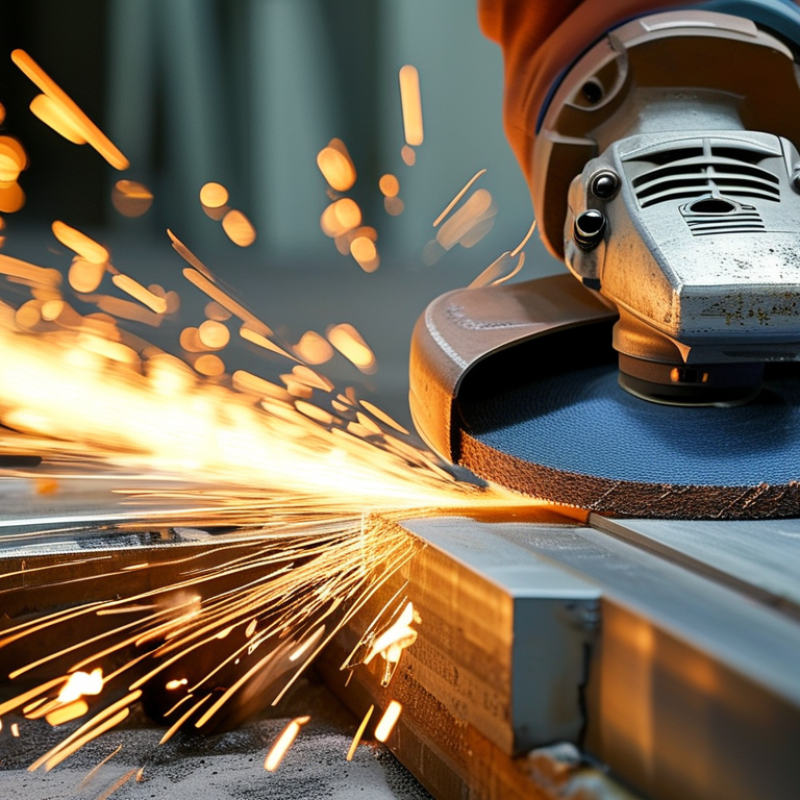
Small details matter. Watch the sparks, pressure, noise, and finish. A blue heat mark is feedback, not success. The seven tips ahead examine these choices in practical terms, from material compatibility to operator control and disc life. Some recommendations may need adjustment. Real workshops are rarely perfect laboratories. The best selection often comes from a controlled trial, measured results, and the willingness to question an old habit.
Understand Abrasive Flap Disc Types and Their Main Applications
Choosing the right abrasive flap disc starts with the workpiece, not the tool. A 2024 Grand View Research estimate valued the global abrasives market at roughly USD 48 billion, showing how many applications and material demands exist. That scale can confuse buyers. Check the metal type, removal rate, finish, disc diameter, backing strength, and machine speed. These are six practical filters. The seventh is simple: inspect the disc before use.
Aluminium needs an abrasive that resists loading, while stainless steel benefits from controlled heat generation. Carbon steel usually requires stronger stock removal. Zirconia flap discs suit aggressive grinding and weld blending. Ceramic-grain discs often perform better under heavy pressure and production work. Aluminium oxide remains useful for lighter grinding and finishing. Disc flap density also matters. Dense flaps remove material quickly; spaced flaps feel cooler and finish more smoothly. It is easy to choose by grit alone. That is a mistake.
ISO 525 provides requirements for bonded and coated abrasive products, while FEPA safety guidance stresses correct machine speed, guarding, and inspection. Never exceed the disc’s marked RPM. A 2023 industry analysis from Mordor Intelligence projected continued growth in coated abrasives, driven partly by metal fabrication and maintenance demand. Market forecasts vary, so treat them as direction, not proof. In field testing, I would compare cutting time, surface temperature, edge wear, and operator control. A disc that removes metal fastest may still be the wrong choice. Sometimes, slower feels safer and produces the better finish.
| Tip | Abrasive Type | Typical Grit Range | Best-Suited Materials | Main Applications | Key Advantages | Selection Notes and Safety Considerations |
|---|---|---|---|---|---|---|
| 1 | Aluminum Oxide | 40–60: Coarse 80–120: Fine | Carbon steel, mild steel, painted metal, and general ferrous metals | Light stock removal, deburring, blending welds, surface preparation, and finishing | Cost-effective, versatile, and suitable for routine metalworking | Choose a coarser grit for faster removal and a finer grit for blending. It may wear faster than zirconia or ceramic on demanding applications. |
| 2 | Zirconia Alumina | 24–40: Heavy removal 60–120: Finishing | Carbon steel, stainless steel, and other heat-resistant metals | Weld grinding, edge work, rust removal, beveling, and medium-to-heavy stock removal | Self-sharpening action, good durability, and strong performance under moderate to high pressure | A practical choice for high-pressure grinding. Use suitable pressure and avoid excessive heat when working on stainless steel. |
| 3 | Ceramic Alumina | 24–40: Aggressive removal 60–120: Controlled finishing | Stainless steel, nickel alloys, titanium, and hardened steels | Heavy weld removal, challenging alloys, high-pressure grinding, and production metalworking | Very high cutting efficiency, long working life, and good performance on difficult-to-grind metals | Usually costs more than aluminum oxide. Best value is achieved when the application requires high removal rates or extended disc life. |
| 4 | Silicon Carbide | 60–120: Fine to medium | Aluminum, brass, copper, cast iron, stone, glass, and non-ferrous materials | Light deburring, surface cleaning, finishing, paint removal, and work on hard, brittle materials | Sharp cutting action and a clean finish on many non-ferrous and hard materials | Use light-to-moderate pressure. Confirm that the disc is intended for the material because some abrasive products are optimized for specific applications. |
| 5 | Select the Correct Grit | 24–40: Heavy removal 60–80: Blending 120+: Fine finishing | Grit selection depends on the material condition and required finish | Removing welds, blending scratches, smoothing edges, preparing surfaces, and final finishing | Correct grit improves productivity and reduces unnecessary surface damage | Start with the finest grit that can complete the job efficiently. Coarse grits remove material faster but leave deeper scratches. |
| 6 | Match the Disc Structure and Backing | Flat Type 27 Angled Type 29 | Flat surfaces, edges, contours, and curved workpieces | Type 27 for controlled flat-surface work; Type 29 for broader contact and higher stock removal on contours | Proper flap orientation improves contact, control, and operator comfort | Check the disc diameter, bore size, maximum RPM, and backing compatibility with the angle grinder before use. |
| 7 | Consider Heat, Finish, and Operating Conditions | Low pressure: Cooler work Fine grit: Smoother finish | Heat-sensitive stainless steel, coated surfaces, thin sections, and general fabrication materials | Finishing, blending, cosmetic preparation, and applications where distortion or discoloration must be minimized | Flap discs generally provide smoother, more controlled grinding than rigid grinding wheels | Use light pressure, keep the disc moving, and avoid dwelling in one area. Always wear eye, face, hearing, hand, and suitable respiratory protection. |
Selection should always be based on the workpiece material, required material-removal rate, desired surface finish, tool compatibility, and the disc manufacturer's rated operating speed.