Smart Heating Solutions
Choosing a packaging line is rarely about buying the fastest machine. It is about matching reliable equipment to the product, package, and people who will run it. This guide to Best Food Packaging Machine Manufacturers 2026 explores suppliers across filling, sealing, wrapping, and integrated line systems. A good Food Packaging Machine Manufacturer should explain how its equipment performs with your actual containers, materials, and production targets—not just ideal samples.
Details matter. A pouch line may need quick changeovers, while a bottle filler depends on consistent dosing and clean product contact surfaces. Ask for documented output rates, changeover steps, available spare parts, and service response expectations. Where possible, review customer references and arrange a product trial or factory acceptance test. Watch the seals. Check the controls. Ask what happens when a sensor fails during a busy shift.
No single feature tells the full story. A high-speed machine can be a poor fit if the plant lacks trained operators or suitable maintenance support. Some comparison points also vary by product and package, so published specifications should be checked against real operating conditions. That is easy to overlook. This overview is a starting point, not a substitute for technical review. The strongest shortlist will balance performance, sanitation design, flexibility, support, and total ownership costs—and leave room for a few inconvenient questions before a purchase decision.
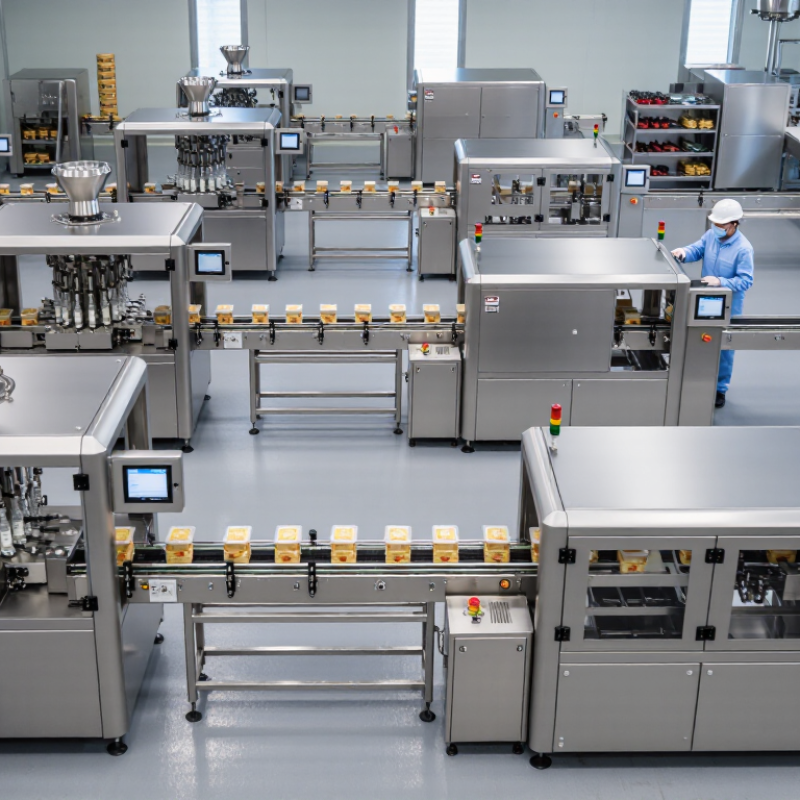
Food packaging machinery covers more than filling and sealing. A complete line may include product feeding, weighing, filling, forming, sealing, coding, inspection, case packing, and palletizing. Each station handles a different risk: a sauce filler must control drips, while a snack line must protect fragile pieces from crushing. The boundaries matter. A machine’s rated speed means little if upstream feeding or downstream case packing causes frequent stops.
PMMI’s 2023 State of the Industry report valued U.S. packaging machinery shipments at $10.9 billion in 2022. That figure covers packaging machinery broadly, not food equipment alone, so it signals market scale rather than food-sector demand. Buyers should assess changeover time, washdown access, film and container flexibility, reject tracking, and integration with existing controls. Ask for measured output using the intended product and package, not an ideal test material. Small details matter. A hard-to-reach seal jaw or poorly placed sensor can slow routine cleaning and troubleshooting. Yet specifications rarely show the whole story; operators’ feedback and a factory acceptance test can expose gaps before installation.
A practical view of the equipment groups commonly found across food packaging lines.
The bars count example equipment functions in this scope map—not market share, sales, or manufacturer counts. Typical equipment includes filling and sealing machines, inspection systems, cartoners, case packers, and palletizers. Actual line configurations depend on the product, packaging format, throughput, and hygiene requirements.
Best Food Packaging Machine Manufacturers 2026
Criteria for Evaluating Manufacturers in 2026
Choosing a food packaging machine manufacturer takes more than comparing line speed. Check whether the equipment handles your actual product: sticky sauce, fragile biscuits, or chilled meals with condensation on the film. Ask for documented changeover times, reject rates, and uptime from comparable installations. A polished demonstration is useful, but production records matter more. Hygiene design, accessible cleaning points, spare-parts availability, and technician response times also deserve close review. Small details count.
The scale of food loss makes reliable packaging equipment relevant, though it is not a complete solution. FAO’s 2023 SDG Progress Report estimated that 13.2% of food was lost between harvest and retail in 2021. UNEP’s Food Waste Index Report 2024 estimated 1.05 billion tonnes of food waste in 2022 across households, food service, and retail. These figures cover wider supply-chain problems, not packaging-machine performance specifically. Still, they support evaluating seal consistency, protective formats, and the ability to avoid unnecessary product rejects. Ask manufacturers how they measure these outcomes, and request test results using your own materials.
Tips: Run a factory acceptance test with your product and packaging film. Record seal strength, changeover time, and rejected packs. Then check one awkward detail: who answers when the line stops at night? You may not get a perfect answer. Reflect on whether the service plan fits your real operating hours.
In 2026, leading food packaging machine manufacturers often focus on specific stages of production. Some design vertical form-fill-seal systems for bags of snacks or frozen vegetables. Others specialize in thermoforming equipment, which shapes trays before filling and sealing. Cartoning and case-packing specialists help move finished packs into shipping units. Fit matters. A supplier’s specialty should match the product, package material, line speed, and available floor space.
Tips: Test the machine with your own product and packaging film. Ask for measured output, seal-quality checks, changeover times, and cleaning instructions. Request details on spare parts and service response, too. Ask for proof, not just a brochure.
A careful comparison looks beyond quoted speed. Check whether operators can clear a jam safely and adjust settings without long delays. For wet or dusty production areas, confirm that the machine’s design suits the cleaning routine. Review the warranty and training scope in writing. A short factory demonstration can still miss real shift conditions, so plan a production trial when possible. Small details count. A less obvious question: will the equipment remain practical when recipes, pack sizes, or staffing change?
| Manufacturer Specialization | Core Machine Type | Typical Packaging Format | Common Food Applications | Key Selection Considerations |
|---|---|---|---|---|
| Flexible-film bagging specialists | Vertical form-fill-seal (VFFS) systems that form bags from a roll of packaging film, fill them, and seal them. | Pillow bags, gusseted bags, and some block-bottom formats, depending on machine configuration. | Snack foods, grains, powders, frozen foods, and other products suited to bag packaging. | Product handling method, bag style, film compatibility, target output, and changeover requirements. |
| Flow-wrapping specialists | Horizontal form-fill-seal (HFFS) flow wrappers that wrap individual products in film and create sealed packages. | Fin-sealed or lap-sealed pillow packs. | Bakery products, confectionery, snack bars, and regularly shaped individual foods. | Product dimensions, feeding and spacing method, seal requirements, and integration with upstream conveyors. |
| Thermoforming specialists | Thermoform-fill-seal systems that heat and form packaging film into cavities, fill them, and seal them with lidding material. | Formed trays, cups, or other cavity-style packs with a sealed top web. | Fresh meat, cheese, prepared foods, and other products requiring a formed package. | Forming depth, package layout, film and lidding compatibility, and whether vacuum or gas flushing is required. |
| Tray-sealing specialists | Tray sealers that apply and seal lidding film to preformed trays; some configurations support vacuum or gas flushing. | Preformed trays with heat-sealed film lids. | Ready meals, fresh produce, meat, seafood, and prepared foods. | Tray material and dimensions, sealing method, line speed, and requirements for modified-atmosphere packaging. |
| Vacuum-pouch packaging specialists | Chamber vacuum machines or automated vacuum pouch lines that remove air from a pouch before sealing. | Vacuum-sealed flexible pouches. | Meat, fish, cheese, and other foods commonly packed in vacuum pouches. | Product size, pouch material, required throughput, sealing-bar configuration, and cleaning needs. |
| Food-filling specialists | Liquid, paste, or particulate filling systems using suitable dosing methods such as volumetric, gravimetric, or flow-based filling. | Bottles, jars, tubs, cups, and other containers, depending on the line design. | Sauces, beverages, dairy products, oils, spreads, and portioned foods. | Product viscosity and particulates, fill accuracy, container range, hygienic design, and cleaning method. |
| Cartoning and end-of-line specialists | Cartoners, case packers, and related systems that group primary packages into cartons or shipping cases. | Retail cartons, multipacks, and corrugated shipping cases. | Packaged snacks, frozen foods, beverage containers, and shelf-ready food products. | Pack pattern, case dimensions, product orientation, rate matching, and coordination with upstream equipment. |
| Integrated packaging-line specialists | Configured lines combining functions such as feeding, filling, sealing, labeling, inspection, and case packing. | Formats vary according to the primary packaging machine and the complete line layout. | Food producers seeking coordinated packaging operations from product infeed through secondary packing. | Line layout, controls integration, sanitation access, product changeovers, and support for the full system. |
| Note: This comparison describes common manufacturer specialization categories and established packaging-machine functions. Machine capabilities vary by configuration; confirm product compatibility, applicable food-safety requirements, performance specifications, and service support directly with suppliers. | ||||
Food packaging machinery now serves far more than high-speed snack lines. Fresh produce needs gentle weighing and breathable films; frozen meals need reliable sealing after cold filling. Dairy plants often prioritize hygienic design and fast changeovers, while bakeries need equipment that handles sticky dough without crushing delicate products.
The scale is substantial. Grand View Research estimated the global packaging machinery market at USD 45.8 billion in 2023, with projected growth through 2030. That figure spans multiple sectors, so it is not a food-only measure. Still, it reflects rising demand for filling, sealing, labeling, and inspection systems. FAO’s 2023 food-loss data estimated that 13.2% of food was lost between harvest and retail. Packaging cannot prevent every loss, but sound sealing and portion control can help protect products in transit. That matters.
For manufacturers comparing equipment in 2026, match the technology to the product first. A vertical form-fill-seal line may suit powders; tray sealers may better fit prepared meals. Vision inspection can catch missing labels or poor seals, but it cannot correct a badly tuned process. Not every line needs full automation. One awkward truth: published market forecasts rarely show the floor-level costs of cleaning, changeovers, or operator training. Those details deserve careful questions before a purchase.
When comparing food packaging machine manufacturers in 2026, start with your actual product and package, not a brochure’s headline speed. Ask how the machine performs with your recipe, target fill weight, film, and daily operating hours. A line that handles dry granules smoothly may struggle with sticky pieces or irregular shapes. Request a production trial using representative materials. Measure usable output, changeover time, rejected packs, and cleaning time—not just the best run. Watch the seals closely. Tiny wrinkles can become costly waste. A quick demonstration is useful, but it may not reflect a full shift.
Compare manufacturers on engineering support as carefully as equipment. Ask who handles installation, operator training, troubleshooting, and spare parts, and get response times in writing. Request references from plants with similar products and packaging formats. Check whether electrical drawings, manuals, and maintenance schedules are clear enough for your team to use. Also clarify what the quote excludes, such as conveyors, coding equipment, or site preparation. Price comparisons can be misleading. A lower initial cost may require more labor or frequent adjustments; a higher one is not automatically better. Your first specification may be imperfect, too. Review it with operators before signing, especially if product changes or seasonal peaks are likely.