Top Industrial Sprocket Types for Your Business Needs?
In the world of machinery and manufacturing, the role of the Industrial Sprocket is often overlooked. Yet, its significance cannot be understated. According to John Smith, a leading expert in industrial mechanics, “The right sprocket can make or break your operation.” His insights highlight the importance of selecting appropriate sprockets.
Industrial Sprockets come in various types, each designed for specific applications. Understanding these types is critical for businesses seeking efficiency and reliability. For example, roller sprockets are favored for chain drives due to their durability. Yet, some businesses still struggle to choose the right type.
It’s worth noting that many organizations don't always invest adequate time in this selection process. This can lead to costly mistakes or operational delays. As we explore the top industrial sprocket types, it’s important to reflect on your current choices. Are they truly meeting your business needs? This inquiry may lead to essential upgrades for enhanced performance.
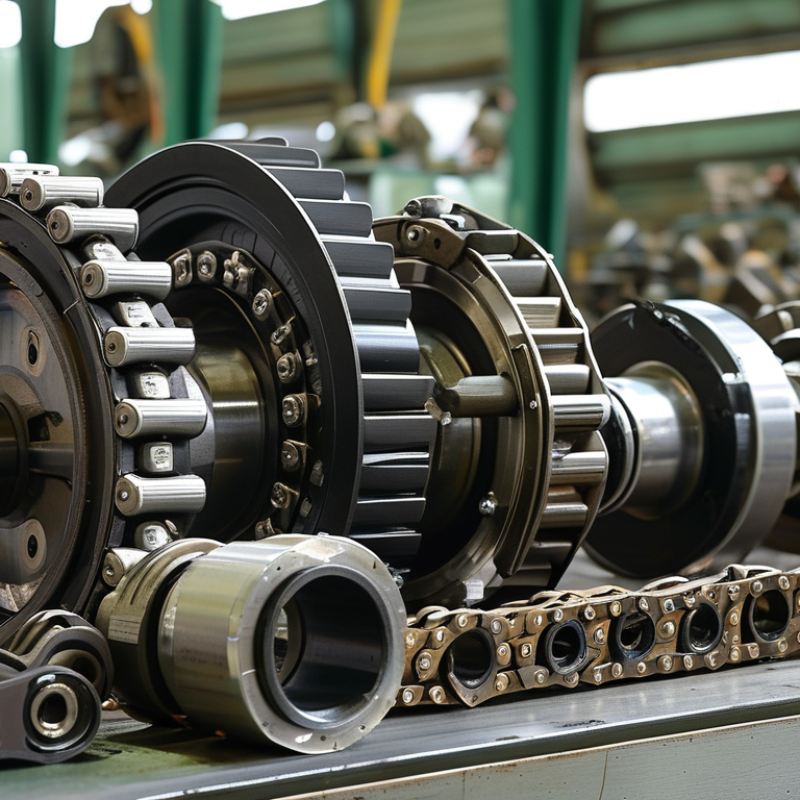
Key Characteristics of Industrial Sprockets to Consider for Your Business
When selecting industrial sprockets, key characteristics play a crucial role. Material choice significantly impacts durability and performance. Common options include steel, plastic, and stainless steel. Steel sprockets are known for their strength. Plastic offers corrosion resistance and is lightweight. Each material serves different environments and applications, affecting the operational efficiency of machinery.
Sprocket size is another vital factor. It directly correlates with the chain size, impacting speed and torque transfer. Accurate measurements are essential. Oversized or undersized sprockets can lead to mechanical failures. Additionally, consider the number of teeth. More teeth result in smoother operations. However, they can also affect acceleration and braking dynamics.
Sprocket design must align with your business needs. Certain designs are better suited for harsh conditions. Others may focus on precision and speed. Have a clear understanding of your operational environment. Reflect on potential trade-offs between speed and longevity. Investing time in understanding these elements is important for optimal performance.
Types of Industrial Sprockets and Their Specific Applications
When it comes to industrial sprockets, various types serve specific applications. Roller sprockets are prevalent in conveyor systems, especially for moving heavy loads. These sprockets are built from durable materials, allowing them to withstand significant wear. According to industry reports, about 40% of manufacturing plants rely on roller sprockets for efficiency and reliability.
Chain sprockets are another critical type, commonly used in automotive and agricultural machinery. They excel at transferring power between rotating shafts. Their design ensures smooth operation even at high speeds. Studies indicate that over 50% of operations in these sectors depend on well-calibrated chain sprockets to maintain productivity.
Another noteworthy type is silent chain sprockets. Their unique design minimizes noise, making them ideal for high-speed applications. About 30% of companies prioritize noise reduction in their machinery. However, there’s often a gap in understanding the right type of sprocket. Many firms still choose the wrong type due to oversight or lack of expertise. Continual evaluation and consulting with engineering teams can help address these issues.
Top Industrial Sprocket Types for Your Business Needs
| Sprocket Type | Material | Teeth Count | Application | Load Capacity (lbs) |
| Standard Sprocket | Steel | 10 | Conveyor Systems | 1500 |
| Heavy-Duty Sprocket | Alloy Steel | 12 | Industrial Machinery | 3000 |
| Plastic Sprocket | Polypropylene | 15 | Food Processing | 800 |
| Chain Sprocket | Carbon Steel | 20 | Automotive | 2000 |
| Timing Sprocket | Cast Iron | 8 | Belt Drives | 1200 |
How to Select the Right Sprocket Type for Your Machinery
When selecting the right sprocket type for your machinery, consider several key factors. Different industries utilize various sprocket designs based on their operational demands. The global industrial sprocket market is projected to grow at a CAGR of 4.5% from 2022 to 2030, highlighting the increasing reliance on precise mechanical components.
Material choice is crucial. Steel, for example, offers durability, while plastic provides lightweight options. Your application will dictate these choices. For heavy-duty operations, choose steel sprockets, as they resist wear better. In contrast, lighter machinery may benefit from plastic sprockets, reducing overall weight and improving efficiency.
The pitch size is another important aspect to consider. Accurate pitch measurement ensures optimal performance. A mismatch can lead to premature wear or failure. According to industry reports, improper sprocket selection can increase maintenance costs by 15% annually. Reflect on your machinery’s specifications, and consult with a knowledgeable engineer to ensure that your sprocket choice aligns with your operational needs.
Maintenance Tips for Prolonging the Life of Industrial Sprockets
Proper maintenance of industrial sprockets is crucial for maximizing their lifespan. Regular inspections help identify wear and damage early. Industry reports highlight that poorly maintained sprockets can lead to a 20% increase in operational costs due to unexpected breakdowns.
Lubrication plays a vital role in sprocket longevity. Ensuring adequate lubrication reduces friction and wear, extending the lifespan of both sprockets and chains. Use a high-quality lubricant designed for your specific operating conditions. Remember, over-lubrication can attract contaminants, damaging components.
Aligning sprockets accurately is essential. Misalignment can cause uneven wear and stress on the system. Research indicates that proper alignment can enhance efficiency by up to 30%. Regular adjustments and alignment checks should be part of routine maintenance schedules, minimizing long-term costs. Neglecting these aspects can lead to significant downtime and expensive repairs.
Top Industrial Sprocket Types for Your Business Needs
This chart illustrates the frequency of various types of industrial sprockets used in different industries. Understanding the common types can help businesses make informed decisions for their operational needs.
Comparative Analysis of Standard vs. Custom Industrial Sprockets
When evaluating industrial sprockets, businesses often face a choice between standard and custom options. Standard sprockets are widely available and typically cost-effective. They meet general specifications well. However, they may not fit specific applications. Using the wrong sprocket can lead to inefficiencies and higher maintenance costs.
Custom industrial sprockets offer tailored solutions. They can optimize performance for unique machinery. This specificity often comes with a higher price tag. Custom sprockets require more time to design and produce, but they can dramatically enhance operational reliability. For instance, a custom sprocket can improve torque and speed under demanding conditions.
Consider the long-term impacts. Standard sprockets might suffice initially, yet their limitations can affect productivity. Custom solutions might have upfront costs, yet they can save money over time. Reflecting on these factors helps businesses make informed decisions that align with their operational needs.