What Are the Top Types of Dressings for Venous Ulcers?
Venous Ulcers are chronic wounds linked to poor blood flow in the leg veins. They can produce persistent drainage, fragile surrounding skin, and slow healing. Choosing a dressing is therefore practical, not cosmetic: it must manage moisture, protect the wound bed, and fit comfortably beneath compression. Yet no single product suits every wound. The right choice can change as drainage, skin condition, or healing progress changes.
Professional evidence urges caution about bold product claims. A Cochrane review of 78 randomized trials involving 7,014 participants found that evidence comparing dressings was generally uncertain, with no dependable proof that one dressing type consistently heals venous ulcers best (Norman et al., Cochrane Database of Systematic Reviews, 2018). The European Society for Vascular Surgery’s 2022 clinical practice guidelines identify compression therapy as central to venous leg ulcer care. Dressings support wound management; they do not replace assessment or compression. That distinction matters.
This guide compares common options, including foam, alginate, hydrocolloid, hydrofiber, and antimicrobial dressings. It explains how absorbency, wound depth, surrounding skin, and comfort can influence selection. A saturated dressing can leak onto a sock; an overly drying choice may irritate delicate tissue. Small details matter. Evidence is imperfect, and product comparisons remain difficult. Clinicians should reassess the wound and adapt care, rather than rely on a label or assume one dressing works for everyone.
How Dressings Support Healing in Venous Ulcers
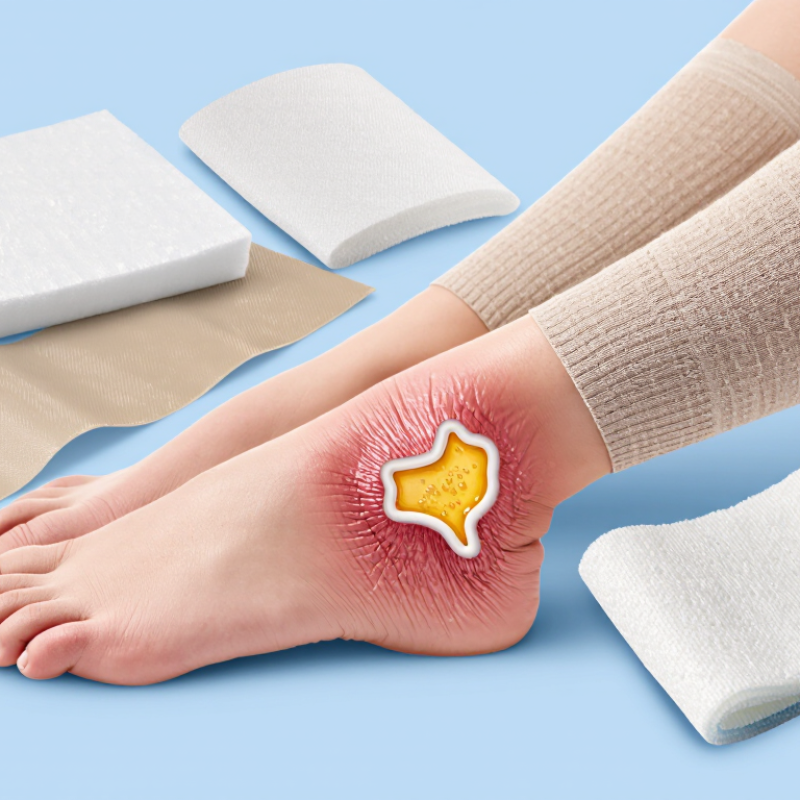
Venous ulcer dressings support healing by controlling fluid, protecting fragile tissue, and reducing damage to the surrounding skin. They work alongside compression, when clinically appropriate, rather than replacing it. A clinician should assess circulation before compression begins. Safety matters.
The Cochrane review by Norman and colleagues, published in 2018, included 78 studies and 7,014 participants. It found that evidence comparing dressings was generally low certainty, with no reliable proof that one dressing type consistently heals venous ulcers faster. That uncertainty is worth remembering. In practice, a dressing should match the wound: an absorbent foam or alginate may help manage heavier drainage, while a non-adherent contact layer can reduce trauma during removal. A skin barrier may protect the damp, easily irritated edges. Comfort matters, too.
Look for practical signs between visits. Fluid leaking through the dressing, soggy wound edges, or increasing discomfort may mean the plan needs review. A dressing that looks neat is not automatically effective. Changes in redness, warmth, swelling, odor, or pain should be assessed by a healthcare professional, especially if they worsen. Evidence source: Norman et al., Cochrane Database of Systematic Reviews, 2018, CD012583.
Top Dressing Types for Venous Ulcers
Relative suitability by wound exudate level
Ratings are a general-use guide, not a validated clinical score: 0 = usually not preferred, 1 = may suit selected cases, 2 = often suitable, and 3 = commonly suitable. Foam, alginate, and hydrofiber dressings can help manage moderate-to-heavy exudate; hydrocolloids are generally used for lower exudate. A non-adherent contact layer protects the wound but usually needs a separate absorbent layer. Compression is central to venous ulcer care; dressing choice should be guided by a clinician.
Factors That Guide Dressing Selection
Dressing choice starts with the wound, not a preferred product. Measure its length and width, note depth, and estimate how quickly fluid pools. A heavily exuding ulcer may need an absorbent dressing, while a drier wound may benefit from moisture-retaining contact layers. Protect fragile skin around the wound; adhesive removal can cause new tears. Pain, odor, allergies, mobility, and how often a dressing can be changed matter too. Small details count.
Compression is central to venous-ulcer care, but arterial circulation must be assessed before it is applied. The 2022 European Society for Vascular Surgery guidelines address compression within chronic venous disease management. Dressing choice should fit beneath the compression system without bunching or restricting movement. Evidence also urges caution: a 2018 Cochrane review examined 78 trials involving 7,014 people and found low-certainty evidence for differences between many dressing types. So a more expensive or elaborate dressing is not automatically better. Reassess when drainage, pain, wound size, or surrounding skin changes. Practice can be messy; a dressing that works well on paper may still irritate one person’s skin.
What Are the Top Types of Dressings for Venous Ulcers? - Factors That Guide Dressing Selection
| Dressing type | Commonly suited to | Key selection factors | Practical considerations |
| Non-adherent contact layer | Wounds where protecting the wound surface and reducing dressing adherence are priorities. | Wound-bed sensitivity, pain during dressing changes, and the need for a secondary absorbent dressing. | Usually provides little absorption on its own; pair with an appropriate secondary dressing when drainage is present. |
| Foam dressing | Wounds with low-to-moderate or moderate exudate, depending on the product. | Amount of drainage, wound depth, surrounding-skin condition, and compatibility with compression. | Can provide cushioning and absorb exudate. Change frequency depends on drainage and the dressing’s capacity. |
| Alginate dressing | Moderately to heavily exuding wounds. | Exudate level and whether the wound can keep the dressing moist enough to form a gel. | Generally unsuitable for dry wounds. A secondary dressing is usually needed; avoid overfilling wound cavities. |
| Hydrofiber dressing | Exuding wounds where absorption and containment of wound fluid are needed. | Drainage volume, wound shape, and the need to protect surrounding skin from excess moisture. | Often gels on contact with exudate. Follow product instructions for use in deeper wounds and for removal. |
| Hydrocolloid dressing | Selected shallow wounds with low-to-moderate exudate. | Exudate level, surrounding-skin condition, wound depth, and ability to monitor the wound. | May not be appropriate for heavily exuding wounds or wounds requiring frequent inspection. Reassess if the wound worsens. |
| Superabsorbent dressing | Heavily exuding wounds or wounds with persistent leakage through standard absorbent dressings. | High drainage volume, leakage, and risk of moisture-related damage to surrounding skin. | Check capacity and fit beneath compression. Protect fragile surrounding skin as needed. |
| Antimicrobial dressing | Selected wounds with clinical concern about local infection or increased microbial burden, following clinical assessment. | Signs of infection, treatment goals, patient sensitivities, and the need for a defined review period. | Use under clinician guidance and reassess regularly. A dressing does not replace assessment or other indicated infection management. |
Selection note: Choose a dressing based on exudate, wound depth and condition, surrounding-skin health, comfort, and change frequency. No single dressing type is best for every venous ulcer; available evidence does not establish one dressing class as consistently superior for healing when appropriate compression is used. Compression is a central part of venous-ulcer care when appropriate, but arterial circulation should be assessed and compression selected by a qualified clinician.
Common Types of Dressings for Venous Ulcers
Common Types of Dressings for Venous Ulcers
Venous ulcers often produce fluid, so dressing choice should match wound drainage and surrounding skin. A simple non-adherent contact layer can protect a fragile wound bed during changes. Foam dressings absorb moderate to heavy exudate; alginate or gelling-fiber dressings may suit wetter wounds. Hydrocolloids can help manage lighter drainage, while hydrogels add moisture to dry tissue. Small details matter.
A Cochrane review of 78 studies involving 7,014 people found low-certainty evidence and no clear best dressing type when compression was used. This is a useful reality check: dressings support wound care, but compression, when clinically appropriate, addresses venous pressure. Antimicrobial dressings, including silver-containing options, may be considered for specific clinical concerns, not used automatically.
Clinicians typically assess drainage, pain, wound depth, skin condition, and sensitivity before selecting a dressing. A saturated pad can leak and irritate nearby skin; an overly occlusive one may be uncomfortable. Check the wound during changes, and reassess if drainage, odor, redness, or pain increases. The right choice can change as healing progresses. Evidence is imperfect, and no dressing suits every ulcer.
How Dressings Work With Compression Therapy
What Are the Top Types of Dressings for Venous Ulcers?
How Dressings Work With Compression Therapy
For venous ulcers, dressings manage the wound surface; compression addresses the pressure driving poor blood return. After a clinician checks circulation, compression can help reduce swelling and support healing. Fit matters. A dressing should handle drainage without leaving the surrounding skin soggy. Foam or alginate may suit a heavily draining wound, while a simple non-adherent contact layer can protect a cleaner, less exudative area. The wound changes, so the choice may need to change too.
Evidence supports prioritizing compression over searching for a “best” dressing. A 2021 Cochrane review included 14 trials and 1,391 participants; compression probably shortened time to healing compared with no compression (hazard ratio 2.17, 95% CI 1.52–3.10). The review also found a greater chance of healing within 12 months. Dressings still matter for comfort, drainage control, and protecting fragile skin beneath bandages.
But dressing rankings are uncertain. A 2018 Cochrane review found no reliable evidence that one dressing type consistently heals venous ulcers faster when used with compression. That can feel unsatisfying at the bedside. A practical plan is to choose a dressing that suits the wound’s drainage, change it when saturated, and check for leakage, pain, or skin irritation. Compression must also be applied and monitored by a trained professional; a tight, painful bandage is not a sign of progress.
Dressing Changes and Ongoing Wound Assessment
With venous ulcers, dressing choice matters, but repeatable assessment matters more. At each change, record wound length, width, depth, tissue, drainage, odor, pain, and surrounding skin. Note whether the edge is advancing or staying pale and soggy. A Cochrane review of 78 trials involving 7,014 people found no clear evidence that one dressing type heals ulcers better than another when compression is used. Choose dressings according to drainage, comfort, and skin condition—not habit. The evidence has limits, though; it cannot settle every bedside decision.
Tips: Take a photo from the same position with a ruler, if consent and local policy allow. Watch for new warmth, spreading redness, fever, or escalating pain, and seek prompt clinical review. Confirm adequate arterial blood flow before compression. Small details matter.
Change frequency should match drainage and the prescribed compression plan. A saturated pad needs attention sooner than a dry, intact one. At every visit, compare measurements and ask about pain, mobility, and ability to follow the care plan. If the ulcer has not decreased in size after about four weeks of appropriate care, review the diagnosis, circulation, infection signs, and compression with a wound-care clinician. A clean dressing is not proof of progress.