What Is a Brick Kiln Oven?
What Is a Brick Kiln Oven? The answer begins with heat, clay, and careful control. A Brick Kiln Oven is a chamber built mainly from heat-resistant bricks. It fires clay bricks, pottery, tiles, or other ceramic materials. Inside, fuel burns or electric elements create intense heat. The walls hold that heat and spread it gradually.
The term is not perfectly standardized. Some people mean a traditional field kiln. Others describe a permanent industrial furnace. Designs may include updraft, downdraft, tunnel, or clamp kilns. Each design changes airflow, fuel use, loading methods, and firing results. A small traditional kiln may show blackened bricks, ash deposits, and uneven color after one firing. That unevenness can reveal problems with ventilation or temperature control.
Michael Cardew, a respected British potter and kiln authority, offered a useful perspective: “The kiln is the heart of the pottery.” His statement highlights the kiln’s central role in quality and production. A properly managed Brick Kiln Oven must reach the required temperature without creating dangerous pressure or unstable heat. Operators inspect brick joints, dampers, burners, insulation, and exhaust routes. They also record firing temperatures and cooling times.
Still, kiln work is rarely perfect. Weather, fuel quality, moisture, and loading patterns can change the final result. Small mistakes may produce cracked bricks or patchy surfaces. Understanding those variables makes the subject practical, not merely technical. This guide explains how Brick Kiln Oven designs work, where they are used, and what responsible operation requires.
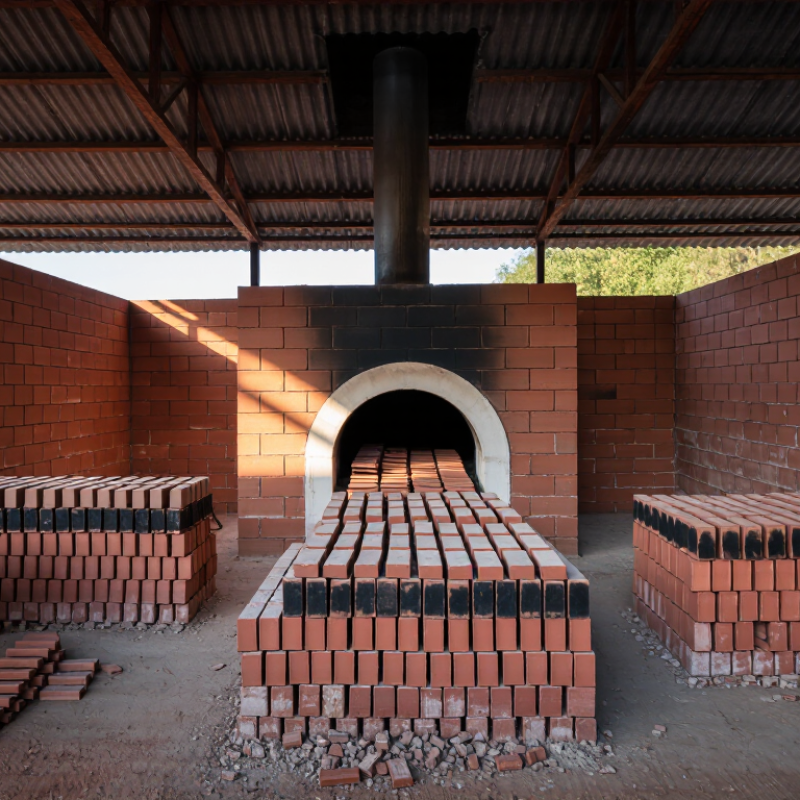
Definition and Core Function of a Brick Kiln Oven
A brick kiln oven is an insulated chamber that heats shaped clay until it becomes strong, durable masonry. Its core function is controlled firing: heat drives out moisture, changes the clay’s minerals, and bonds particles into a hard ceramic body. The kiln also helps manage airflow and temperature, reducing uneven color, weak spots, and cracking. It is not simply a hot box. The firing schedule matters.
The U.S. Environmental Protection Agency’s AP-42 report on brick and structural clay products describes kiln firing at roughly 1,000–1,200°C, though the needed temperature varies with clay composition and product design. In practice, operators monitor temperature, time, and kiln atmosphere across the load. A pale brick near the door and a darker one deeper inside can reveal uneven heating. That difference is easy to overlook. The EPA report is a technical reference, not a guarantee that every kiln uses the same cycle; actual settings depend on materials and equipment.
Tips: Let bricks dry evenly before firing, and avoid rushing the heat-up stage. Check several locations in the kiln, not just one sensor. Keep a firing log. Small records often expose patterns that memory misses. Even careful control has limits: clay batches vary, and a successful cycle may still need adjustment.
Main Components and Structural Design
What Is a Brick Kiln Oven?
Main Components and Structural Design
A brick kiln oven is a heat-resistant chamber designed to fire clay products evenly. Its structure controls heat, airflow, and moisture removal. The main body usually includes a thick brick shell, an insulated inner lining, a sealed door, and a chimney. Each component must work together.
The foundation carries the kiln’s weight and limits movement during heating. A level base is essential. The firing chamber often uses an arched roof because the curve distributes pressure better than a flat ceiling. Fire-resistant bricks line the hottest surfaces, while insulation reduces heat loss through the outer walls. Small gaps matter. They allow controlled thermal expansion and help prevent cracking.
Air enters through lower vents and moves across the chamber before leaving through the chimney. This path should avoid cold pockets near the floor. In practical inspections, uneven airflow often causes pale bricks, dark patches, or inconsistent strength. The chimney height and opening size require careful adjustment. Too much draft wastes fuel, while too little draft produces smoke and weak firing. Structural design is never perfectly universal; local clay, weather, and loading patterns can change the result.
Tips: Keep the floor clean and level before loading. Leave narrow spaces between brick stacks for airflow. Inspect arches, doors, and vents after each firing. A small crack may seem harmless, but repeated heating can enlarge it. Record firing time and temperature, even when the results look acceptable.
How a Brick Kiln Oven Works Step by Step
What Is a Brick Kiln Oven?
How a Brick Kiln Oven Works Step by Step
A brick kiln oven transforms soft, molded clay into hard masonry through controlled heat. The process begins with drying. Green bricks rest in open air until their moisture falls enough to prevent cracking. Workers then stack them with narrow flues between rows. These channels guide hot gases through the load.
A small fire starts below the stack. Heat rises gradually, removing remaining water. The firing zone then moves through the kiln, usually reaching 900–1,100°C. At this stage, clay minerals change permanently. The bricks become dense, red, and strong. TERI field assessments in India report about 1.1–1.5 MJ of energy per kilogram for improved kiln operation. Older designs often consume more. That difference matters.
Cooling takes patience. Fast cooling can produce fractures, pale cores, or uneven color. After cooling, workers unload the bricks and check their sound, shape, and surface. A clear ringing sound often suggests good firing, but it is not a laboratory test.
Tips: Keep flues consistent, and measure temperature at several points. Uneven stacking creates cold pockets. UNEP and CCAC assessments identify brick kilns as important sources of particulate pollution and black carbon in parts of Asia. Cleaner fuels may help, but airflow control remains essential. No firing curve is perfect. Local clay still changes the result.
Common Types and Their Distinctive Features
What Is a Brick Kiln Oven?
Common Types and Their Distinctive Features
A brick kiln oven is more accurately called a brick kiln. It heats shaped clay until minerals fuse and create strength. Kiln design controls temperature, airflow, fuel use, and firing consistency. The common types differ sharply in structure and operating skill.
Clamp kilns are temporary stacks of bricks with fuel placed between layers. They need little construction, but heat spreads unevenly. Bull’s Trench Kilns use an oval firing trench and a moving chimney. Their continuous layout supports higher output, although smoke control can remain difficult. Zigzag kilns guide hot gases through angled channels. The World Bank’s Bangladesh brick-sector assessment reported about 20–30% lower coal use after improved zigzag conversion, compared with traditional fixed-chimney kilns.
Vertical Shaft Brick Kilns move bricks downward while hot air rises. This compact design can reduce fuel demand, but loading accuracy matters. Tunnel kilns move brick cars through separate preheating, firing, and cooling zones. They offer precise control and consistent quality, yet require greater capital and technical maintenance. A 2015 assessment by the Climate and Clean Air Coalition linked improved kiln operation with lower black-carbon emissions and better fuel efficiency. Results still vary.
In practice, local clay, moisture, labor skills, and electricity often decide the best option. No design is perfect. Even an efficient kiln can waste energy when bricks are overloaded, poorly dried, or unevenly stacked.
Typical Uses, Benefits, and Maintenance Needs
A brick kiln oven is a heat-resistant chamber built from brick, mortar, and insulation. It stores heat in its dense walls and releases it gradually. Common uses include baking bread, roasting food, firing pottery, and heating small production batches. Food ovens usually have a low arch, a cooking floor, and a separate flue. Pottery kilns require different temperatures and controls.
Thermal storage can improve cooking consistency after the fire settles. However, it does not automatically reduce fuel use. The 2024 UNEP Global Status Report for Buildings and Construction states that buildings and construction consumed 32% of global energy in 2022. Small efficiency gains still matter. A well-insulated oven needs less repeated firing, especially when the door seals properly. That assumption is convenient, but incomplete. Poorly dried wood, wet bricks, and an oversized chamber can waste energy quickly.
Maintenance begins with inspection, not aggressive cleaning. Remove ash after cooling, then check the floor for loose bricks and deep cracks. Small surface cracks may be harmless, but widening gaps need skilled repair. Keep rain away from the chimney and outer shell. Moisture can weaken mortar and cause repeated thermal damage. Commercial food installations should follow local ventilation rules and NFPA 96 requirements. Fuel quality also matters. Painted, treated, or unknown materials should never enter the firebox. More heat is not always better. Slow curing, measured firing, and written temperature records often reveal problems earlier than appearance alone.