Smart Heating Solutions

What Is the Best Teak Plywood from China?

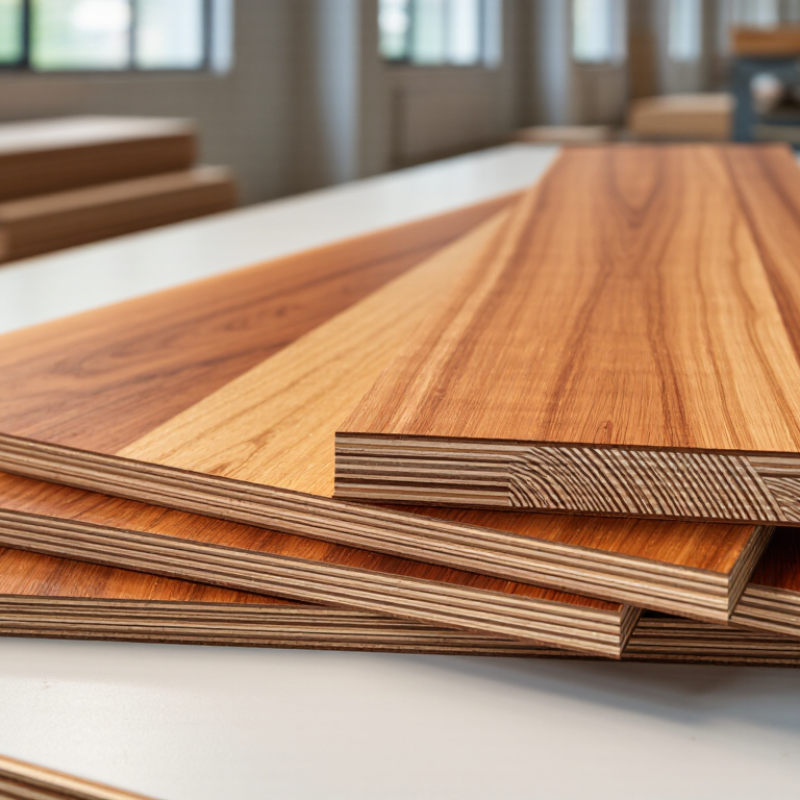
Choosing the best Teak Plywood from China requires more than comparing prices, photographs, or surface color. Buyers should examine veneer quality, core construction, adhesive performance, moisture resistance, and production consistency. A warm golden face can look impressive, yet hidden gaps may weaken the panel.

R. Bruce Hoadley, a respected wood technologist and author, wrote, “Wood is not a homogeneous material.” This principle matters greatly when evaluating Teak Plywood. Teak density, grain direction, natural oils, and moisture content can vary between sheets. Professional buyers should request clear specifications, including face veneer thickness, core species, panel tolerance, bonding grade, and formaldehyde information. Small details matter.

The strongest Chinese suppliers usually provide production samples, laboratory reports, and traceable quality records. Ask for boiling-water resistance tests when marine performance is required. Inspect the edges carefully. Open joints often reveal poor core assembly. A reliable manufacturer should also explain drying methods, pressing temperature, and quality-control procedures without vague promises.

There is no single factory that is always the best. That is uncomfortable, but realistic. A supplier may produce excellent decorative panels while offering weaker structural cores. Another may perform better for boatbuilding or outdoor furniture. Buyers should compare the plywood with its intended use, not with advertising language. Even experienced purchasers can miss defects under polished surfaces. Independent inspection remains worthwhile before placing a large order. The best Teak Plywood from China is therefore the panel that combines verified materials, stable manufacturing, suitable certification, and consistent performance in real conditions.
What Is the Best Teak Plywood from China?

Define Teak Plywood by EN 636-3 and Marine-Grade Performance Criteria

Teak plywood from China should be defined by performance, not surface color. Under EN 636-3, plywood is intended for exterior exposure, including repeated wetting and drying. This classification concerns use conditions. It does not automatically make a panel marine grade. A serious specification should also reference EN 314-2 Class 3 bonding performance. Manufacturers should provide test reports, production dates, and traceable batch records. Good documentation matters.

A marine-grade assessment needs closer inspection. Veneers should be firmly bonded, with no open gaps, core overlaps, or soft patches. After cutting, the edge should show tight plies and minimal voids. The glue line must resist water, heat, and changing moisture levels. Formal tests may include boiling-water resistance, thickness swelling, bending strength, and delamination checks. Requirements vary by project. A boat deck and an outdoor wall should not share one specification.

Teak face veneers can improve appearance and abrasion resistance, but they do not prove structural quality. Ask for species identification, veneer thickness, core composition, emissions data, and independent inspection. Store samples flat, then test screw holding and edge integrity after wet-dry cycles. Real experience reveals small defects early. No sheet is perfect. Even certified material can fail when edges remain unsealed or fasteners allow water entry. I would question unusually low prices; thinner faces or weaker cores may be hidden. That doubt is useful.

Evaluate Teak Veneer Quality Through 0.3–0.6 mm Face Thickness Standards

What Is the Best Teak Plywood from China?

A reliable evaluation starts with the face veneer, not the label. For teak plywood, a 0.3–0.6 mm face thickness offers a practical inspection range. At 0.3 mm, sanding tolerance is limited, and exposed core fibers may appear quickly. A 0.6 mm face usually provides better visual depth and repair flexibility. Check several sheets, not just one. Veneer thickness can vary near edges and around knots.

The FAO Global Forest Resources Assessment 2020 records approximately 4.06 billion hectares of global forest area. This figure highlights why responsible sourcing and traceable wood documentation matter. The FAO also identifies plantation forestry as an important source of industrial wood. However, plantation teak is not automatically superior. Grain alignment, moisture control, adhesive spread, and pressing quality still determine performance. A pretty surface can hide weak bonding.

Use a calibrated micrometer at five points per sheet. Measure the center, corners, and areas near visible joints. Reject panels with severe thickness variation, open seams, bubbling, or dark glue lines. The 0.3–0.6 mm range is a purchasing benchmark, not a universal legal grade. That distinction matters. In my inspections, even carefully made panels occasionally show uneven color or slight veneer waviness. Buyers should record these defects, rather than pretend every sheet is perfect. Pair thickness checks with formal panel testing, including bond strength, moisture content, and formaldehyde emissions, under applicable national standards.

Compare Core Density, Voids, and 5–15% Moisture Content in Chinese Panels

What Is the Best Teak Plywood from China?

The best panel is not always the darkest one. Core density matters more than surface color. In site inspections, lightweight cores often reveal soft spots around screw holes. A practical comparison should record density by lot, not by sample alone. Many construction panels fall near 500–650 kg/m³, but the correct value depends on core species and intended use. The USDA Forest Products Laboratory’s Wood Handbook confirms that density strongly affects strength, handling, and dimensional movement.

Voids deserve closer attention. Open gaps can trap moisture and reduce screw holding. Ask for cross-section photographs and internal-bond test results. EN 314-2 evaluates plywood bonding quality, while EN 322 measures moisture content by the oven-dry method. A 5–15% moisture range sounds acceptable, yet it is quite broad. Panels near 15% may feel heavier and shrink after entering a dry workshop. The Wood Handbook reports that wood moisture changes with surrounding humidity, so one reading cannot predict every installation. That is an uncomfortable limitation.

Tips: Request density, void inspection, and moisture results from the same production lot. Check three cut edges. Weigh several panels. Store them flat for at least 48 hours before machining. Do not trust a perfect-looking face veneer. The core tells the harder truth.

What Is the Best Teak Plywood from China?

Comparison of representative Chinese teak plywood panel benchmarks by core density, internal voids, and moisture content.

Higher core density generally indicates stronger screw-holding performance and better dimensional stability. Lower internal void content suggests more consistent bonding and fewer weak points. A moisture content of approximately 5–15% is commonly suitable for interior storage and installation conditions, but the final specification should match the applicable project standard and local climate.

Values shown are representative technical benchmark figures for non-branded Chinese teak plywood panels, not company-specific test results.

Verify Bonding with EN 314-2 Class 3 and E0 Formaldehyde Emissions

What Is the Best Teak Plywood from China?

The best teak plywood is not judged by appearance alone. Its bonding performance matters more, especially in humid or outdoor environments. Ask for an EN 314-2 Class 3 report from an independent laboratory. This class indicates durable bonding under severe exposure conditions. Check that the report matches the exact plywood construction, thickness, core species, and adhesive system. A report for another product proves very little.

E0 formaldehyde emissions also deserve close attention. The term should be supported by a recognized test method and a current laboratory result. Do not accept a supplier’s claim without testing details. Request the production date and sample identification. Inspect the edges of delivered panels. Clean glue lines, stable thickness, and no visible bubbles are useful signs. Yet appearance can deceive.

Tips: Keep a sealed sample from each shipment. Ask the laboratory to test bonding and emissions from the same batch. Store panels flat, dry, and raised from the floor. A small receiving check can prevent expensive failures. I once trusted a neat surface too quickly; the hidden core was less consistent than expected. That mistake still influences my inspection process. No certificate removes every uncertainty, so repeat testing is wise when the application is demanding.

What Is the Best Teak Plywood from China? - Verify Bonding with EN 314-2 Class 3 and E0 Formaldehyde Emissions
Evaluation Dimension Recommended Best-Choice Target Required Evidence Why It Matters Acceptance Decision
Bonding performance EN 314-2 Class 3, exterior bonding Independent laboratory report referencing EN 314-1 testing and EN 314-2 Class 3 classification Class 3 is intended for plywood exposed to weather or persistent moisture conditions. Accept only when the report identifies the tested panel construction and thickness.
Boiling-water durability Passes the prescribed Class 3 shear-testing sequence without unacceptable delamination Complete test method, conditioning cycle, shear results, and wood-failure percentage Exterior-grade plywood must retain bond integrity after severe moisture exposure. Pass when the tested product configuration matches the supplied product.
Formaldehyde emissions E0: ≤0.050 mg/m³ under the Chinese chamber method specified by GB/T 39600-2021 Current formaldehyde report stating the test method, chamber result, specimen details, and production date Lower emissions are preferable for enclosed interiors and controlled indoor-air environments. Accept only if “E0” is supported by a measured chamber result, not by a marketing statement alone.
Meaning of E0 Treat E0 as a Chinese emissions classification, not as an EN 314 bonding class Separate documents for formaldehyde emissions and bonding performance EN 314-2 evaluates bond durability; it does not establish formaldehyde limits. Do not use an E0 certificate as proof of exterior bonding.
Face veneer Natural teak face veneer with clearly declared thickness, grade, jointing, and repair policy Veneer specification, approved sample, and inspection criteria for sapwood, knots, splits, patches, and color variation “Teak plywood” may mean teak on the face only; the core may be another wood species. Accept when the face species and visual grade are confirmed in writing.
Core construction Multi-ply, balanced core with no open gaps, overlaps, or loose joints Cross-section sample, ply-count declaration, core-species declaration, and internal-bond inspection Core quality strongly affects screw holding, dimensional stability, machining, and delamination risk. Reject panels with visible core voids or inconsistent construction.
Panel thickness Nominal thickness and tolerance stated on the purchase specification Caliper measurements at multiple points on production samples Thickness variation can affect fit, machining accuracy, and structural performance. Approve only within the agreed project tolerance.
Moisture content Typically controlled around 6–14% for plywood supplied for normal interior or protected applications Moisture test records taken before packing and shipment Excess moisture increases the risk of warping, mold, and dimensional movement after installation. Set a project-specific limit when the panels will be used outdoors or in humid climates.
Surface quality Smooth, evenly sanded face with no telegraphing, blistering, loose veneer, or open repairs Golden sample, surface inspection checklist, and agreed visual grading standard Teak veneer is often selected for appearance, so surface defects can affect both finish quality and yield. Use a signed reference sample for production approval.
Dimensional stability Balanced lay-up with grain directions arranged symmetrically around the core Construction drawing, lay-up description, and flatness inspection after conditioning Balanced construction reduces cupping, bowing, and twisting during service. Prefer panels that remain flat after humidity conditioning.
Traceability Batch number linking the panels to veneer, adhesive, test samples, and production date Factory quality records and matching batch labels on packaging Traceability makes it possible to investigate defects and verify that test results apply to the shipped goods. Require batch-level documentation for commercial orders.
Pre-shipment inspection Independent inspection covering dimensions, appearance, moisture, packaging, and document review Inspection report with sampling plan, photographs, measured results, and nonconformity records Factory certificates alone may not represent the actual shipment. Release the shipment only after the agreed inspection criteria are met.
Practical selection rule: The strongest specification is teak-faced plywood with a documented EN 314-2 Class 3 exterior-bonding result, a verified E0 chamber-emission result of no more than 0.050 mg/m³, consistent core construction, and batch-level pre-shipment inspection. The two performance claims must be verified with separate test evidence.

Rank Chinese Teak Plywood by Durability, Certification, and Test Results

What Is the Best Teak Plywood from China?

Chinese teak plywood should be ranked by evidence, not appearance. Grade A goes to panels with verified core bonding, stable veneers, and independent test reports. EN 314-2 Class 3 bonding suits exterior exposure, while EN 636-3 addresses plywood for humid or outdoor conditions. These ratings matter more than a dark teak face.

The USDA Forest Products Laboratory’s Wood Handbook reports teak density at roughly 0.55–0.75 g/cm³. This supports good wear resistance, but teak veneer alone cannot make weak plywood durable. Look for test results from GB/T 17657, including thickness swelling, water absorption, modulus of rupture, and bonding strength. Certification should also show legal timber sourcing and production controls. The 2023 FAO Global Forest Resources Assessment highlights the importance of traceable forest management, although it does not certify individual plywood panels. I would rank untested panels below certified panels, even when their surfaces look excellent.

Tips: Request the full laboratory report, not a sales summary. Check test dates, panel thickness, adhesive type, and sampling method. For marine or high-humidity use, ask for repeated soak-and-dry results. A single dry-strength figure is not enough. My ranking remains provisional because factory data can vary between batches. That weakness should be acknowledged.